


‘One extra unit, six months of punishment: stop unfair power and gas bill system, please’
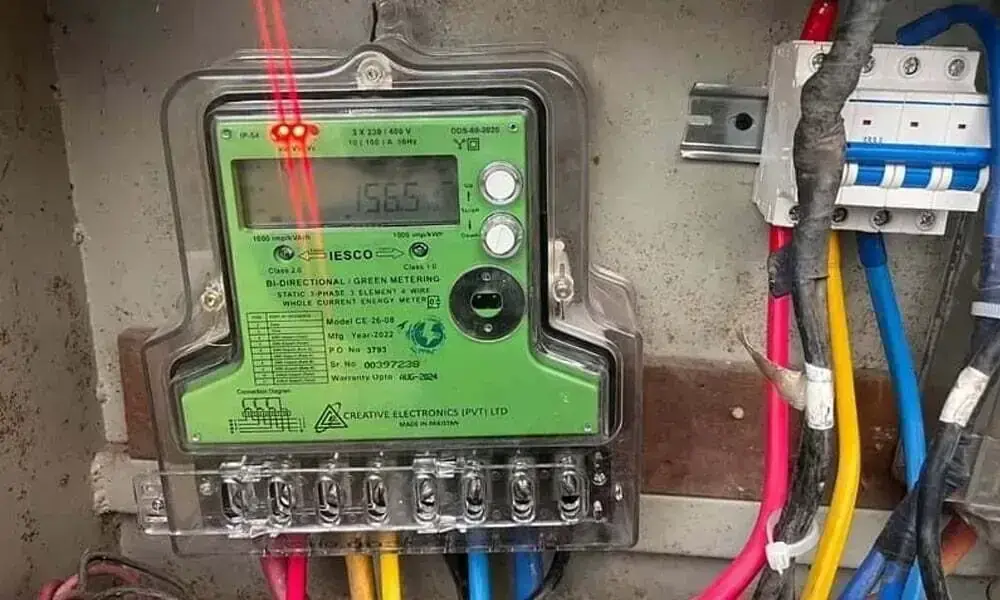
This is apropos a letter to the Editor from this writer titled ‘One extra unit, six months of punishment: stop unfair power and gas bill system, please’ carried by the newspaper in recent days.
For example, if a household consumes 201 units in April but only 150 units in May, its tariff category should reflect its May consumption rather than penalising it for an isolated increase in April.
This approach would eliminate the prolonged financial consequences of a temporary rise in consumption and make the billing system more responsive to changing household circumstances.
- Introduce a three-month review mechanism
If the authorities consider monthly reassessment administratively difficult, an alternative would be to introduce a three-month review period instead of the existing six-month restriction.
Under this proposal, a household exceeding the prescribed consumption limit could be monitored over the next three months. Its subsequent eligibility would be determined by its consumption during that period, rather than automatically imposing a prolonged penalty.
Such a mechanism would provide a middle ground between the government’s objective of targeting subsidies and consumers’ need for predictable and affordable utility bills.
However, the precise eligibility rules would need to be carefully designed to ensure that temporary increases in consumption do not disproportionately disadvantage low-income households.
Zahid Rajput, Karachi
Copyright Business Recorder, 2026



















Comments