


PM Shehbaz condemns Houthi attacks on Saudi Arabia in call with crown prince
- Reaffirms Pakistan’s solidarity with Saudi Arabia as brotherly countries vow to remain in close contact amid regional tensions
PM Shehbaz Sharif condemned Houthi attacks on Saudi Arabia in a call with Crown Prince Mohammed bin Salman, expressing solidarity and discussing regional peace efforts.
- Pakistan's condemnation of Houthi attacks on Saudi infrastructure.
- Threats to regional peace and global energy supplies.
- Pakistan's commitment to defusing regional tensions.
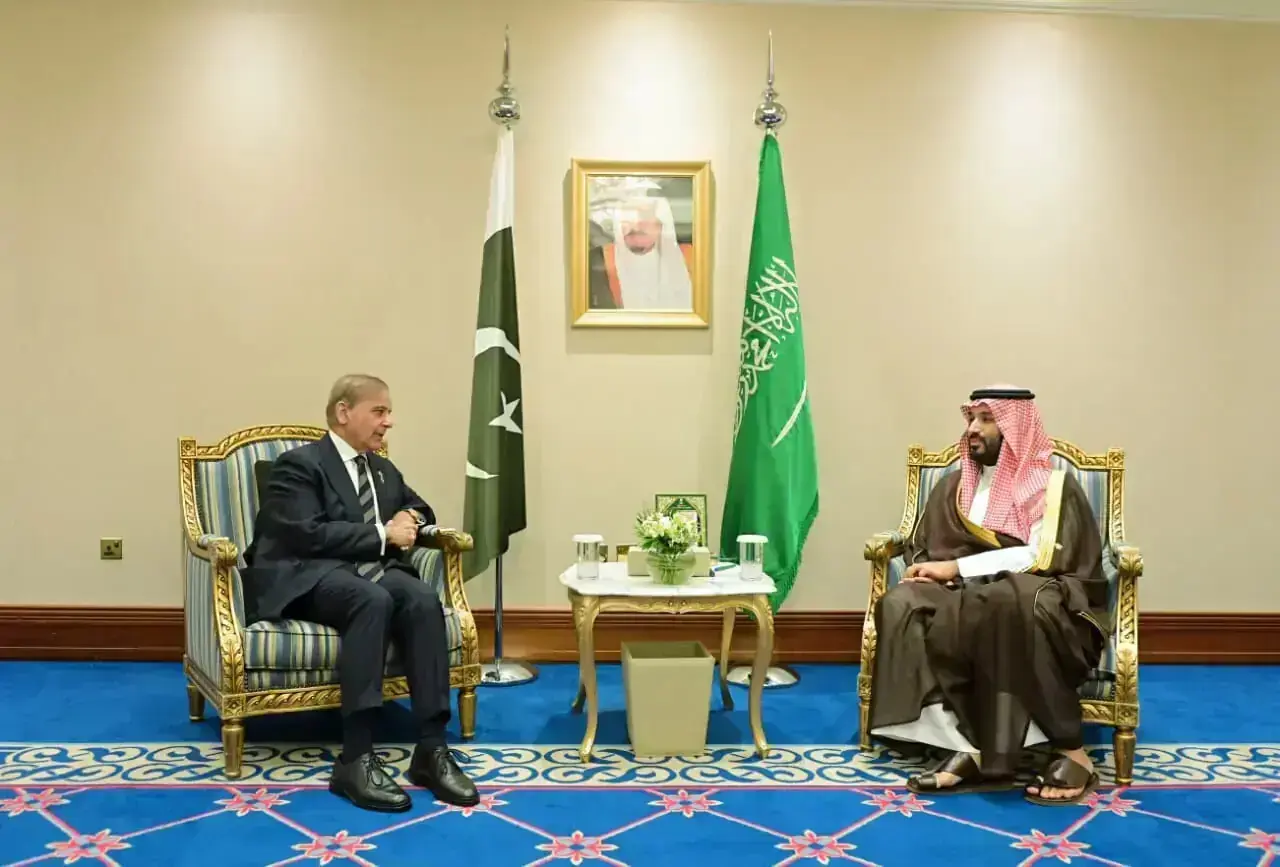
Prime Minister Muhammad Shehbaz Sharif on Sunday held a telephone conversation with Saudi Crown Prince and Prime Minister Mohammed bin Salman, during which he strongly condemned the recent Houthi attacks on Saudi Arabia’s civilian and economic infrastructure, the PM Office said.
The prime minister expressed Pakistan’s complete solidarity with the Saudi leadership and people, saying the Houthi actions threatened regional peace and security and could further disrupt the global economy and energy supplies.
PM Shehbaz said he, Chief of Defence Forces and Field Marshal Syed Asim Munir and Deputy Prime Minister Mohammad Ishaq Dar would continue efforts to help defuse tensions and promote peace in the region. He also praised the Saudi crown prince for his “wise and sagacious leadership” throughout the crisis.
The prime minister conveyed his warm wishes and respectful regards to Saudi King Salman bin Abdulaziz Al Saud. Crown Prince Mohammed bin Salman, in turn, appreciated Pakistan’s steadfast support for Saudi Arabia and its efforts for regional peace and stability.
The two leaders agreed to remain in close contact and expressed their desire to meet at an early date.
The development comes days after Yemen’s Houthis attacked energy facilities and cities in US ally Saudi Arabia, wounding more than 70 people and underscoring the risk of the Iran conflict escalating into a wider regional war.
The six-month-old conflict in Iran has been marked by a cycle of pauses followed by periodic flare-ups since the US and Israel launched unprovoked attacks on February 28 on Iran, claiming that they wanted to end Tehran’s nuclear programme.
The Houthi attacks on Tuesday had come after Iran had warned that energy infrastructure across the Gulf, including US oil and gas interests, was vulnerable in the wake of a tit-for-tat exchange of attacks on ships in and around the Gulf last weekend.
The attacks had sent oil prices climbing to more than six-week highs.
Fires had erupted at some energy facilities and several people were injured as firefighting and other emergency teams rushed to the scenes to contain the blazes, the Saudi energy ministry had said.
For much of the past year, Pakistan has played a dual role as Riyadh’s defence partner and Washington’s backchannel to Tehran but the fresh fighting between Yemen’s Houthi movement and Saudi forces is increasingly testing how long Islamabad can hold both positions at once.
The fighting represents the first major test of the mutual defence alliance that was signed between Pakistan, Saudi Arabia and Turkiye last month, adding to a pre-existing pact between Islamabad and Riyadh. Under the arrangement, an armed attack on any one of the three countries is to be regarded as an attack on all.
Pakistani officials worry the Houthi threat is more likely to draw Islamabad into a war than Iranian missile strikes on Saudi energy infrastructure were earlier this year. Pakistani soldiers are deployed near the Saudi border with Yemen, two Pakistani officials told Reuters in July, increasing their direct exposure.
Defence deals with Gulf nations have been a key part of Pakistan’s plans to boost its fledgling economy after years of crisis, and have often been accompanied by parallel or subsequent talks about Gulf investments.
However, Pakistan also relies on oil and gas shipments through the Strait of Hormuz and the Red Sea — routes that Iran and the Houthis have shown they can disrupt — giving Islamabad reason to avoid alienating Tehran even as it deepens ties with the Gulf.




















Comments