


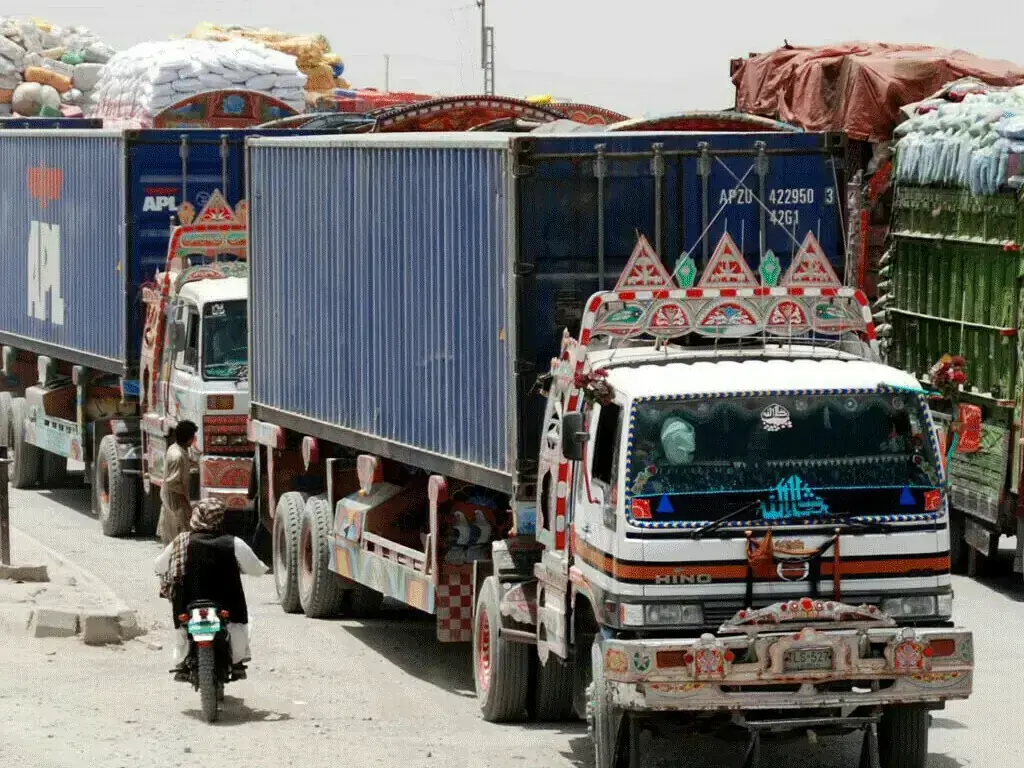
KARACHI: Exporters on Friday warned of massive losses, severe shortages of vessel space and an unprecedented rise in international sea freight cost following a nine-day nationwide goods transporters’ strike, and called for a permanent government mechanism to ensure uninterrupted movement of export cargo.
Chief Coordinator of All Pakistan Exporters Associations Muhammad Jawed Bilwani, who is also Patron-in-Chief of the Pakistan Hosiery Manufacturers & Exporters Association (PHMA), expressed grave concern over the situation, saying the prolonged disruption had brought the movement of export cargo virtually to a standstill.
The strike began on August 8 and disrupted the transportation of export containers from factories and warehouses to Karachi Port and Port Qasim.
Bilwani said the strike was deferred for 40 days on August 17 following negotiations and assurances from the federal and provincial governments. “The government cannot remain a silent spectator while exporters suffer massive losses and Pakistan loses valuable foreign exchange,” Bilwani said.
He said whenever a prolonged transport strike disrupted the movement of export cargo, containers missed scheduled vessels, shipping space was lost or reallocated to other countries, and exporters were forced to compete for limited vessel space at substantially higher freight rates.
During the disruption, containers remained stranded at factories and warehouses and failed to reach ports within scheduled terminal cut-off times. This resulted in vessel shut-outs, cancelled and rolled-over bookings, detention, demurrage and storage charges.
He said reported estimates put the economic losses from the disruption at approximately Rs50 billion per day. He estimated the cumulative loss over nine days at around Rs450 billion, equivalent to approximately USD1.62 billion at an exchange rate of Rs277.62 per dollar.
He warned that the actual losses could be substantially higher when lost export orders, increased freight charges and damage to international buyers’ confidence were taken into account.
Bilwani further said shipping lines had reportedly reduced available vessel space for Pakistan-origin cargo and reallocated capacity to other markets, resulting in an extraordinary increase in freight rates.
According to freight indications received by exporters, he said, sea freight to the US West Coast had increased from approximately USD1,800 to USD8,500 per container, a rise of approximately 372 percent. Freight to the US East Coast had increased from USD1,800 to USD8,000, an increase of approximately 344 percent.
Exporters also faced an additional increase of up to USD1,000 per container during Aug 14-15 under General Rate Increases (GRI), surcharges and other carrier-imposed adjustments. “These increases are simply unsustainable for Pakistani exporters,” Bilwani said, adding that exporters could not absorb freight increases of more than 300 percent without serious erosion of margins and loss of competitiveness. He said huge dollar remittances also went abroad during those two days as a result of the additional freight charges.
He said approximately 65 percent of Pakistan’s export shipments were made on FOB terms, while around 35 percent were undertaken on C&F/ CFR and other freight-inclusive terms, making Pakistani exporters directly responsible for international freight costs. However, he said even FOB shipments were seriously affected by vessel-space shortages, shipment delays and the risk of losing international buyers.
Bilwani said the latest crisis was not an isolated incident, as Pakistan had witnessed repeated nationwide goods transport strikes, wheel-jam actions and major supply-chain disruptions from 2022 to 2025 and again in 2026, causing substantial losses to trade, industry and exports.
He said that in 2025 alone, a four-day nationwide transport strike left 20,000 to 25,000 export containers unable to reach ports, while the rice export sector reported shipments worth more than USD20 million being affected. Later, during the 10-day nationwide transport strike in December 2025, the textile sector alone estimated losses of around USD500 million, he said.
Bilwani said these figures, together with losses from other sectors, showed that repeated disruptions to the movement of goods could cost Pakistan hundreds of billions of rupees and put valuable export earnings and foreign exchange at serious risk. He said previous nationwide disruptions had resulted in thousands of export containers being delayed, exporters facing demurrage and other logistics costs, and significant export earnings being placed at risk.
The latest nine-day disruption had once again demonstrated the scale of the economic consequences when the movement of goods and export cargo was brought to a halt, he added.
Bilwani said the prime minister was rightly focusing on increasing Pakistan’s exports and strengthening foreign exchange earnings, but questioned how sustainable export growth could be achieved when repeated transport disruptions continued to paralyze the movement of export cargo, causing exporters to miss vessels, lose shipping space and face massive increases in freight and logistics costs.
He said export targets could not be achieved merely through policy announcements and incentives. The government must also ensure a reliable, uninterrupted and internationally competitive export logistics system. He warned that the recurring situation seriously threatened Pakistan’s textile, value-added and other export-oriented sectors. Shipment delays could result in cancellation or reduction of orders, buyer claims, costly air freight, forced discounts, loss of future business and long-term damage to Pakistan’s reputation as a reliable sourcing destination.
Calling the situation a national export emergency, Bilwani urged the government to immediately engage with shipping lines to secure adequate vessel space for Pakistan-origin cargo, address extraordinary freight increases and provide relief from detention, demurrage and storage charges resulting directly from the disruption. He also urged the government to establish a permanent Export Cargo Continuity Mechanism to ensure uninterrupted movement of export cargo during future transport strikes or disputes, with alternative arrangements and coordination among transporters, exporters, port authorities and shipping lines to protect vessel bookings and prevent cargo from being stranded.
Copyright Business Recorder, 2026























Comments