


Private equity ecosystem: Govt has moved to unlock capital flows, says finance minister

ISLAMABAD: The government has moved to unlock greater domestic and foreign long-term capital by developing a National Private Equity Policy Framework to strengthen Pakistan’s private equity ecosystem, ease regulatory and tax hurdles, and create a pipeline of bankable investment opportunities.
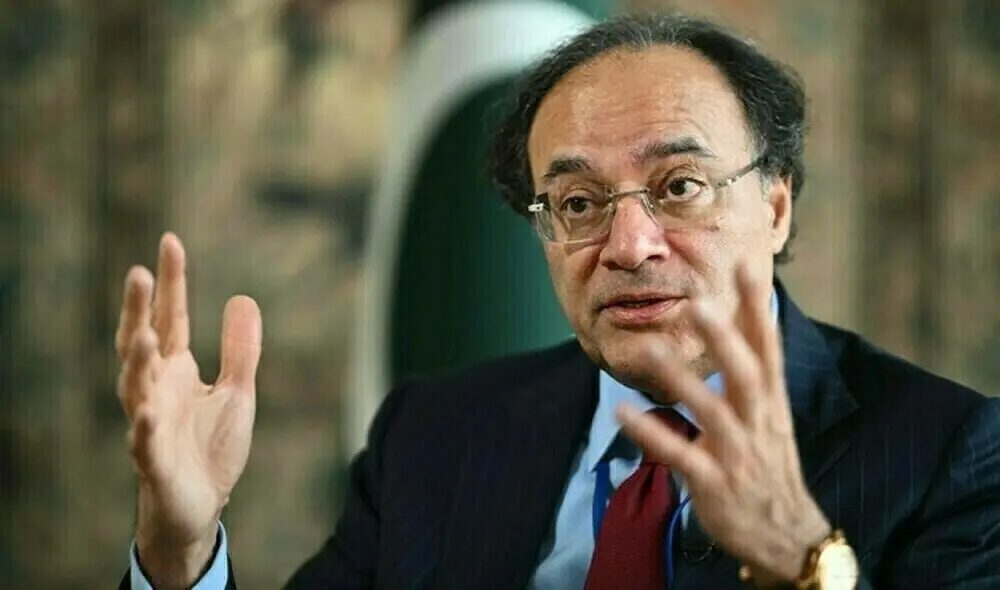
Federal Minister for Finance and Revenue, Muhammad Aurangzeb, chaired the first meeting of the committee constituted by the Prime Minister to develop a framework, aimed at strengthening Pakistan’s private equity ecosystem and facilitating greater mobilization of domestic and international long-term capital.
The meeting discussed the role of private equity in promoting long-term investment and capital formation for sustainable economic growth. The Committee highlighted the potential of private equity to channel growth capital towards emerging and priority sectors, support business expansion, create scale, enhance productivity and strengthen the competitiveness of Pakistani enterprises.
The Finance Minister emphasized that the framework be private-sector-led, with the Government focusing on creating an enabling environment, ensuring regulatory clarity with ease while addressing policy and taxation constraints that may hinder the flow of long-term capital. He underscored that the objective was not to provide direct government funding, but to facilitate greater participation of domestic and international investors.
The committee reviewed the existing private equity ecosystem and discussed measures to establish a supportive taxation and regulatory framework, including appropriate treatment of private equity funds as investment vehicles and greater flexibility to facilitate long-term investment and reinvestment of capital.
The meeting also discussed the role of institutional investors in mobilizing long-term capital through professionally managed private equity funds, while maintaining appropriate regulatory safeguards and alignment with international standards.
The committee highlighted the potential of private equity to support investment in priority and growth-oriented sectors, promote business expansion, create scale and enhance the competitiveness of Pakistani enterprises. The potential role of private equity in supporting mergers and acquisitions, restructuring, privatization and other long-term investment opportunities was also discussed.
The Finance Minister stressed the importance of developing a clear pipeline of bankable business plans and investable projects to provide greater visibility to investors and facilitate effective deployment of capital.
The Committee agreed to constitute four work streams to take forward its work and develop focused recommendations on taxation, regulatory framework, business strategy, and identification of bankable business plans. The Committee will consolidate its work into a National Private Equity Policy Framework and submit its recommendations for the consideration of the Prime Minister.
Aurangzeb emphasized the need for focused, practical, and actionable recommendations to unlock long-term capital, support private-sector investment, and contribute to sustainable and inclusive economic growth.
The meeting was attended by the Minister of State for Finance, Bilal Azhar Kayani; the Advisor to the Prime Minister for Industries and Production, Haroon Akhtar Khan; along with other members of the committee from relevant public and private sectors.
Copyright Business Recorder, 2026

















Comments