


Farmers left exposed as local buyers ignore PTB price and quota directives
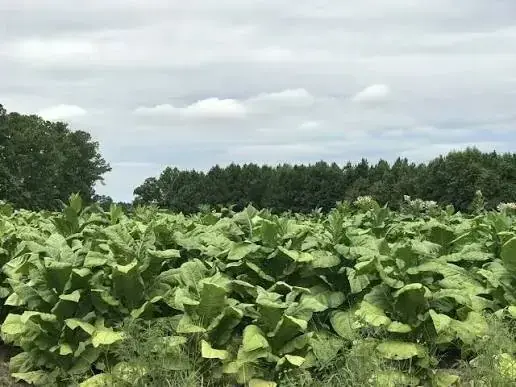

ISLAMABAD: Tobacco growers across the country are facing significant distress, as several of the buyers who publicly positioned themselves as defenders of the farmers ahead of the crop buying are the ones failing them.
Under the Pakistan Tobacco Board (PTB) Ordinance 1968, every buyer is required to publish its demand ahead of the season and lift the crop it has declared, at the price the PTB sets. Compliance so far has been uneven. Among the multinationals, Pakistan Tobacco Company (PTC) declared its demand as required and has been purchasing in line with the PTB-notified price, having purchased around 60 percent of its announced 17.6 Mn Kg quota in roughly a month of buying.
The contrast with the rest of the market is stark. Ahead of the season, a number of local companies and dealers came together under a newly formed “Tobacco Action Forum” and pre-emptively criticised the multinationals and the Government’s pricing framework, arguing that the policies worked against farmers’ interests.
PTB’s own record, however, tells a different story. On 31 July, the PTB issued a formal directive and warning naming 107 local companies and dealers that had announced demand quotas for the season but had not even initiated buying by that date. Weeks on, reports from the growing areas indicate the position has not materially changed: several of these buyers have still not begun purchasing, others are purchasing volumes far below their declared demand, and some are buying at rates much lower than the price the PTB has directed.
Farmers are being asked to accept significantly less than the weighted average price, and payments that the law requires within a specified timeframe are being unlawfully delayed. Recent news reports indicate that PTB officials have been inspecting depots and have sealed certain depots of companies including Frontier Traders, Atta-ur-Rehman and Company, Khyber Tobacco Company and Ali Leaf Traders, to name a few, for non-compliance with the Government’s quota and pricing directives.
This is not a new pattern. Past seasons have ended with middlemen and local companies disappearing without settling dues, leaving farmers to absorb the loss. This year the exposure appears greater still. As this newspaper reported earlier in the season, conditions on the ground pointed clearly towards a surplus crop. That surplus has now materialised. When a predictable surplus meets buyers who will not honour their declared quotas, the outcome falls entirely on the farmer with unsold tobacco, spoilage, distress sales at throwaway rates, and unpaid dues.
The consequences are already visible on the ground. In the second week of August, farmers in Swabi gathered and burnt 500 KGs of tobacco in protest at being exploited by companies purchasing their crop at lower than the notified prices.
These events necessitate immediate action. The directives of the PTB are clear and categorical. What is missing is proper and uniform enforcement. Observers of the sector argue that the credibility of the entire buying framework rests on PTB’s capacity to hold every buyer to the same standard, and have called on the PTB and the relevant authorities to verify purchases against declared demand, act against under-payment below the notified price, and enforce the statutory payment timeline in line with the Pakistan Tobacco Control Rules of 2016.
Copyright Business Recorder, 2026
















Comments