


July exports surge by 10pc YoY
Pakistan's exports increased 10% in July 2026, driven by textile growth. While some imports indicate investment, a rise in consumer goods imports raises trade deficit concerns, urging policy consistency.
- Pakistan's 10% export growth in July 2026.
- Textile sector driving export performance.
- Rising consumer goods imports and trade deficit concerns.
- Need for comprehensive export ecosystem overhaul.
- Policy consistency for long-term investment.
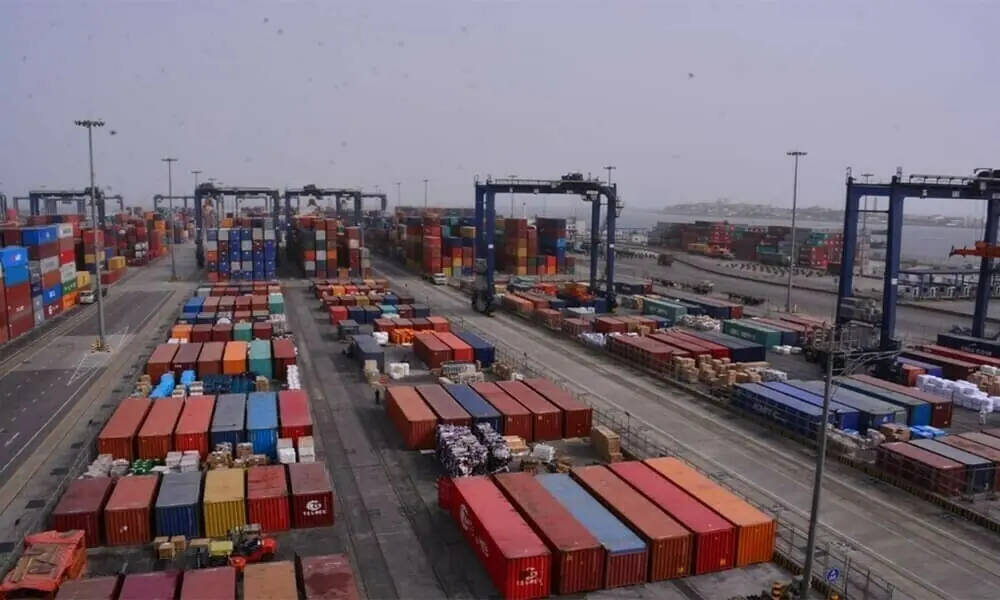
ISLAMABAD: Pakistan’s exports made a strong start in the first month fiscal year 2026-27, with total exports rising 10 percent to USD 2.96 billion in July 2026 from USD 2.69 billion in the same month last year, according to the Pakistan Textile Exporters Association (PTEA).
Sharing the figures on X, the PTEA described the performance as “a healthy start and one worth building on,” noting that the textile industry remained the key driver of export growth.
Textile exports increased by 9 percent to USD 1.83 billion in July 2026, compared to USD 1.68 billion in July 2025.
READ ALSO: ’Four-year high’: Pakistan trade deficit hits $39.5bn in FY26
The association noted that the textile sector accounted for around 62 percent of the country’s total exports, calling the performance encouraging while stressing that there remains significant potential for further growth.
The PTEA also urged the government to closely monitor the import side of the economy.
It said imports of agricultural products increased by more than 2 percent in July 2026, capital goods by over 43 percent, consumer goods by more than 27 percent, and raw materials by over 23 percent.
According to the association, the 43 percent increase in capital goods imports reflects higher inflows of machinery and equipment, indicating investment, capacity expansion, and future production potential.
Similarly, the 23 percent rise in raw material imports is a positive sign if these inputs are being used for export-oriented manufacturing.
However, the association expressed concern over the more than 27 percent increase in consumer goods imports, describing it as consumption-led growth rather than productive import growth. It warned that such imports widen the trade deficit without contributing to future export capacity.
The PTEA said Pakistan’s export performance has remained episodic for decades, with periods of strong growth followed by declines. It argued that the underlying challenges are structural rather than cyclical and called for a comprehensive overhaul of the country’s export ecosystem.
The association stressed the need to address issues ranging from input costs and energy pricing to tax refunds, provincial taxation, logistics, and certification, saying the export ecosystem must be restored rather than temporarily patched.
It further emphasised that policy consistency is the need of the hour, noting that exporters make investment decisions over years, not quarters. Piecemeal measures, frequent policy reversals, delayed implementation, and stop-go regimes undermine the predictability required for long-term investment.
Copyright Business Recorder, 2026





















Comments