


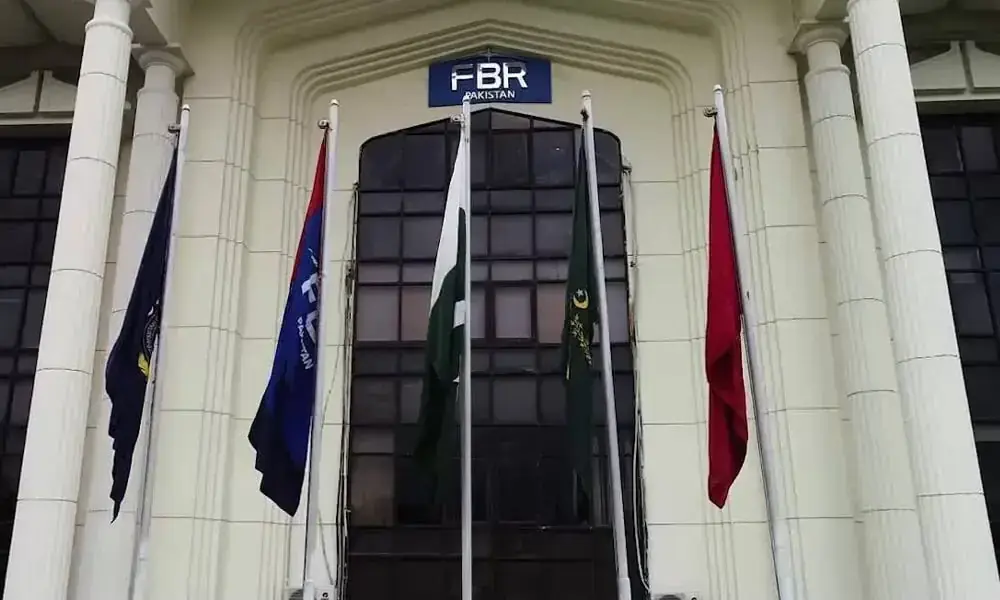

ISLAMABAD: To end harassment to the taxpayers engaged in litigation, the Federal Board of Revenue (FBR) Tuesday created “Independent Case Scrutiny Committees” in all federal taxes to end filing of frivolous appeals at the higher courts by the tax department.
In this regard, the FBR has issued an SRO l138(I)/2026 to notify draft of certain further amendments in the Income Tax Rules, 2002.
Sources told Business Recorder that it is a practice in the field formations of the FBR to file appeals against the orders of the taxpayers in high courts whether the appeal has legal grounds or not. This is due to fear of NAB, suspension or disciplinary proceedings against the tax officials in case appeals are not filed in higher courts against the taxpayers.
READ MORE: NA body endorses creation of ‘Independent Case Scrutiny Committees’
To end this practice, Finance Act 2026 has introduced “Independent Case Scrutiny Committees” in all federal taxes to end filing of frivolous appeals by the tax department before the High Courts.
The Independent Case Scrutiny Committees will examine the legal merits of tax cases before references are filed before High Courts or petitions are instituted before the Supreme Court or the Federal Constitutional Court.
According to the procedure, the proposed framework seeks to institutionalise an independent mechanism for scrutinising litigation under tax laws with the objective of ensuring that only legally sustainable cases involving substantial questions of law or significant revenue implications are pursued before superior courts.
The initiative is also intended to improve the quality of tax litigation, minimise avoidable legal disputes, promote consistency in legal positions adopted by the tax department and strengthen overall litigation management within the FBR.
The notification provides for the constitution of three Independent Case Scrutiny Committees with specified territorial jurisdictions. Each committee will comprise a retired judge of the Supreme Court, the Federal Constitutional Court or a High Court as Chairman, an advocate having at least 15 years’ experience in tax and commercial litigation before superior courts, and a senior serving or retired Inland Revenue Service officer in BS-20 or above as the third member.
The committees will examine every case referred to them and determine whether the matter merits filing of a reference before a High Court or a petition before the Supreme Court or the Federal Constitutional Court.
Besides recommending whether litigation should be initiated, the committees will periodically review pending references and petitions to assess whether continuation of litigation remains justified in the interest of revenue. They will also maintain a comprehensive database of settled legal questions and judicial precedents to ensure consistency in future litigation while identifying systemic legal and administrative issues requiring legislative intervention by the government.
Copyright Business Recorder, 2026




















Comments