


Pakistan urges restraint, calls for revival of Iran-US talks under Islamabad MoU
- FO says escalation to affect global energy supplies, trade
Pakistan urges restraint and dialogue amid escalating Iran-US tensions, warning of regional instability and adverse effects on global energy and trade, while actively engaging regional leaders.
- Pakistan's diplomatic efforts for regional de-escalation.
- Impact of Iran-US tensions on global energy and trade.
- The Islamabad Memorandum of Understanding for peace.
- Prime Minister's engagement with Qatar and Iranian leaders.
Pakistan on Thursday renewed its call for restraint and dialogue amid continuing tensions involving Iran and the United States, warning that further escalation would undermine regional peace and stability and adversely affect global energy supplies and trade.
Addressing his weekly press briefing in Islamabad, Foreign Office Spokesperson Tahir Andrabi said Pakistan had expressed deep concern over the renewed hostilities on July 8 and maintained that “a renewed conflict serves no one’s interest.”
He reiterated Islamabad’s position that there was no alternative to sustained engagement, diplomacy and dialogue in pursuit of lasting peace, stability and progress.
“Ultimately, all conflicts and disputes are resolved through dialogue at the negotiating table,” Andrabi said, adding that the Islamabad Memorandum of Understanding (MoU) remained an enduring framework for promoting peace, mutual respect and shared prosperity.
The development comes days after US military said that it launched fresh strikes on Iran to keep the Strait of Hormuz open to shipping, triggering Iranian attacks on Kuwait and Bahrain in the latest escalation to derail efforts to end the war.
The round of attacks on July 8, which the US said was carried out in response to July 7’s assault on three cargo ships transiting the strait, came hours after President Donald Trump said he believed an interim ceasefire with Iran to be “over.” Since then the two have engaged in attacks on each other. The US military said a day ago that it completed its latest wave of strikes on Iran that it carried out at President Trump’s direction, with targets including Bandar Abbas, Iran’s principal port city on the Strait of Hormuz.
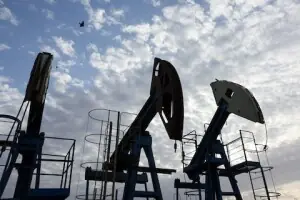
The escalation sent global oil prices soaring and led to concerns of spikes in inflation even in nations far from the conflict.
The key oil and gas artery, which Iran insists it controls, is central to the rekindled fighting that has entered its sixth day despite a preliminary deal in June aiming to end the war.
Meanwhile, the FO spokesperson acknowledged that the implementation of the MoU was facing challenges but said Pakistan would continue encouraging all sides to end violence and resume technical-level talks in accordance with the Islamabad MoU and the Pakistan-Qatar joint statement issued on June 22.
He noted that many countries, particularly in the Global South, were being adversely affected by the situation in the Strait of Hormuz, stressing the urgent need to address its impact on global energy supplies, trade and food security.
Pakistan, he said, hoped for an early normalisation of the situation and underscored the importance of ensuring the safety, security and freedom of maritime navigation in the strategic waterway.
Andrabi said Pakistan had remained actively engaged with key regional stakeholders in support of de-escalation and peaceful resolution efforts.
In this regard, Prime Minister Shehbaz Sharif held a telephone conversation with Qatar’s Emir Sheikh Tamim bin Hamad Al Thani on July 10, during which he expressed concern over regional tensions and conveyed Pakistan’s solidarity with Qatar following recent attacks on the Gulf state.
The two leaders emphasised the importance of sustained diplomatic engagement and adherence to commitments under the Islamabad peace memorandum, while the Qatari emir appreciated Pakistan’s active role in promoting regional peace.
The same day, Prime Minister Shehbaz also spoke with Iranian President Masoud Pezeshkian, expressing concern over recent developments and stressing the need to preserve the “hard-earned peace” achieved in recent weeks.
President Pezeshkian reaffirmed Iran’s commitment to peace and appreciated Pakistan’s constructive support and diplomatic efforts aimed at regional stability, the spokesperson said.
The two leaders also reviewed progress on decisions taken during President Pezeshkian’s visit to Pakistan earlier this month and discussed measures to further strengthen bilateral cooperation.
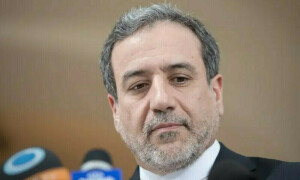
Andrabi further said Deputy Prime Minister and Foreign Minister Ishaq Dar had also remained actively engaged diplomatically, holding separate telephone conversations with Saudi Foreign Minister Prince Faisal bin Farhan and Iranian Foreign Minister Abbas Araghchi.
The discussions focused on recent regional developments, the need for restraint and dialogue, and maintaining close consultations through diplomatic channels.









Comments