


Banks say shift in cost of remittances to burden them, dent profitability
- SBP reports remittances cost at Rs76bn in FY26, projects cost to grow to Rs85-90bn in FY27
Pakistan's government has shifted the cost of workers' remittances to banks, effective July 2026, raising concerns from the Pakistan Banks Association about profitability while banks commit to maintaining free transactions and remittance growth.
- Government's decision to shift remittance costs to banks.
- Projected financial burden on banks and their profitability.
- Strategies to maintain remittance inflows and free transactions.
- Pakistan's reliance on growing workers' remittances.
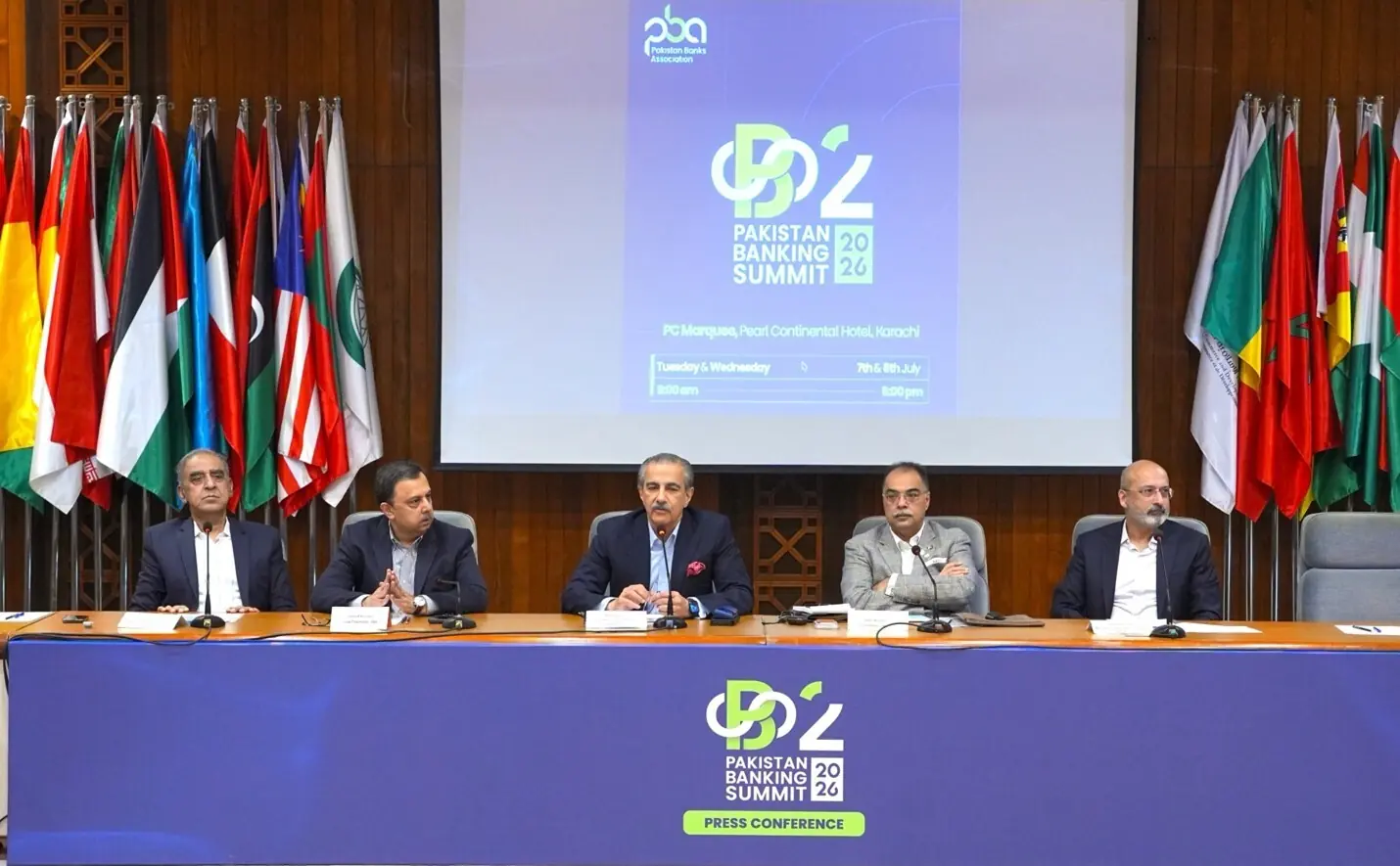
Reacting to a government decision to have shifted its cost of bringing workers’ remittances over to banks in the country, Pakistan Banks Association (PBA) said on Saturday the move had placed an additional financial burden on the financial institutions that would dent their profitability.
Banks in Pakistan have been directed to bear the cost of bringing the remittances with effect from July 1, 2026. Earlier, the government was giving a subsidy to banks to keep the transaction cost at zero for remittances senders and beneficiaries.
State Bank of Pakistan (SBP) reported on Friday the cost of attracting remittances from overseas Pakistanis into the country was recorded at Rs76 billion in the fiscal year ended June 30, 2026.
The country is projected to record over $41.5 billion workers remittances in the year (FY26), as the remittance numbers for June 2026 are in the finalisation stage at present.
SBP Governor Jameel Ahmad has estimated the cost of bringing the remittances would rise to Rs85-90 billion in the fiscal year 2026-27 (FY27), as the country anticipated the inflows of workers’ remittances growing to $44 billion in FY27.
“An additional [financial] burden has been placed on banks. This will dent banks’ profitability,” PBA executive committee member and CEO of Bank Alfalah Atif Bajwa said at a press conference on Saturday, which was organised to announce the holding of the second Pakistan Banking Summit 2026 (PBS’26) on July 7-8, 2026.
“I want to make sure the remittances will continue to grow [despite] the cost that the government was paying, will now be paid by banks,” Bajwa said.
The cost of remittance transactions for senders (remitters) and recipients (beneficiaries) will remain zero like it used to be under the discontinued two schemes from the government end including Sohni Dharti Remittance Programme (SDRP) and Telegraphic Transfer Charges Incentive Scheme (TTCIS).
“Now banks will bear the cost to keep the remittance transactions free of cost, going forward,” SBP governor said in a press conference on Friday.
Ahmad maintained that workers’ remittances had been made a market-based product. Financial institutions could cross-subsidise remittance transactions, he added, arguing that banks could use revenue generated from one or more products to offset the cost of providing remittance services.
“Banks have tough competition on bringing workers’ remittances. Bringing remittances will help them remain in trade [financing import/export] business,” SBP governor maintained. “Remittances are a lifeline for Pakistan.”
Speaking to today’s press conference, PBA chairman and CEO of Bank of Punjab Zafar Masud said banks were in the consultation phase to come up with solutions to finance inflows of the remittances.
Masud claimed that banks had never been benefited from the then government subsidy schemes for bringing remittances. Rather, he continued, such subsidies used to go to remitters and receivers to keep the cost of transition zero. “We are finding solutions. We will try our best to make no compromise on inflows of workers’ remittances. They should grow to $42-44 billion,” he said.
Responding to a question whether banks would face losses due to the new cost component, Atif Bajwa said, it would vary bank to bank. “But if we have to bear some losses, we will ensure increasing the inflows and remain in trade business,” he said.
“We are refreshing the model [of bringing remittances]. We will make sure it makes sense for banks as well. We are in discussion about how to push it. We will increase remittances. It is a must for financing imports of the country. Remittances are crucial for us and for our customers as well,” Bajwa said.
According to Arif Habib Limited, Pakistan’s listed banks posted a consolidated profit of Rs173 billion in the first quarter (Jan-March) of 2026. Listed banks’ profit stood at Rs640 billion in 2025.
Regarding PBS’26, PBA CEO and secretary general Muneer Kamal said over a dozen foreign speakers were travelling to Pakistan to address the summit.
“We would learn from their global experience to evolve banking on a strong footing in Pakistan.”
International speakers belonging to the countries, including Singapore, US, London, Dubai, Belgium, Bahrain, Saudi Arabia, and Malaysia, would participate, he said.
The conference would deliberate on subjects, including extending financing to small and medium enterprises (SME), low-cost housing and agriculture sector, Kamal said.
















Comments