


No refuge for terror
Pakistan faces persistent cross-border terrorism from Afghanistan, necessitating defensive actions. It urges the Afghan Taliban to dismantle militant infrastructure to ensure regional stability and avoid further isolation.
- Pakistan's right to defend against cross-border terrorism.
- Afghan Taliban's responsibility for militant groups on its territory.
- Afghanistan's diplomatic isolation and economic hardship.
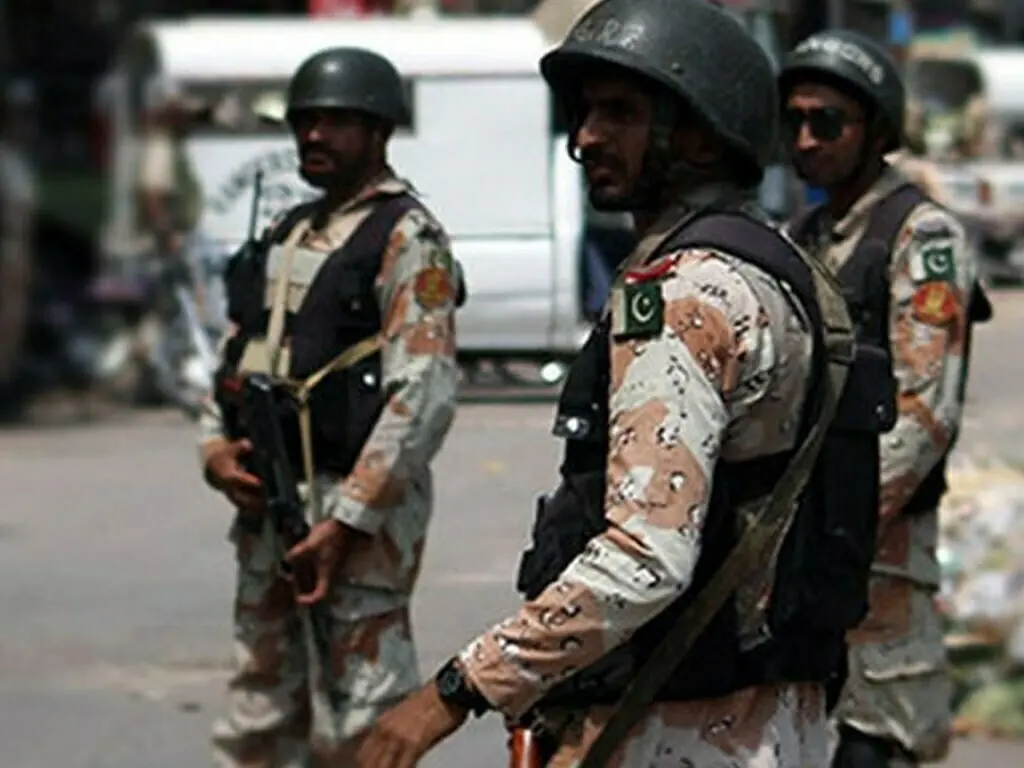
EDITORIAL: Cross-border terrorism cannot become an accepted feature of Pakistan’s security environment.
The latest attack on a Pakistan Rangers camp in Karachi, and the subsequent intelligence-based strikes against terrorist hideouts across the Afghan border, underline a reality that has become increasingly difficult to ignore.
Militant groups continue to demonstrate the ability to organise, recruit, train and launch attacks against Pakistan despite years of sustained counterterrorism operations. Such capabilities cannot survive without infrastructure, financing and, above all, sanctuary.
Pakistan’s position is therefore both reasonable and consistent with international law. Every sovereign state has the right, and indeed the obligation, to protect its citizens and security personnel from organised terrorist violence. Diplomacy should always remain the preferred instrument of statecraft, but diplomacy cannot become an endless exercise in patience while attacks continue to originate from across an international border.
The central issue is no longer whether terrorist groups maintain a presence inside Afghanistan. Pakistan has repeatedly presented its concerns regarding organisations such as the Tehreek-i-Taliban Pakistan and affiliated militant groups. The recurring pattern of attacks, the arrest of suspects with cross-border links and the repeated need for diplomatic demarches all point towards a problem that remains unresolved despite years of engagement with Kabul.
This places a clear responsibility upon the Afghan Taliban government.
Every government exercises authority over its own territory and bears responsibility for ensuring that territory is not used to threaten neighbouring states. This is one of the most fundamental principles governing relations between sovereign countries. If militant organisations continue to enjoy operational freedom inside Afghanistan, the burden of explanation rests with the authorities exercising control there.
The consequences extend beyond Pakistan’s immediate security concerns. Afghanistan remains diplomatically isolated and faces severe economic hardship. Recognition by much of the international community remains elusive, while reconstruction and economic recovery continue to depend upon greater international engagement. Allowing internationally recognised terrorist organisations to operate from Afghan territory only deepens that isolation and further undermines the prospects for normalisation.
Nor is this a strategy that ultimately serves Afghanistan’s own interests. States that tolerate militant groups often discover that such organisations gradually become liabilities rather than assets. Extremist networks rarely remain confined to one objective or one border. Thriving on instability, they weaken state authority and eventually threaten the very governments that once believed they could manage them.
Pakistan’s intelligence-based operations should therefore be viewed within this broader context. No responsible government can permit repeated attacks on its territory while simply waiting for assurances that conditions will eventually improve. Defensive action against those responsible becomes increasingly difficult to avoid when diplomatic efforts repeatedly fail to produce measurable results.
At the same time, Pakistan’s response must continue, distinguishing clearly between terrorist elements and ordinary Afghan citizens. Millions of Afghans have themselves suffered from decades of conflict, displacement and violence. Counterterrorism efforts must remain firmly directed against militant networks and those providing them sanctuary, not against innocent civilians whose circumstances are already exceptionally difficult.
The long-term solution nevertheless lies beyond military action alone. Intelligence operations can disrupt terrorist networks and eliminate immediate threats, but they cannot permanently secure the border if militant sanctuaries continue to exist. Lasting stability requires genuine cooperation between neighbouring states and an unequivocal commitment to denying terrorists any space from which to operate.
The Afghan Taliban government therefore faces a choice that will shape the future of regional security. It can dismantle terrorist infrastructure, address Pakistan’s legitimate security concerns and demonstrate that it seeks normal relations with its neighbours. Or, it can continue down a path that invites diplomatic isolation, economic hardship and an increasingly robust security response from countries forced to defend themselves.
Pakistan has paid an enormous price in blood over two decades of counterterrorism. It cannot reasonably be expected to tolerate the continued export of terrorism from across its western border. No government should.
Copyright Business Recorder, 2026

























Comments