


Waste-to-energy projects: better late than never
Pakistan is finally developing a national waste-to-energy policy to tackle severe waste management and energy shortages, a proven solution globally that offers significant economic and environmental benefits.
- Global success of waste-to-energy technologies.
- Economic benefits and investment potential of waste-to-energy.
- Challenges in implementing new policies in Pakistan.
- Integrated waste management strategies for sustainable solutions.
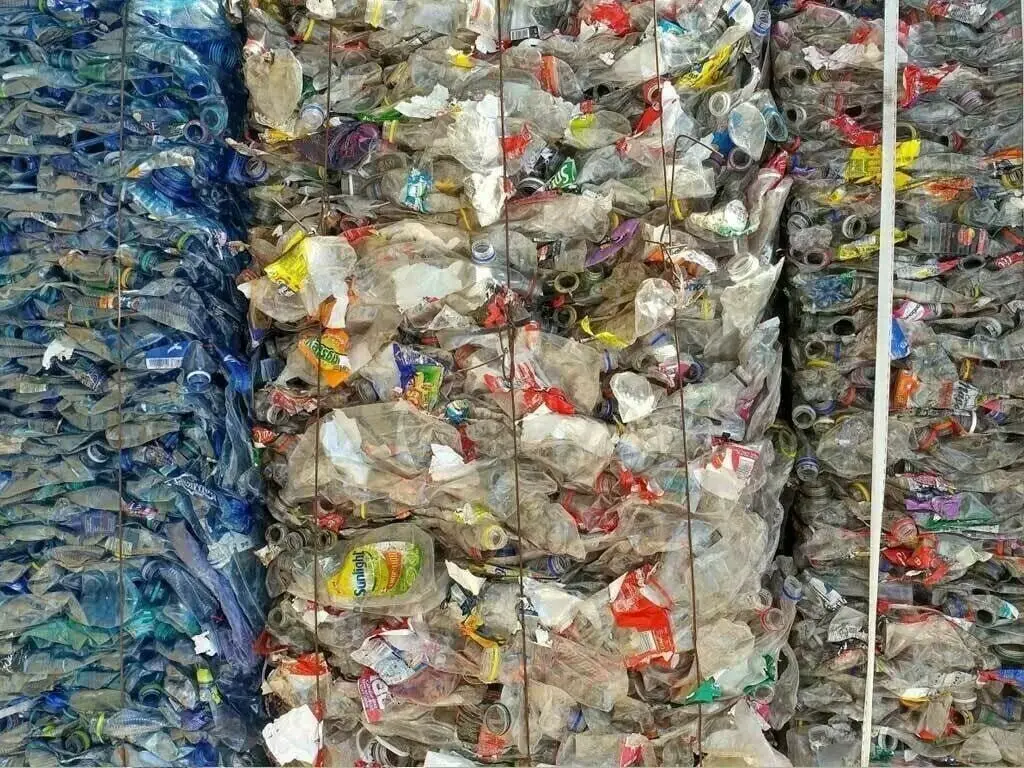
EDITORIAL: It’s encouraging that Pakistan has finally moved to develop a comprehensive national policy for waste-to-energy projects, even though this initiative should have arrived years ago. The formation of an 18-member task force to address regulatory gaps, encourage investment and propose a national framework deserves support because the underlying logic is difficult to dispute. After all, few countries combine such severe waste-management challenges with such persistent energy shortages. The fact that these two problems can help solve each other has been evident for a very long time.
Around the world, waste-to-energy technologies have evolved from experimental concepts into established components of modern energy and environmental policy. Countries across Europe and Asia have spent decades refining systems that convert municipal waste into electricity, heat and industrial fuel while simultaneously reducing pressure on landfills and improving urban sanitation. The technology is neither new nor untested. What has been missing in Pakistan is the willingness to move beyond discussion and into implementation.
That delay has carried costs. Pakistani cities continue to struggle with mounting waste accumulation, inadequate disposal systems and growing environmental pressures. At the same time, the country remains heavily dependent on imported energy and continues searching for ways to diversify its energy mix. Waste-to-energy projects cannot solve every energy challenge, but they can contribute to the solution while addressing an entirely separate environmental problem.
The economic argument is equally compelling. Municipal waste represents a resource that is currently being discarded while creating additional costs for local governments and environmental agencies. Properly managed waste-to-energy facilities can transform part of that burden into economic value. They can generate electricity, reduce landfill requirements and create opportunities for private-sector investment in a field with significant long-term potential.
The government, therefore, deserves credit for recognising the opportunity. The task force’s mandate to review international best practices, identify legal and regulatory obstacles and formulate a national policy reflects an understanding that fragmented approaches are unlikely to succeed. The inclusion of provincial representatives, private-sector stakeholders and environmental agencies also suggests an effort to build consensus before implementation begins.
Yet optimism should be tempered by experience. Pakistan has no shortage of committees, task forces, policy frameworks and reform proposals. The country’s development landscape is crowded with initiatives that generated enthusiasm at the announcement stage but struggled to produce measurable results thereafter. Waste-to-energy itself has appeared in policy discussions before, only to fade amid bureaucratic delays, regulatory uncertainty and competing priorities.
There is also a need for realism. Waste-to-energy should complement broader waste-management reforms rather than substitute for them. Recycling, waste segregation and improved collection systems remain essential components of any sustainable strategy. Countries that have successfully adopted waste-to-energy technologies generally developed them as part of an integrated approach rather than a standalone solution.
The broader significance of the initiative lies in what it says about Pakistan’s development priorities. The country faces mounting environmental pressures, rising urbanisation and continuing energy challenges. Solutions that address multiple problems simultaneously deserve serious consideration. Waste-to-energy falls squarely into that category.
For that reason alone, the initiative is worth pursuing. The technology is proven, the need is obvious and the potential benefits are substantial. The question is no longer whether Pakistan should explore waste-to-energy. That debate should have been settled years ago. The challenge now is ensuring that this latest effort succeeds where previous discussions failed. Better late than never remains a reasonable sentiment. Better late and effective would be far better still.
Copyright Business Recorder, 2026











Comments