


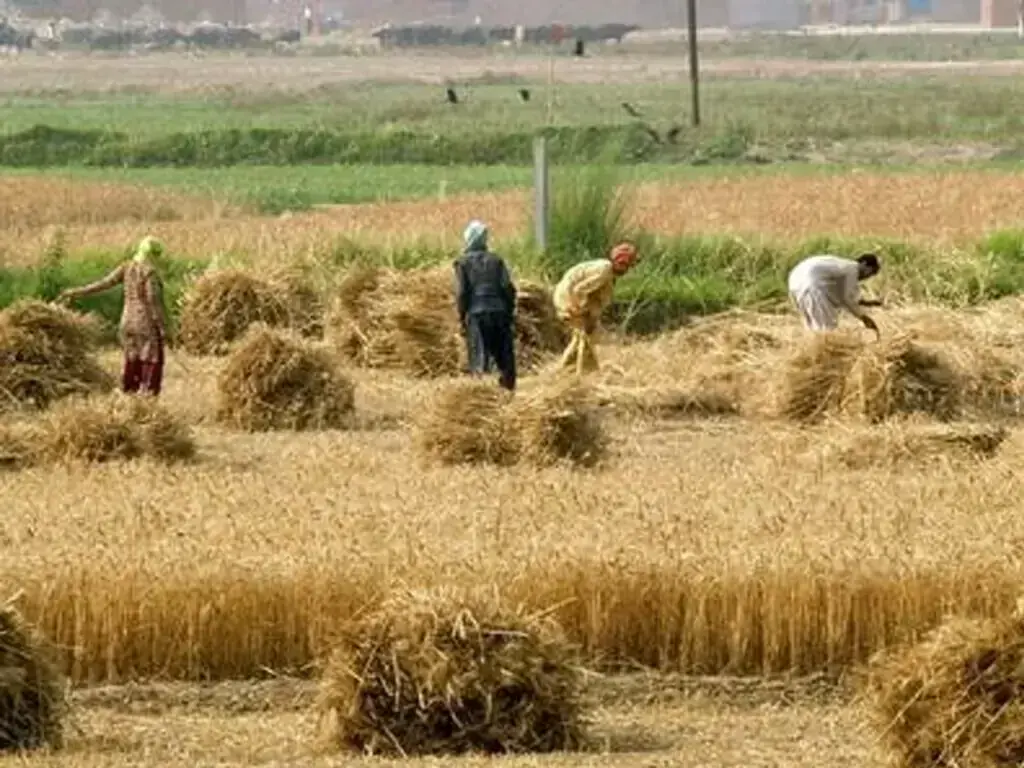

Pakistan’s food system is entering a period of mounting strain. What once appeared as a series of isolated pressures, heat waves, water shortages, and rising input costs, has now evolved into a broader structural challenge, affecting agricultural productivity, food prices, and economic stability.
The effects are no longer confined to farms; they are increasingly visible in urban markets, where consumers face volatility in the availability and affordability of essential food items.
At the core of this disruption is climate change. Pakistan’s agriculture, long dependent on predictable seasonal cycles, is now exposed to rising temperatures, erratic rainfall, and shifting weather patterns. Heat stress during critical crop growth stages is reducing yields, while delayed or uneven rainfall is disrupting planting and harvesting cycles. Wheat and rice, which form the backbone of the country’s food supply, are particularly vulnerable. These shifts are not temporary fluctuations but signs of a deeper transformation in the agro-climatic environment.
Recent climate signals also point to the likelihood of a strong El Niño phase, which could intensify heat waves and prolong dry spells across the region. For Pakistan, such conditions would place additional pressure on water resources and further destabilize crop cycles. Past experiences suggest that even short-term climatic disruptions can translate into significant agricultural losses, particularly in regions already facing environmental stress.
Water scarcity remains one of the most critical constraints. Over the past decades, Pakistan has moved from relative water abundance to severe stress. Agriculture consumes the bulk of available freshwater, yet inefficiencies in irrigation systems continue to undermine sustainability. Canal leakages, outdated irrigation methods, and over-extraction of groundwater have created a situation where water is increasingly scarce and costly. In several farming regions, declining groundwater levels are making irrigation less accessible, particularly for smallholder farmers.
Environmental degradation is compounding these pressures. Intensive farming practices have led to declining soil fertility and increased dependence on chemical inputs. While fertilizers and pesticides have supported productivity in the past, their excessive use has resulted in long-term ecological damage. Soil health deterioration, loss of biodiversity, and contamination of water sources are now emerging as serious concerns. These trends reduce the resilience of agricultural systems and increase vulnerability to pests, diseases, and climate variability.
The economic dimension of this crisis is equally significant. Rising costs of fertilizers, fuel, and electricity have increased the cost of cultivation, squeezing already narrow profit margins. Small farmers, who dominate Pakistan’s agricultural landscape, are particularly exposed to these cost pressures. With limited access to credit, insurance, and modern technologies, their ability to adapt remains constrained. As a result, many reduce input use or shift cropping patterns, often at the expense of productivity.
For consumers, the consequences are increasingly visible. Food inflation has become a persistent challenge, driven by supply-side constraints and rising production costs. Basic food items are becoming less affordable, particularly for low- and middle-income households. This not only affects food security but also has broader implications for nutrition and public health. In this context, the stress on agriculture is no longer a sectoral issue; it is a national concern.
Inefficiencies along the supply chain further exacerbate the problem. Post-harvest losses, inadequate storage infrastructure, and fragmented market systems reduce the effective supply of food. A significant portion of agricultural produce is lost before reaching consumers, undermining both farmer incomes and market stability. Addressing these inefficiencies is essential to improving the resilience of the food system.
Despite these challenges, there are pathways toward a more sustainable and resilient future. Digital technologies are beginning to offer practical solutions. Mobile-based advisory services, real-time weather information, and digital marketplaces can help farmers make informed decisions, manage risks, and improve access to markets. In a context where traditional extension services are limited, such tools can play a critical role in enhancing productivity and adaptability.
Agribusinesses and retail chains also have an important role to play. As intermediaries between producers and consumers, they can influence practices across the value chain. Investments in cold storage, logistics, and quality control can reduce post-harvest losses and improve efficiency. At the same time, corporate initiatives focused on sustainability, such as responsible sourcing and support for smallholder farmers can contribute to a more balanced and environmentally responsible food system.
Pakistan’s food system cannot be sustained through incremental adjustments alone. What is required is a decisive shift toward climate-resilient and resource-efficient agriculture. This begins with reforming water governance by promoting precision irrigation, reducing canal losses, and regulating groundwater extraction. At the same time, policies must incentivize crop diversification and support the adoption of heat- and drought-tolerant seed varieties. Without these structural changes, productivity gains will remain short-lived.
Equally critical is the role of digital transformation. Expanding access to real-time weather information, mobile-based advisory services, and digital marketplaces can help farmers manage risks and improve efficiency. These tools must be scaled through coordinated public-private efforts rather than remaining limited to pilot initiatives. Strengthening extension systems and linking them with digital platforms can significantly enhance outreach and impact.
Agribusinesses and retail chains must also move beyond conventional practices. Investments in cold storage, logistics, and transparent supply chains can reduce post-harvest losses and stabilize prices. More importantly, corporate responsibility initiatives should focus on sustainable sourcing, reduction of environmental footprints, and direct engagement with smallholder farmers. A more accountable value chain can align economic incentives with environmental sustainability.
At the policy level, short-term relief measures must give way to long-term planning. Subsidies should be redirected toward efficiency-enhancing technologies rather than input-intensive practices. Strengthening institutional coordination, particularly between federal and provincial bodies, will be essential to implementing reforms effectively. Without governance coherence, even well-designed policies risk remaining ineffective.
The stakes are no longer confined to agriculture alone. A fragile food system translates into persistent inflation, rising inequality, and increasing pressure on household welfare. If left unaddressed, these challenges will continue to undermine economic stability and social cohesion. Pakistan does not lack the knowledge or tools to address these issues. What is needed is urgency, coordination, and sustained commitment. The choices made today will determine whether the country moves toward a resilient and sustainable food system or continues to operate under growing vulnerability.
Copyright Business Recorder, 2026
The writer is affiliated with the School of Management, Jiangsu University, Zhenjiang, Jiangsu P.R. China, and the Department of Agribusiness and Entrepreneurship Development, MNS-University of Agriculture, Multan, Pakistan
The writer is affiliated with the Department of Agribusiness and Entrepreneurship Development, MNS-University of Agriculture, Multan, Pakistan


























Comments