


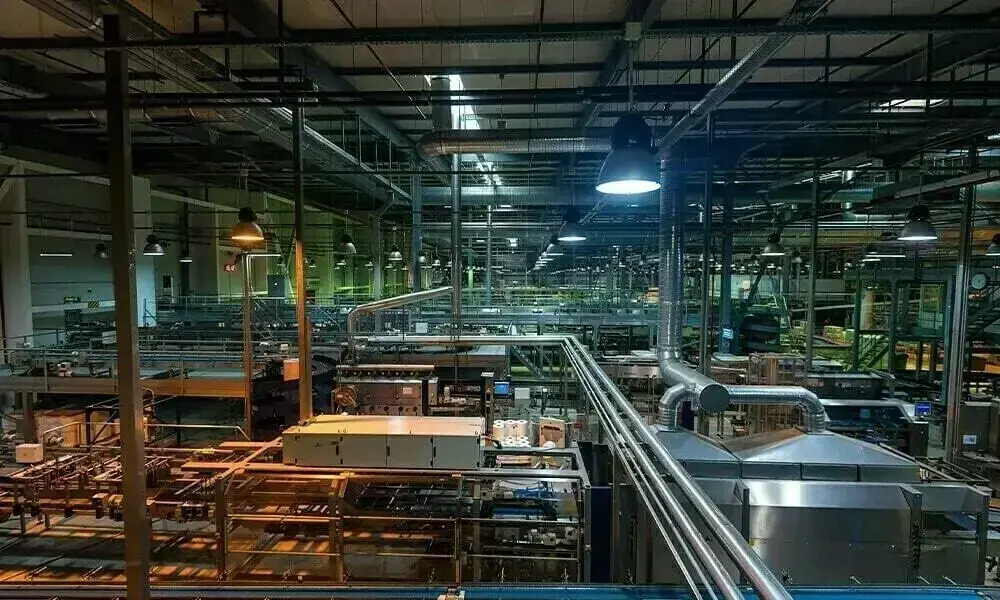

Pakistan’s manufacturing sector is seen moving again - The Pakistan Economic Survey 2025-26 shows manufacturing growing by 6.6 percent, led by a recovery in LSM, which had contracted by 0.69 percent last year, expanded by 6.11 percent in FY26.
That is clearly good news. Manufacturing is not stuck in contraction, and the recovery is not limited to one or two sectors. Out of 22 industrial groups, 16 recorded positive growth during July-March FY26.
The Survey links this improvement to better macroeconomic conditions, exchange rate stability, lower inflationary pressures, relatively easier monetary policy, improved foreign exchange availability and better access to imported inputs.
But the headline number tells only part of the story. The rebound is real, but its quality is uneven.
Much of the lift has come from sectors linked to domestic demand, low-base recovery, and inventory normalisation, while some sectors that matter more for industrial depth, productivity and investment remain weak. That makes the FY26 recovery meaningful, but not yet a full industrial revival.
Food was one of the biggest contributors to the rebound. The sector grew 9.77 percent and added 1.79 percentage points to cumulative LSM growth. Sugar production rose sharply, while cooking oil, wheat, and rice milling also posted modest gains. Beverages grew. This helped reverse last year’s weakness in food manufacturing and gave LSM an important boost.
Automobiles were another major driver. The auto sector grew 61.7 percent during July-March FY26, compared to 40 percent growth in the same period last year. The Survey links this performance to declining inflation, exchange rate stability, and lower interest rates.
Coke and petroleum products grew 10.9 percent, compared to 4.9 percent last year, driven by higher output of high-speed diesel, motor spirit, diesel oil, jet fuel oil, and other petroleum products. Electrical equipment also performed well, growing 11.9 percent.
There was also some strength in wearing apparel, which grew 6.6 percent. The Survey notes that readymade garments benefited from improved competitiveness and stronger domestic and external demand. Export quantity rose 5.9 percent, and export value increased 3.8 percent during July-March FY26.
The weak spots, however, are just as important. Overall textiles, one of Pakistan’s largest manufacturing and employment-generating sectors, grew only 0.75 percent. Cotton yarn rose meagrely, while cotton cloth barely moved.
The bigger concern is that several sectors linked to industrial capacity and input chains stayed negative. Pharmaceuticals contracted 5.14 percent, against growth of 2.3 percent last year.
Chemicals contracted 1.44 percent. Iron and steel products declined 6.3 percent, while machinery and equipment also remained weak. These are not minor details. If the recovery is to become a durable industrial cycle, weakness in these sectors cannot be ignored.
The credit picture also shows a mixed trend. Private sector credit increased by around 22 percent year-on-year during Jul-Mar 2026. But loans to private sector businesses declined by around 8-9 percent. Within manufacturing, total business credit fell by over 17 percent.
The composition however, improved, with manufacturing credit shifting away from working capital and toward fixed investment, suggesting some firms are beginning to borrow for expansion rather than just operations.
The Survey’s message is balanced. Manufacturing has recovered, but risks remain from geopolitical tensions and higher energy prices, which can raise production and transport costs.
So, the recovery should not be overstated. LSM is growing again. Autos, food, petroleum products, and apparel are all doing better. But a real industrial revival needs more than a rebound in a few sectors. Textiles, chemicals, pharmaceuticals, steel, machinery, and export-oriented manufacturing also need to gain strength.
FY26, therefore, marks a recovery in manufacturing, not a transformation. The factories are moving again, but the industrial base remains uneven. The real challenge now is to move from factory recovery to industrial momentum that can survive beyond one good year.























Comments