


Pakistan car sales jump 48% in July–May FY26
Pakistan's car sales surged 48% in the first eleven months of FY2025-26, driven by eased import restrictions, lower interest rates, and improved macroeconomic conditions, despite negligible EV adoption.
- Key drivers behind the surge in car sales.
- Impact of interest rate cuts and import restriction easing.
- Reasons for negligible electric vehicle adoption.
- Future prospects for Pakistan's automotive market.
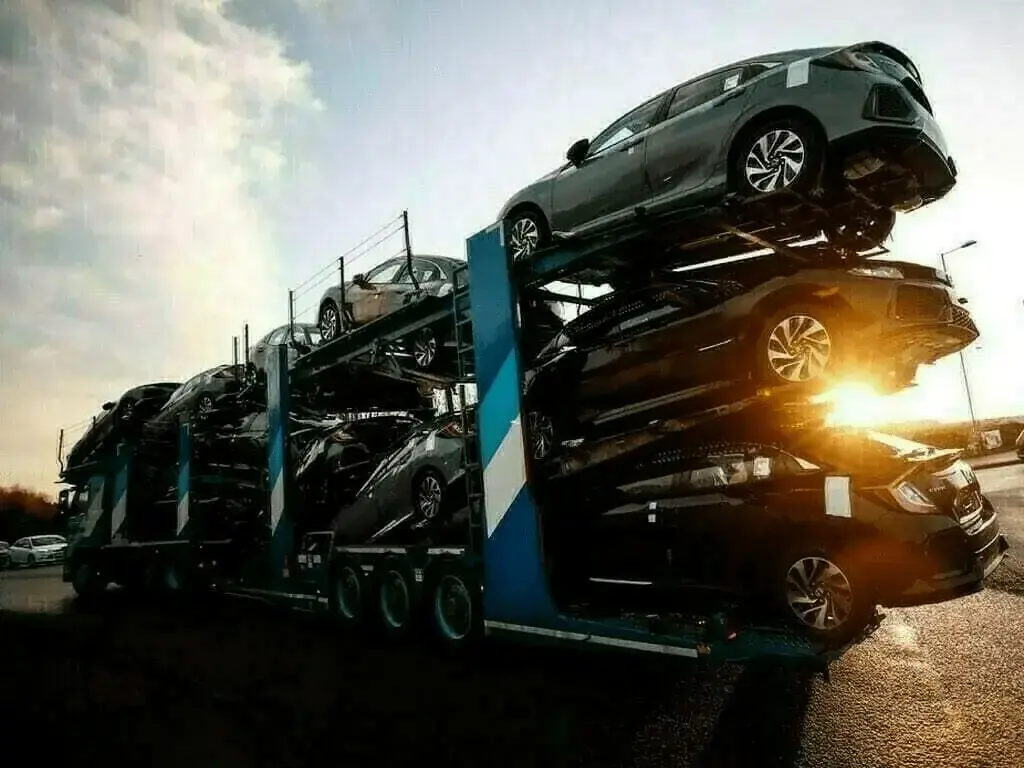

Car sales in Pakistan surged 48% in the first eleven months of FY2025-26, with industry experts attributing the growth to eased import restrictions and lower interest rates.
The Pakistan Automotive Manufacturers Association (PAMA) released monthly data of car-cum-motorbike sales on Thursday. Car sales increased by 48% to 140,253 units. Sales of jeeps and pickups rose by 37% to 43,451 units.
Meanwhile, sales of trucks and buses went up by 73% to 6,534 units and by 21% to 867 units, respectively. Motorbikes and rickshaws surged by 30% to 1,793,569 units. Sales of farm tractors fell to 3% to 25,732 units.
Automobile expert Shafiq Ahmed Shaikh said Pakistan’s automotive market experienced a massive turnaround in May 2026, driven by improving macroeconomic conditions after a prolonged economic slowdown.
Car sales significantly climbed due to key structural changes in the local financial sector, according to Shaikh.
“The core driver of the sales upsurge is the interest rate cuts by the State Bank of Pakistan (SBP) that aggressively lowered policy interest rates to stable levels.”
He said another factor was acceptable auto financing rebound through which the lower interest rates immediately revitalised consumer utilisation of bank auto loans.
Shaikh said the primary driver behind the surge in sales was the easing of import restrictions, which allowed local original equipment manufacturers (OEMs) to fully normalise production after the government relaxed curbs on the import of completely knocked-down (CKD) kits.
He said the increase in car sales showed the electric vehicles (EVs) impact remained negligible in Pakistan.
“While global markets transition to electric mobility, Pakistan’s localised automotive landscape limits EV adoption,” Shaikh maintained.
“Whereas the main issue is the non availability of charging infrastructure as still all highway networks and cities lack public charging infrastructure, fueling massive range anxiety.”
He was of the view that the energy grid constraints through unreliable power grids and regular countrywide blackouts make pure battery electric vehicle (BEV) ownership highly impractical.
“If the government wants to support the EV segment, forthwith the charging infrastructure must be installed like fuel pumps in the country.”
Shaikh said the increase in car sales also showed high initial costs of EVs remained luxury items beyond average consumers.
Meanwhile, auto analyst Mashood Khan said, “When it comes to sales of the car segment, this is the best year in comparison with the previous fiscal year”.
“Sales of both small and big cars appeared better. If we analyse the market, the best years were 2022, 2018 and 2011 when the car sale touched the 200,000 volume.
“We would be near the benchmark of the industry this year by the end of June but would not be able to cross it (200,000 units). The coming year is important as the budget is coming with the new auto policy. So, the better policy may further raise the car sales in days to come,” Khan said.












Comments