


Heatstroke in Karachi: prevention and preparedness for summer 2026
Karachi faces severe, life-threatening heatwaves in May-June 2026. This article details vulnerabilities, high-risk groups, and a three-tier prevention strategy for citizens, workplaces, and city officials.
- Karachi's unique vulnerabilities to extreme heat.
- High-risk groups and targeted protection measures.
- Individual, workplace, and city-level prevention strategies.
- Recognizing heatstroke symptoms and essential first aid.
- Debunking common heatstroke myths.
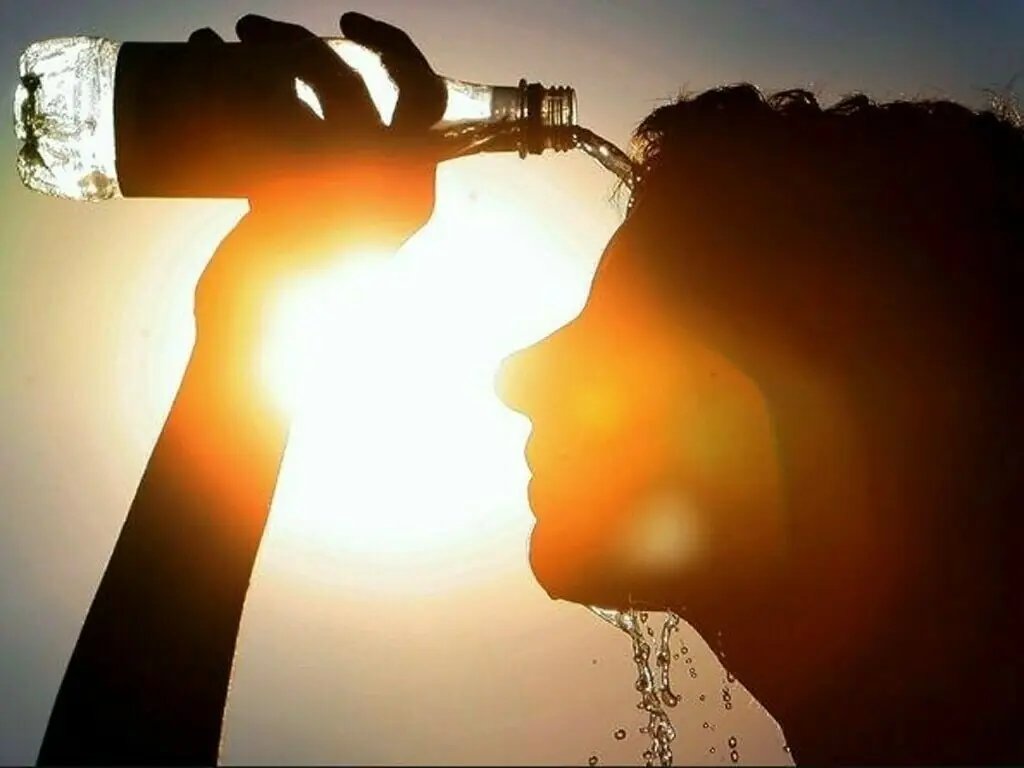

As Karachi braces for the peak of summer, the mercury is once again becoming a public health emergency. The Pakistan Meteorological Department (PMD) forecast that May and June 2026 would bring prolonged heatwaves to Sindh, with Karachi likely to face daytime highs between 40°C and 44°C, coupled with humidity levels of 60-75 percent due to pre-monsoon conditions. In a densely populated, concrete-heavy coastal city with frequent power outages, this is not just uncomfortable. It is life-threatening.
Heatstroke, the most severe form of heat-related illness, is preventable. Yet each year, hundreds of Karachiites end up in emergency rooms with core body temperatures above 40°C, altered mental status, and organ damage. Many do not survive. The 2015 heatwave killed over 1,200 people in Karachi alone. We cannot afford to repeat that history.
As a public health specialist working in Karachi, I urge citizens, employers, and city officials to treat the coming weeks as a health crisis that requires individual action and systemic planning.
Understanding the threat: why Karachi is vulnerable in 2026
Heatstroke occurs when the body’s cooling mechanisms fail. Sweating becomes inadequate and internal temperature rises rapidly. In Karachi, three factors amplify the risk in May-June:
Urban heat island effect: Asphalt, concrete, and a lack of green cover trap heat. Data from a reliable and renowned institution shows that temperatures in areas like Saddar, Korangi, and SITE can be 3-5°C higher than coastal Clifton or DHA at night, offering little relief. The body needs cooler nights to recover. Without them, heat stress accumulates day after day.
Humidity and coastal conditions: Unlike the dry heat of Punjab, Karachi’s humidity prevents sweat from evaporating efficiently. A 42°C day at 70% humidity has a “feels like” temperature exceeding 54°C on the heat index. This is the danger zone for heatstroke. The sea breeze, once a relief, now often carries moisture that worsens heat stress.
Infrastructure gaps: Loadshedding disrupts fans, ACs, and refrigeration. Water shortages limit hydration. According to a reliable source, tanker dependency rises 40% in May-June. Many low-income workers in markets, ports, and construction cannot avoid peak sun hours from 11am to 4pm. Their economic reality forces exposure.
We must redesign Karachi for a hotter future.
For 2026, PMD’s seasonal outlook indicates a delayed monsoon and stronger El Niño influence, meaning longer dry spells and more consecutive 40°C+ days than the 10-year average. The Climate Change Ministry projects 5-7 heatwave days per month this season, up from 3-4 historically. The risk is not theoretical. It is imminent.
Who is at the highest risk?
While anyone can suffer heatstroke, certain groups need targeted protection:
Outdoor workers: Hawkers, traffic police, delivery riders, construction laborers, fishermen, and rickshaw drivers. A study by a private, non-profit research university found delivery riders have core temperatures 1.8°C higher than office workers by mid-day.
Elderly and children: Those over 65 and under 5 have less efficient thermoregulation. The elderly may not feel thirst, and infants cannot communicate it.
People with chronic illness: Diabetes, heart disease, kidney disease, and obesity impair the body’s heat response. Diabetics are 3x more likely to be hospitalised for heat illness.
Patients on specific medications: Diuretics, antihistamines, beta-blockers, antidepressants, and some psychiatric drugs reduce sweating or alter circulation. Review medications with your physician before summer.
Residents of informal settlements: Poor ventilation, tin roofs, and limited water access create deadly microclimates. Indoor temperatures in Orangi and Lyari shanties have been recorded at 47°C during outages.
If you or a loved one falls into these categories, prevention must start now. For employers, identifying at-risk staff is a legal and ethical responsibility under the Sindh Occupational Safety and Health Act.
Recognising heatstroke: Minutes Matter Heat illness is a spectrum. Heat exhaustion often precedes heatstroke. Watch for heavy sweating, weakness, dizziness, headache, nausea, vomiting, and muscle cramps. This is your warning to cool down immediately. Move to shade, sip water, and apply wet cloths.
Heatstroke signs require emergency action:
- Body temperature of 40°C or higher
- Hot, dry skin or profuse sweating that suddenly stops
- Confusion, slurred speech, seizures, irrational behavior
- Loss of consciousness
- Rapid, strong pulse followed by a weak pulse
- Vomiting
This is a medical emergency. Call emergency medical helplines or rush to the nearest tertiary hospitals. While waiting, move the person to shade, remove excess clothing, and aggressively cool them. Apply cold wet cloths to the neck, armpits, and groin. Use fans. Place ice packs if available. Do not give fluids if the person is unconscious or vomiting.
For less severe symptoms, consult your physician or visit a basic health unit to prevent escalation. Time lost is brain lost.
Prevention: a three-tier strategy for Karachi
Individual level: what every citizen can do
Hydration is non-negotiable: Do not wait for thirst. Thirst means you are already dehydrated. Drink 2-3 liters of water daily, more if outdoors. The standard is 250ml every 20 minutes during heat exposure. Add ORS or a pinch of salt and sugar to water if sweating heavily. Avoid caffeine, sugary drinks, and alcohol. They are diuretics and dehydrate you. Lassi, lemonade with salt, sattu, and coconut water are excellent local options. Monitor urine color. Pale yellow is safe. Dark yellow means drink more.
Dress and schedule smart: Wear loose, light-colored, cotton or linen clothing. Dark colors absorb heat. Use a wide-brimmed hat, umbrella, or damp gamcha. Sunglasses protect against UV-related headaches. Schedule errands for before 10am or after 5pm. If you must be out mid-day, follow the “20-20 rule”: 20 minutes work, 10-minute breaks in shade.
Climate change is not a distant threat. For Karachi, it is the temperature on streets today.
Cool your home without power: Keep curtains closed during the day, especially on west-facing windows. Open them at night to release trapped heat. Place a bowl of water or wet towel in front of a battery-operated fan for evaporative cooling. Sleep on the floor or a charpai. Heat rises. Take multiple cool showers. Wet a dupatta and place it on your neck, head, and wrists. Pulse points cool the blood directly.
Check on others: The most powerful prevention tool is community. Heatstroke can incapacitate a person within 15 minutes. Daily check-ins on elderly neighbors, pregnant women, and those living alone save lives. Establish a buddy system in your building or office.
Workplace and institutional level
Karachi’s economy cannot shut down for summer, but it can adapt. The cost of inaction is higher: lost productivity, medical bills, and reputational damage.
Employers: Implement mandatory water breaks every 30 minutes for outdoor staff. Adopt the Singapore model: adjust shifts to avoid 12-3 pm exposure. Provide shaded rest areas with water and ORS.
Supply wide-brimmed hats and cooling towels. Train supervisors to spot symptoms. K-Electric should prioritize feeders serving industrial zones, ports, and hospitals during PMD red alerts. The Port of Karachi should enforce midday breaks for dockworkers.
Schools and madaris: Suspend outdoor assemblies and PE classes during hot days. Allow students to carry water bottles and install water coolers. Permit light-colored shalwar kameez instead of blazers. Reschedule exams if PMD issues a red alert. Heat impairs cognitive function. A child’s performance drops 12% at 35°C.
Hospitals and clinics: Stock IV fluids, ORS, ice packs, and cooling blankets. Set up dedicated “heatstroke corners” in emergency departments with rapid triage protocols. Train staff on cold-water immersion, the most effective treatment. Conduct drills in April.
Mosques and community centers: Announce heatwave precautions after prayers. Open doors as cooling centers from Zuhr to Asr for those without electricity. Imams can frame prevention as hifz-e-nafs, protection of life, a core Islamic principle.
Heatstroke is a failure of prevention, not a quirk of fate.
The concerned department should circulate heat safety SOPs to all members. Productivity lost to illness costs more than preventive measures. A heat-safe workplace is a productive workplace.
City and policy level
Short-term actions save lives this summer. Long-term planning saves the city.
Immediate steps for summer:
Heatwave early warning system: The concerned authorities in Sindh must issue clear, Urdu and Sindhi alerts 72 hours before extreme heat. These should trigger SMS campaigns via announcements on TV, radio, and mosque loudspeakers. The alert system should be tied to action: red alert means school closures.
Cooling centers: The concerned authorities should identify and publicise air-conditioned public spaces. Libraries, public dealing offices, banks, and mall corridors can serve as daytime shelters. Map them ward-wise and share on social media. Ensure women-only spaces exist.
Water supply: The concerned authorities must ensure water tankers service high-risk katchi abadis daily during heat alerts. Suspend planned maintenance cut-offs from May 15 to June 30. Deploy mobile water tanks in markets like Empress and Jodia Bazaar.
Ambulance readiness: Equip private, non-profit social welfare and ambulance services with ice baths, rectal thermometers, and protocols for pre-hospital cooling. “Cool first, transport second” saves brain cells.
Green interventions: The Parks Department should install temporary shade structures and misting fans in public spaces. Halt tree cutting from April to August.
Long-term resilience: We must redesign Karachi for a hotter future. This means mandating reflective white paint or “cool roofs” for all new buildings under the Sindh Building Control Authority (SBCA) codes. It means planting urban forests in every district, not just decorative palms. It means restoring natural drainage and green belts to reduce trapped heat. The Green Line and BRT corridors should include shaded walkways and misting stations.
We need a Karachi Heat Action Plan modeled on Ahmedabad’s, which cut heat deaths by 60%. Climate change is not a distant threat. For Karachi, it is the temperature on streets today.
Myths that kill
Let me address dangerous misconceptions I hear in clinics every summer:
“Only the weak get heatstroke”: False. Young, fit athletes and soldiers collapse too. It is about heat load, not fitness.
“Drinking cold water causes stomach problems”: False. Cold water is absorbed faster and helps lower core temperature. Room temperature is fine too. The key is volume, not temperature.
“Fans alone prevent heatstroke”: False. Above 35°C with high humidity, fans can accelerate dehydration if you are not hydrating. They move hot air onto skin.
“Alcohol helps you cool down”: Dangerously false. Alcohol is a diuretic and impairs judgment. It is a factor in many heatstroke deaths.
Sidebar: 5-step heatstroke first aid
Use while calling ambulance services or transporting to healthcare institutions.
- Move to shade/AC: Get them out of the sun immediately. Lay them down, elevate legs slightly.
- Call for help: Dial ambulance service. Say “suspected heatstroke, core temp over 40°C”. Don’t wait.
- Strip & cool fast: Remove excess clothing. Drench skin with cool water. Fan vigorously. Apply ice packs or cold wet cloths to neck, armpits, and groin. If conscious and hospital is >20 min away, consider cold water immersion in a tub/tank.
- DO NOT give fluids if unconscious: If awake and not vomiting, give small sips of cool water or ORS. Stop if vomiting starts.
- Monitor till help arrives: Check breathing and responsiveness. Continue cooling until body feels cool to touch or ambulance takes over. Cool first, transport second.
Economic case for prevention
A single ICU admission for heatstroke at a private hospital exceeds Rs500,000. A day of lost labour across Karachi’s 2.5 million daily wage earners due to heat illness costs the economy billions.
Conversely, a Rs500 water cooler, Rs200 ORS stock, and enforced breaks cost almost nothing. Prevention is not charity. It is risk management. Corporate social responsibility this summer should mean heat safety for workers and communities.
A call to action
Heatstroke is a failure of prevention, not a quirk of fate. Protect yourself and your family using the steps above. Look out for one person who cannot protect themselves. Demand that your workplace and elected officials take heat seriously.
To policymakers: convene the Karachi Heat Task Force
To business leaders: audit your heat safety plan now.
To citizens: share this information. A WhatsApp forward can save a life.
Karachi has survived cyclones, floods, and political heat. It can survive this climate challenge too, but only if we act together, with science, empathy, and urgency. The forecast is hot. Our response should be hotter.
Stay safe. Stay hydrated. Stay informed.
The article does not necessarily reflect the opinion of Business Recorder or its owners.
The author is a registered medical practitioner, specialising in healthcare quality, clinical research, public health, and hospital administration. She can be reached at [email protected]


























Comments