


Worsening nutrition crisis, growing economic cost came under sharp focus
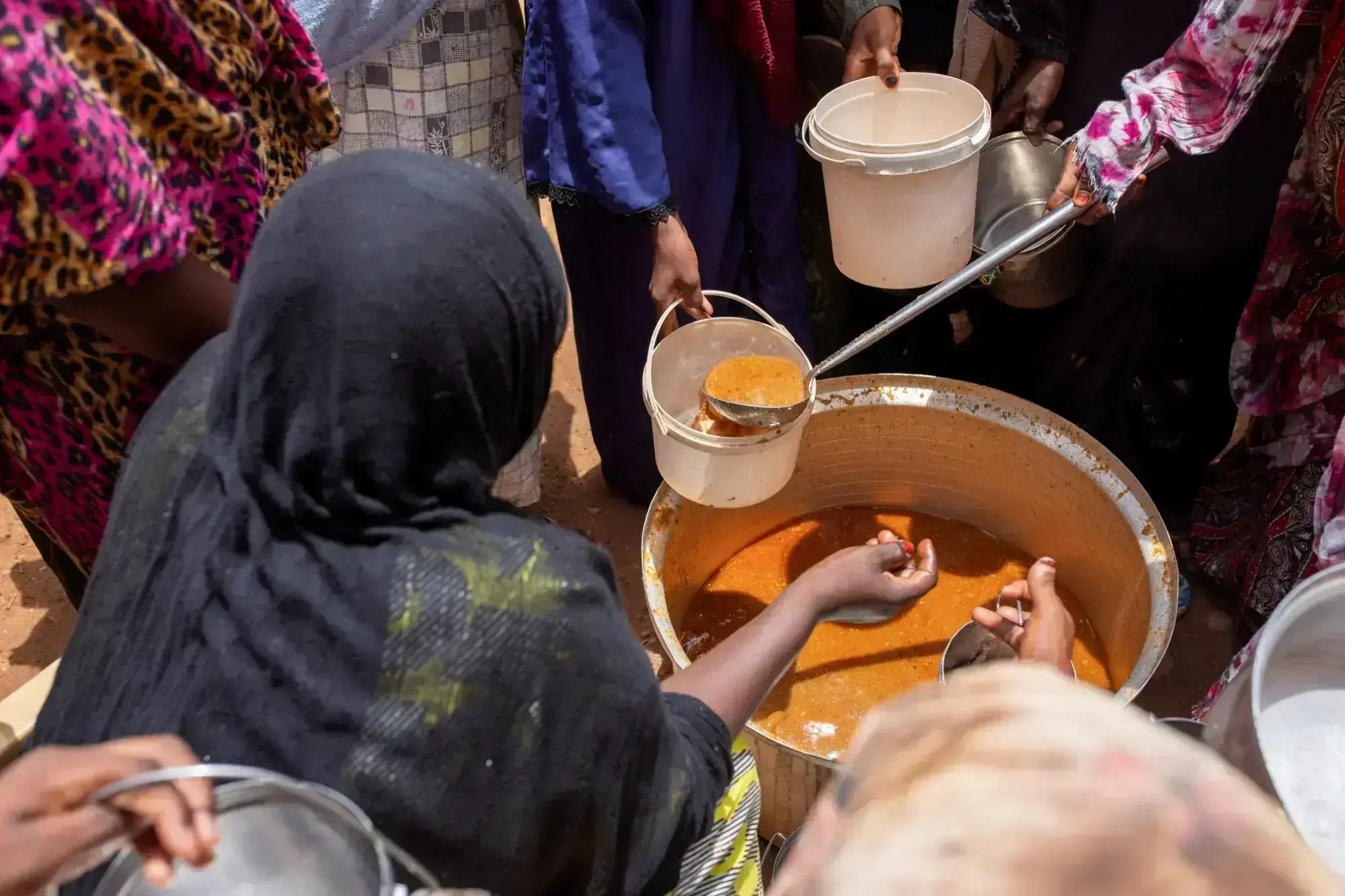

LAHORE: Pakistan’s worsening nutrition crisis and its growing economic cost came under sharp focus at a stakeholder dialogue hosted by the Pakistan Medical Association in Lahore, where experts called for urgent reforms in the country’s dairy sector, expansion of school nutrition programmes and stronger food safety systems to address rising malnutrition and productivity losses.
The session, titled “The True Value of Dairy in Pakistan,” brought together stakeholders from the dairy industry, regulatory authorities and nutrition organizations including Tetra Pak, the Punjab Agriculture, Food and Drug Authority (PAFDA) and GAIN.
Speakers argued that despite Pakistan being among the world’s largest milk-producing and milk-consuming countries, the country continues to suffer from alarming levels of stunting, micronutrient deficiencies and food insecurity.
Addressing the forum, Dr Muhammad Nasir from the Punjab Agriculture, Food and Drug Authority (PAFDA) said, “Pakistan produces more than 72 billion liters of milk annually, yet continues to face widespread nutrition challenges due to gaps in food safety, supply chain formalization and quality assurance.” He warned that contamination, adulteration and unsafe informal milk systems were preventing the country from fully benefiting from its dairy potential. “There is something fundamentally wrong in the system when a country producing such massive quantities of milk still faces severe nutrition challenges,” he said, adding, “Malnutrition and stunting were directly linked to productivity losses and economic decline.”
Nasir said even small improvements in dairy productivity and formalization could generate significant gains for farmers, exports and the national economy.
Farah Naz from GAIN stressed that Pakistan’s nutrition crisis particularly affects women and children, with high levels of stunting and deficiencies in vitamin D, calcium, zinc and iron. She said milk plays a critical role in early childhood development and cognitive growth, but affordability and the dominance of the informal milk market continue to limit access to safe nutrition.
Farah also called for reforms in taxation on packaged milk and stronger support for formal dairy systems to improve food safety and nutritional outcomes. She said that about 40pc children Under-5 face stunted growth. As per UNICEF data, about 10 million children in Pakistan have stunted growth.
According to her, 2pc milk is processed in Pakistan and there is climate impact on food products. Pakistan’s packaged milk is the most expensive in the world. She called for reducing GST on milk from 18pc to 5pc. Key reforms are also needed to strengthen nutrition security through dairy sector, she said, adding: “Pakistan will suffer 7.6bn USD loss of GDP, if we failed to invest on nutrition sector.”
Dr Talat Naseer Pasha of PAFDA highlighted the commitment of the Punjab government in uprooting the menace of adulteration. He said the PAFDA is working to achieve the desires goals.
Speaking at the event, Noor Aftab, Director Corporate Affairs for Pakistan, Middle East, North and West Africa at Tetra Pak, highlighted the role of safe nutrition and school feeding programmes in improving child health and educational outcomes. Referring to global experiences, he said Tetra Pak-supported school feeding programmes currently reach nearly 66 million children across 49 countries, while studies by the World Food Programme show that every dollar invested in such initiatives can generate returns of seven to nine dollars.
Noor Aftab also highlighted the Punjab School Meal Programme, which currently benefits over one million children through the provision of safe milk and nutritional support in schools. He acknowledged that this program is yielding very positive impact on beneficiary school children health in the province.
He said the programme also incorporates a sustainability model under which used UHT milk cartons are collected, recycled and converted into desks, benches, chairs and notebooks for the same schools.
Dr. Ashraf Nizami of Pakistan Medical Association (PMA) in his remarks highlighted the objectives of the moot.
Copyright Business Recorder, 2026

























Comments