


Pakistan warns of foreign narrative campaign against regional diplomacy
- Alleges a coordinated external disinformation campaign, using unnamed sources, aims to discredit its vital role in fostering regional peace and diplomatic stability
Pakistan alleges an external, coordinated disinformation campaign aims to discredit its regional peace efforts and diplomatic role, especially concerning the US-Iran crisis.
- Pakistan's claims of a coordinated negative information campaign.
- The alleged "escalation lobby" undermining West Asia de-escalation.
- Pakistan's diplomatic role in facilitating US-Iran contacts.
- Specific narratives used to delegitimize Pakistan's regional engagement.
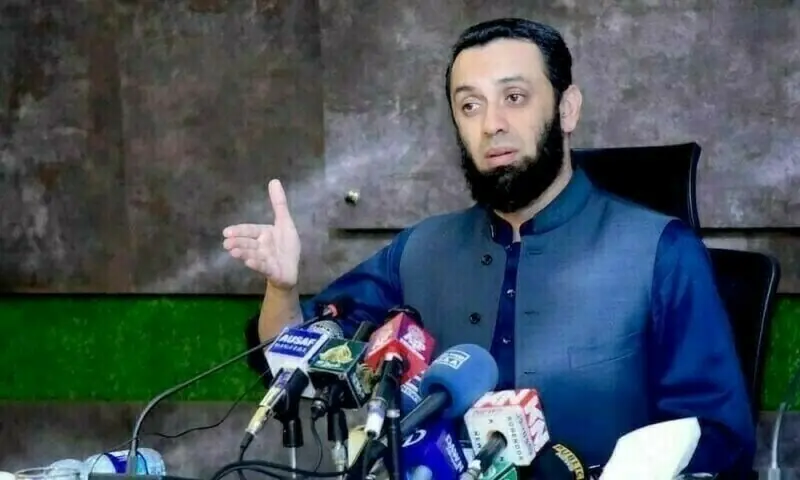
Pakistan on Thursday said a coordinated negative information campaign originating from outside the country was aimed at creating “deliberate confusion and misinformation” to discredit Islamabad’s role in promoting sustainable peace in the region.
The remarks came after Federal Minister for Information and Broadcasting Attaullah Tarar issued a statement on X, alleging that a malicious disinformation campaign had been launched using “unnamed sources and officials” to create confusion regarding Pakistan’s regional role.
In a strongly worded statement, officials said the campaign relied on “unnamed sources and officials” to spread misleading narratives, terming it an unprofessional attempt driven by “detractors of peace” frustrated with Pakistan’s diplomatic and counterterrorism efforts.
The statement maintained that multiple domestic media organisations and independent fact-checking forums had already exposed what it described as propaganda and disinformation surrounding recent developments.
“We understand quite clearly that behind such stories are certain elements, mainly the detractors of peace, who are unable to come to terms with Pakistan’s role for peace in the region as well as Pakistan’s continued and successful fight against foreign-sponsored and abetted terrorism,” the statement said.
It added that efforts aimed at elimination of terrorism, peaceful dispute resolution and regional stability “perhaps do not suit those behind this malicious campaign.”
Sources said a broader pattern of coordinated narratives had emerged across multiple Western and pro-Israeli media platforms in recent weeks, coinciding with Pakistan’s growing diplomatic role in facilitating contacts linked to the US-Iran crisis.
According to sources, the sequencing of narratives — ranging from reports regarding Iranian aircraft in Pakistan to stories focusing on Afghanistan, Balochistan, human rights allegations and questions surrounding Pakistan’s neutrality — suggested an organised effort to politically delegitimise Islamabad’s regional diplomatic engagement.
Sources further claimed that the campaign appeared linked to what they described as an “escalation lobby” seeking to undermine any diplomatic stabilisation between Washington, Tehran and regional Muslim states.
They argued that de-escalation in West Asia would weaken the long-standing security narrative built around perpetual regional confrontation.
The report also referred to recent claims regarding an alleged “secret visit” by Israeli Prime Minister Benjamin Netanyahu to the United Arab Emirates, which Abu Dhabi officially denied, alongside subsequent reports alleging covert Saudi involvement against Iran.
Sources said these narratives appeared aimed at creating an impression of a hidden anti-Iran alignment in the Gulf despite repeated public denials by regional states.
Officials maintained that Pakistan’s emergence as a credible facilitator in regional diplomacy had disrupted efforts aimed at sustaining geopolitical polarisation.
They said even critical international outlets had been compelled to acknowledge Islamabad’s role in ceasefire facilitation and diplomatic engagement between Washington and Tehran, increasing Pakistan’s diplomatic relevance at a sensitive regional moment.
Sources alleged that reports claiming Pakistan sheltered Iranian aircraft were strategically amplified to portray Islamabad as an unreliable mediator before Washington.
They also claimed that Indian media outlets rapidly amplified such reports, acting as “force multipliers” for anti-Pakistan narratives circulating in Western and Israeli media ecosystems.
At the same time, sources pointed to a steady flow of international reporting framing Pakistan through themes of instability, militancy, sectarian tensions, economic fragility and rights-related allegations.
“The cumulative effect is not incidental reporting; it is narrative saturation designed to erode Pakistan’s credibility at the exact moment it is gaining diplomatic weight,” a source said.
Officials, however, maintained that Pakistan’s diplomatic posture remained “strategically grounded rather than reactive,” driven by concerns related to regional stability, energy security, border management, economic continuity and prevention of a wider regional conflict.
Pakistan also praised the role of local media and digital influencers for countering what it called a coordinated disinformation drive, saying responsible journalism and fact-based reporting would continue to expose “nefarious designs” targeting the country.
The statement came amid heightened regional information warfare and competing narratives circulating on international and social media platforms in recent days.





















Comments