


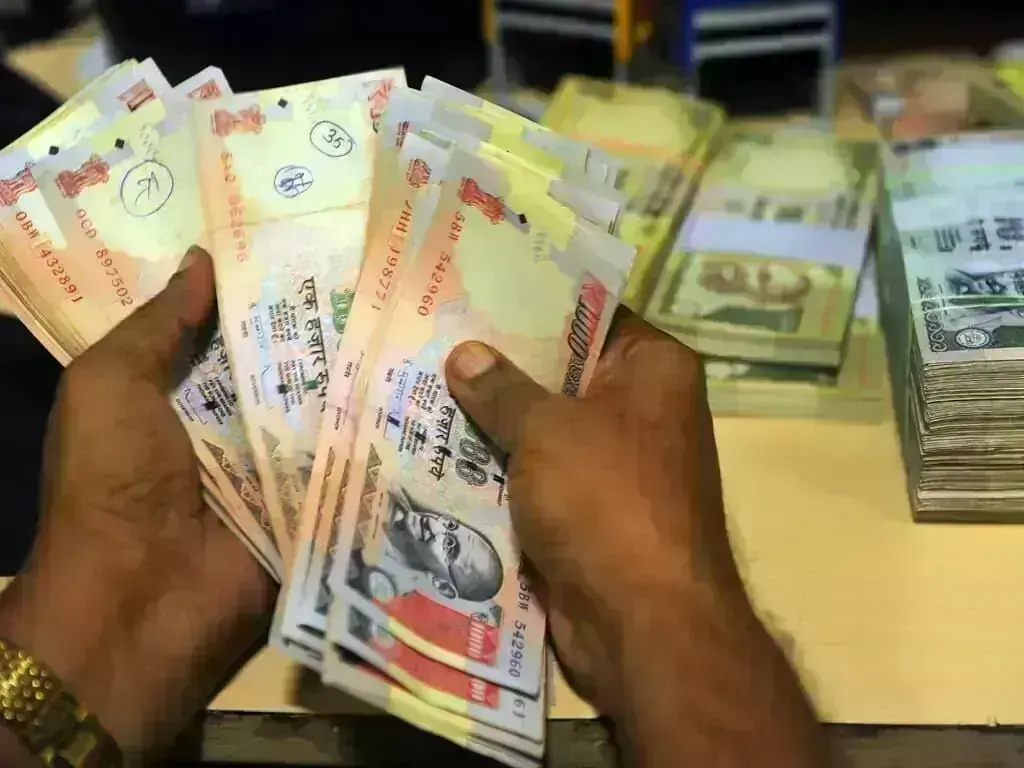

MUMBAI: The Indian rupee weakened to an all-time low on Wednesday, extending its losing streak, as overseas debt repayments and importer-hedging demand outweighed limited support from New Delhi raising taxes on gold and silver shipments.
The rupee weakened to 95.7950 per dollar, edging past its previous low of 95.7375 hit just a day earlier.
The energy shock from the prolonged US-Iran war that has effectively shut the Strait of Hormuz has hurt India’s macroeconomic outlook and strained its current account balance. Economists have lowered their growth forecasts, raised inflation projections and warned of sustained pressure on the rupee.
The currency, which ended down 0.1 percent at 95.7050 per US dollar, has fallen more than 5 percent since the Iran war began, making it Asia’s worst-performing currency this year.
Analysts say the losses would have been steeper had it not been for the central bank’s frequent market interventions and rare regulatory curbs.
“A collapse in oil prices or a resumption in portfolio flows are prerequisites for a durable turnaround in the rupee’s bearish run,” Radhika Rao, senior economist at DBS, said in a note.
Brent crude prices have risen nearly 50 percent since the war erupted at February end. India, the world’s third-largest oil importer and consumer, meets more than 90 percent of its crude oil needs and about half of its natural gas demand through imports.
Prime Minister Narendra Modi has urged a range of measures to conserve foreign exchange reserves, while the federal government has hiked tariffs on precious metal imports.
Global markets traded cautiously while currencies were largely rangebound. Technology-sensitive shares gained as AI optimism dwarfed concerns over stalled Washington-Tehran negotiations.




















Comments