


This is apropos a letter to the Editor titled ‘Pakistan’s diplomacy redefines the Iran War’ carried by the newspaper on Tuesday, Wednesday and yesterday.
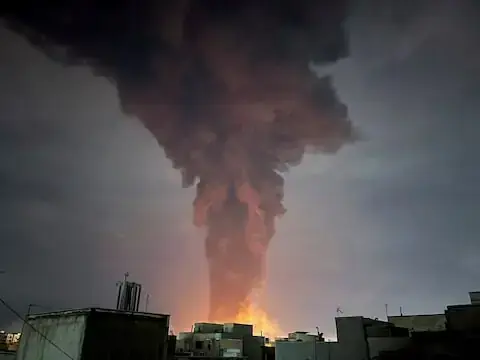
For the broader Middle East, the implications were profound. Regional states, many of which had found themselves caught between competing pressures, were granted a reprieve. Their infrastructure—already strained by strikes on energy facilities, transport networks, and desalination plants—now had a chance to recover. Economically, the stabilization of the Strait of Hormuz, through which a significant portion of global oil supply flows, helped ease immediate fears of a global energy crisis.
Israel, however, faces a different set of lessons. The assumption that it could operate as the unchallenged military authority in the region has been fundamentally questioned. Iran’s response demonstrated that it possesses not only the will but also the capability to counter Israeli and allied actions across multiple domains—military, strategic, and diplomatic. The conflict has revealed that the balance of power in the Middle East is more complex than previously assumed.
Moreover, the discourse surrounding extreme military options—including discussions in some policy circles about the potential use of tactical nuclear weapons—highlighted the dangerous trajectory the conflict had taken. Such considerations underscored the urgency of diplomatic intervention and reinforced the importance of restraint. The ceasefire, therefore, was not just a pause in hostilities; it was a critical interruption of a path that could have led to irreversible consequences.
Copyright Business Recorder, 2026
The writer is a former Press Secretary to the President, An ex-Press Minister at Embassy of Pakistan to France, a former MD, SRBC Macomb, Detroit, Michigan









Comments