


Indian rupee at risk of all-time low on long-standing oil drag
- The rupee is expected to open in the 95.25 to 95.30 range, per traders. It settled at 95.0875 on Monday
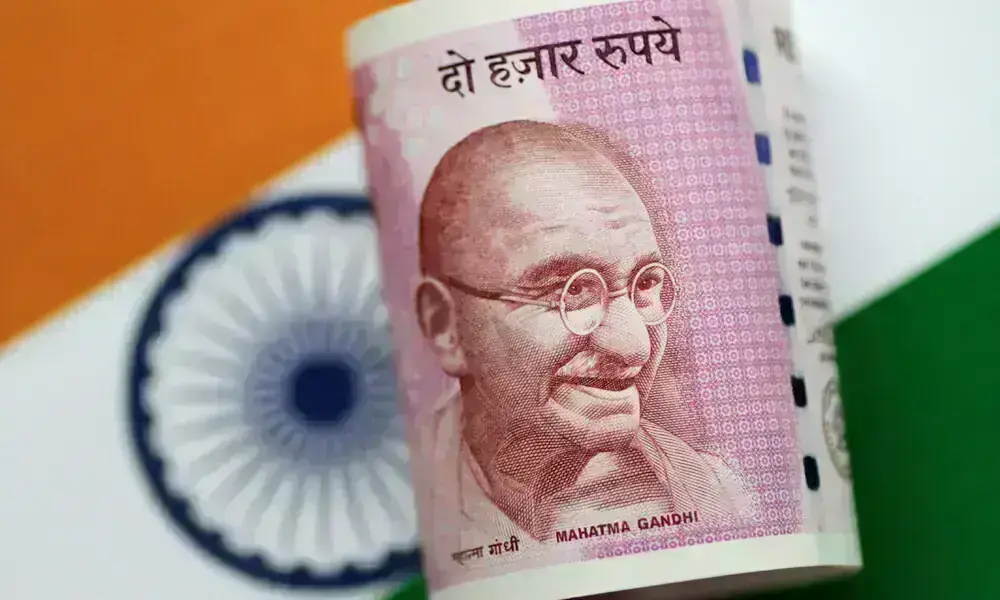

MUMBAI: The Indian rupee is vulnerable to slipping to a lifetime low against the US dollar on Tuesday on higher oil prices, reinforcing a pressure point that has persistently undermined the currency over the last several weeks.
The rupee is expected to open in the 95.25 to 95.30 range, per traders. It settled at 95.0875 on Monday, not too far from the all-time low of 95.33 hit last week.
Brent crude July futures surged nearly 6% on Monday after Iran stepped up military action, striking multiple ships in the Strait of Hormuz and igniting a fire at a UAE oil port.
Iran’s actions threaten a fragile ceasefire with the U.S., coming after U.S. President Donald Trump pledged that the U.S. Navy would ensure passage through the Strait of Hormuz. The pledge has coincided with the conflict’s most significant escalation since a truce was reached four weeks ago.
The renewed spike in tensions is likely to deter ship owners from considering transit through the Strait of Hormuz, ANZ Bank said in a note, a dynamic that would keep oil prices higher.
Sustained higher oil prices remains a key vulnerability for the rupee. The rally in crude since the conflict began over two months ago has worsened India’s terms of trade and driven persistent dollar demand, making oil the principal source of pressure on the currency and prompting the Reserve Bank of India to supplement direct intervention with additional steps.
“It’s all about oil, oil and oil,” a currency trader at a private sector bank said. The rupee is unlikely to see any meaningful relief unless there is a sizeable cooling in crude prices, he said.
Persistent daily dollar demand from oil companies is weighing on the currency, which in turn is making exporters reluctant to hedge while prompting other importers to increase hedging, bankers have highlighted.
All of this is happening when capital inflows are largely absent, leaving the rupee with very few pressure-release valves, the trader said.



















Comments