


Intense heat drives India's power output to two-year high
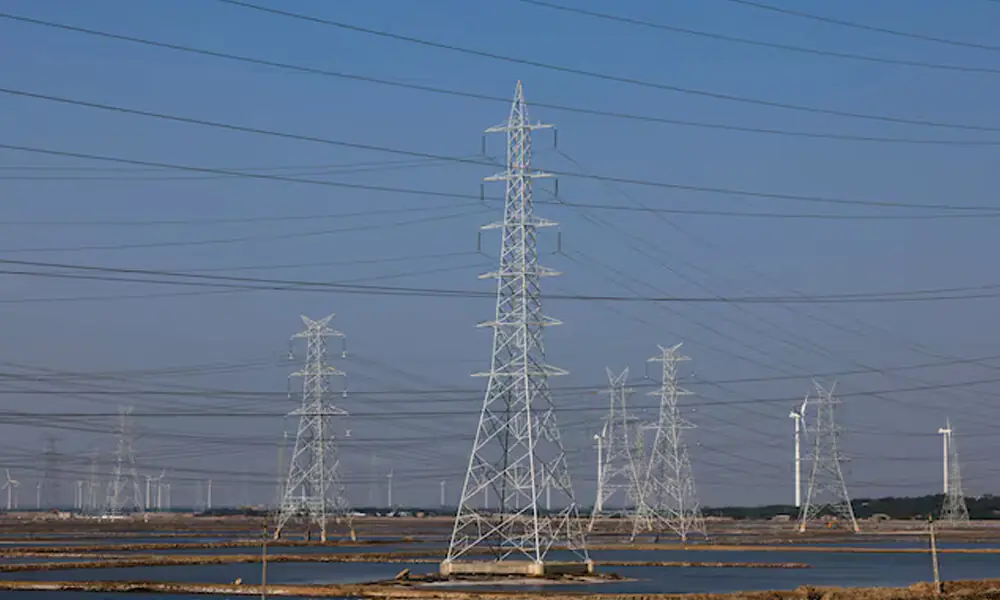

NEW DELHI: India’s electricity generation in April rose to 167.61 billion kilowatt-hours, the highest since May 2024, and is set to increase further as intense heat leads to record peaks in demand, a Reuters analysis of daily government data showed.
Forecasts of a strong El Nino pattern are likely to bring hotter and drier conditions across Asia.
Already, peak power demand, a measure of the maximum electricity requirement over any given time, has hit a record 256.1 GW on April 25, Grid-India data showed. Higher peaks are expected, reaching maximum peak power demand of around 270 GW in the hottest months of May and June.
READ MORE: Hydropower generation reaches 6,000MW: PD
On an annual basis India’s power generation rose by 5.3% in April, data from the federal grid regulator Grid-India showed.
Renewable generation increases its share of the mix
The share of renewable power generation in India’s power mix rose to 16.5%, the highest since July 2025, the data showed. The South Asian nation produced 27.58 billion kWh of renewable power in April, up 22.3% from a year earlier.
“A solar-heavy system is able to meet peak absolute demand during daytime,” Debabrata Ghosh, Head of India at Aurora Energy Research, said.
Ghosh added India needed more power storage infrastructure to meet demand spikes when solar power is not available “at the earliest”.
According to the India Meteorological Department, large parts of India experienced maximum temperatures in the range of 40 to 45 degrees Celsius (in excess of 100 degrees Fahrenheit) in April.
The government said in March it was confident of meeting the 270 GW peak.
Coal-fired power generation rose 2.6% year-on-year to 121.34 billion kWh in April, its fastest growth since December, the data showed.
However, coal’s share of total generation declined to 72.4% in April from 74.3% a year earlier as renewable capacity expanded.
Hydropower output increased 11.8% to 11.46 billion kWh, the data showed.
Meanwhile, gas-based power generation fell about 33% in April from a year earlier due to higher fuel prices and supply constraints linked to the Middle East crisis.
Despite this, gas-fired capacity usage surged during peak demand periods. Gas-based generation rose to about 9.6 GW in the last week of April from roughly 2 GW earlier in the month, highlighting its role as a backup power source.




















Comments