


Details on state debt maturity profile to whet auction, derivatives demand, investors say
- For long-term investors like insurers, it would be easy to plan investments if the maturity buckets are known
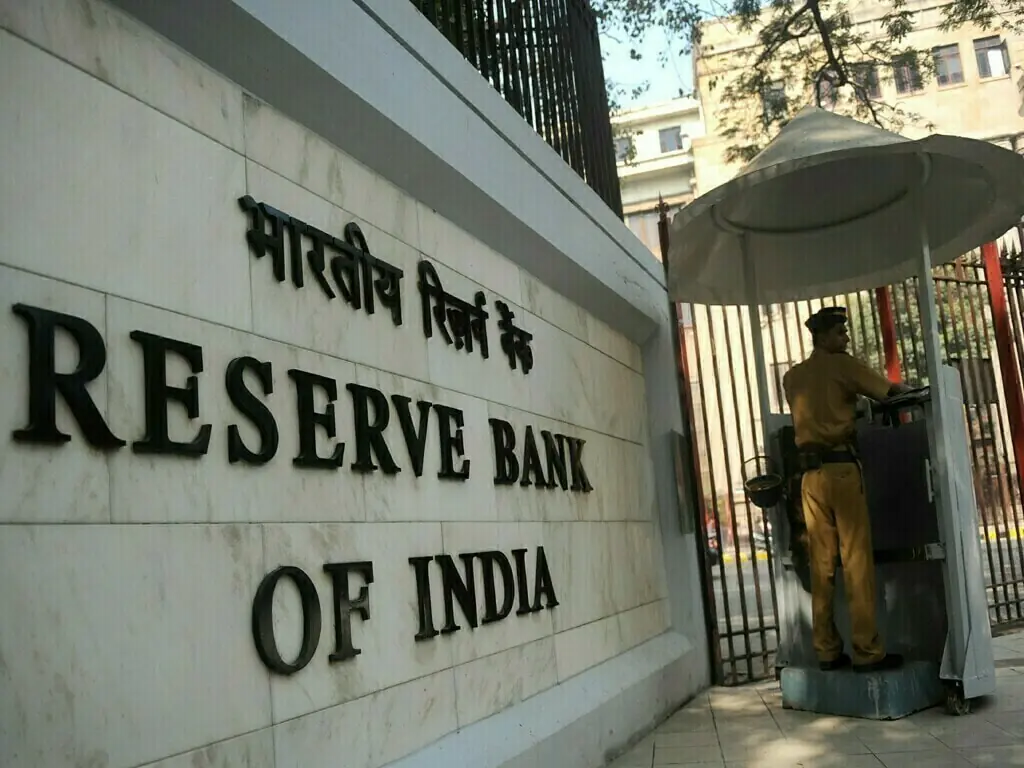

MUMBAI: The Indian central bank’s push for states to disclose the maturity profile of planned debt sales by state governments is seen supporting demand for these securities by providing long-term investors with greater clarity.
In a first, nine Indian states announced the duration of their bond supply, issuing securities in specific benchmark tenor buckets as per a pre-announced calendar, the Reserve Bank of India said.
Investors had long pushed for states to align their borrowing disclosures with the central government, which provides maturity details.
The size of state debt issuance has grown in recent years, drawing close to parity with the size of India’s sovereign debt issuance in the financial year that ended March, increasing the importance of this category for fixed income investors.
“For long-term investors like insurers, it would be easy to plan investments if the maturity buckets are known. This is what we had requested to the regulator as well,” said Vidya Iyer, head of fixed income at ICICI Prudential Life Insurance.
India’s sub-sovereign borrowing costs surge above 8%, highest since July 2022
Of the 2.55 trillion rupees ($27.47 bln) that states plan to raise through bonds in the April–June period, 1.54 trillion rupees or 60% will come from the nine states providing maturity details.
This move brings state borrowings a step closer to the borrowing framework of the central government, which specifies maturity-wise borrowing in its borrowing calendar, rating agency ICRA said.
Bankers said that greater transparency on maturity profiles will enhance auction demand, noting that the lack of clarity previously had resulted in market anomalies, with uncertainty around both the size of supply and its distribution along the yield curve.
Demand from insurers that are currently active in bond forwards should improve, Iyer said.
“If we are getting some yield pick-up for a longer period (beyond 15 years), we are agnostic between state and central government debt. So instead of crowding the 10–15-year bucket, they could move upwards and elongate their borrowing.”
Investors added that with clarity on the tenor of supply from states for the next three months, they could potentially increase their trades in derivatives like floating rate agreements (FRA) and bond forwards.
FRA, a derivative instrument used to hedge interest rate fluctuations, is a contract between two parties where actual securities are not delivered and only the price differential is settled.
Bond forwards, which were introduced by the RBI last year, mandate delivery of the underlying securities, a major demand from insurers.




















Comments