


India to borrow 8.2 trillion Indian rupees via bonds in 1H, cuts ultra-long debt supply
- Traders expected New Delhi to borrow around 53% to 56% in the first half of the fiscal year that begins on April 1
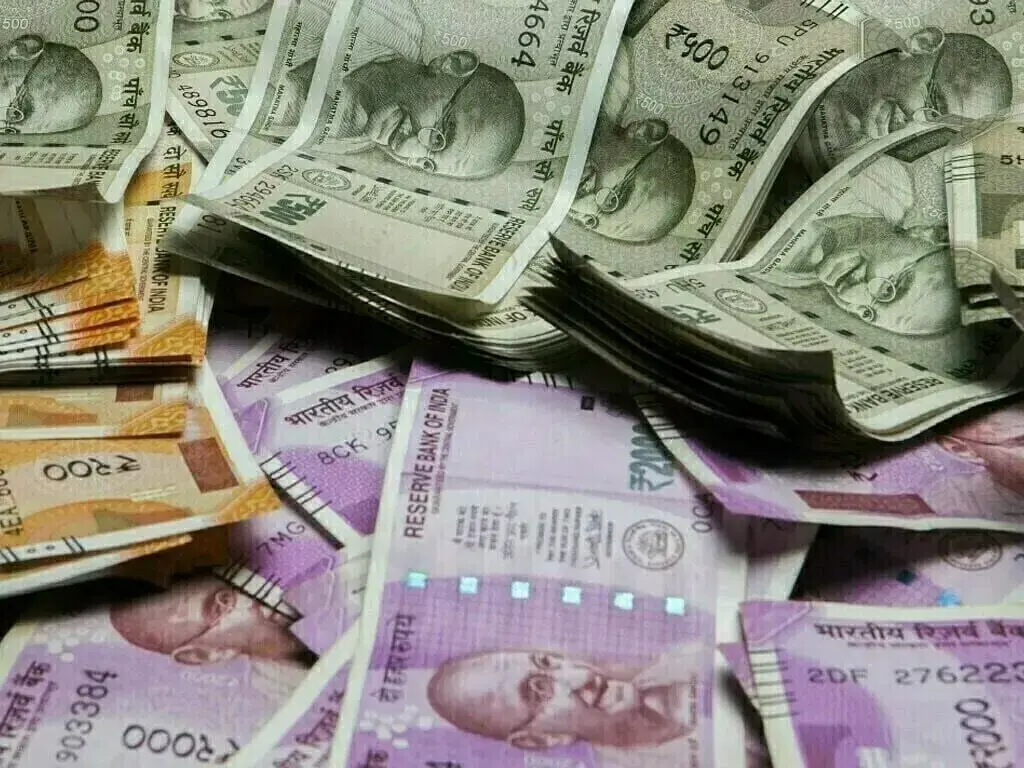

MUMBAI: India’s federal government will raise 8.20 trillion Indian rupees ($86.38 billion) through bonds between April and September, amounting to 51% of its annual borrowing plan, the finance ministry said on Friday.
Borrowing through so-called ultra-long bonds of 30-to-50-year duration was lowered last year to 24.9% from 35% in April-September and 30% in October-March.
Traders expected New Delhi to borrow around 53% to 56% in the first half of the fiscal year that begins on April 1.
In the budget presented on February 1, the government had pegged its full-year gross borrowing at a record 17.20 trillion rupees. Multiple bond switch operations since then have lowered the borrowing to 16.09 trillion rupees, according to the ministry.
India’s sub-sovereign borrowing costs surge above 8%, highest since July 2022
New Delhi had borrowed 54% of its fiscal 2026 borrowing in the first half of the year.
Indian bonds, stocks and rupee have sold off over the last month as the Iran war and the resultant energy shock have worsened the growth and inflation outlook for Asia’s third-largest economy.
The 10-year bond yield spiked to a 20-month high of 6.95% earlier in the day, and the rupee slipped past the 94-per-dollar level for the first time.
The borrowing programme is less front-loaded than what was seen in recent years, potentially helping cool the recent spike in yields. Yields would likely ease once the West Asia conflict resolves, and it would be prudent to defer some borrowings until then, said Aditi Nayar, chief economist at ICRA.
Benchmark supply
The government has raised the share of the benchmark 10-year bond in the total borrowing to 29% from 26.2% in the same period last year.
It also raised the auction size for the note to 340 billion rupees in April-September from 320 billion rupees for the previous six months.
Indian rupee slumps to record low past 94/USD, set for worst fiscal in more
The funds will be raised through bonds maturing in three, five, seven, 10, 15, 30, 40 and 50 years.
No new tenor papers have been launched but the government plans to sell 150 billion rupees worth of green bonds.
The government will also sell 2.88 trillion rupees of treasury bills in April-June.


























Comments
Comments are closed for this article.