


Food commodities: Govt decides to boost exports to war-torn Gulf
- PM Shehbaz chairs a high-level review meeting on the export of key food commodities to Gulf countries
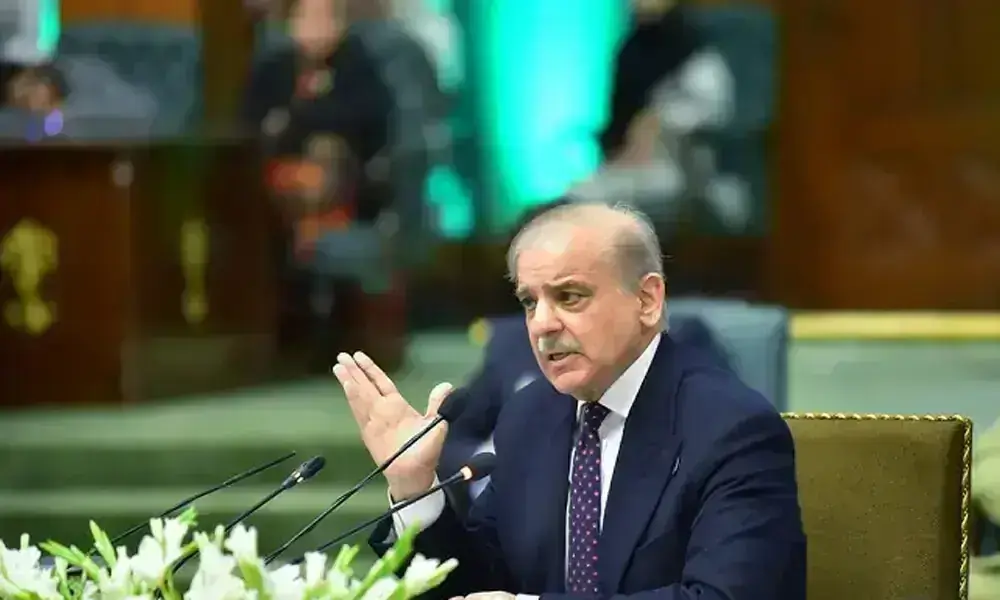

ISLAMABAD: Prime Minister Shehbaz Sharif on Wednesday directed authorities to strengthen coordination with Gulf countries to ensure a steady supply of essential food items, emphasising that Pakistan has a strategic role to play in regional food security amid global supply chain disruptions.
Chairing a high-level review meeting on the export of key food commodities to Gulf countries and the country’s maritime operations, Sharif stressed that Pakistan must leverage its agricultural abundance to support Gulf states without compromising domestic food needs.
“It is Pakistan’s duty to meet the food requirements of Gulf countries while ensuring our own citizens’ access to essential commodities,” he added.
READ ALSO: Special committee approves 40 food items for export to Gulf countries
The PM directed officials to expedite export operations, streamline decision-making across government institutions, and enforce strict accountability for any delays.
He further called for the formulation of a comprehensive plan to increase flight operations at Karachi, Gwadar, and other major international airports, signalling a drive to diversify transport channels for food exports.
Participants at the meeting were briefed on measures already underway to facilitate trade with Gulf markets. Officials noted that a special committee overseeing export promotion had approved 40 food items for international shipment, including rice, cooking oil, sugar, meat, poultry, powdered milk, dairy products, fruits, and vegetables.
Authorities have compiled a database of exporters actively engaged with Gulf countries and confirmed that no additional charges will be imposed for exporting perishable goods such as fruits, vegetables, and meat.
Sharif expressed satisfaction with the strategies developed and praised the performance of departments and officers managing the export initiatives.
“The progress made so far is commendable,” he remarked, highlighting the need for consistent monitoring of both domestic supply and foreign demand.
During the briefing, officials indicated that both air and sea routes will be utilised to maximise export capacity.
Business-to-business meetings and webinars with Gulf partners are ongoing to strengthen trade relations, and Karachi and Bin Qasim ports remained fully operational during the Eid-ul-Fitr holidays.
To increase transshipment capacity, off-dock terminals have been authorised to handle shipments, with corresponding amendments made to customs regulations.
Transportation rates at ports have been reduced by up to 60 per cent, and dedicated export facilitation desks have been activated.
Officials also noted that the government is prioritising berthing for oil tankers bringing crude oil, reflecting a broader strategy to streamline maritime operations amid regional logistical pressures.
The meeting was attended by Deputy Prime Minister and Foreign Minister Ishaq Dar, Defence Minister Khawaja Asif, Planning Minister Ahsan Iqbal, Law Minister Azam Nazir Tarar, Finance Minister Muhammad Aurangzeb, National Food Security Minister Rana Tanveer Hussain, Information Minister Attaullah Tarar, and Maritime Affairs Minister Chaudhry Junaid Anwar, along with special assistant to the prime minister on industries Haroon Akhtar and other senior officials.
Copyright Business Recorder, 2026

























Comments
Comments are closed for this article.