


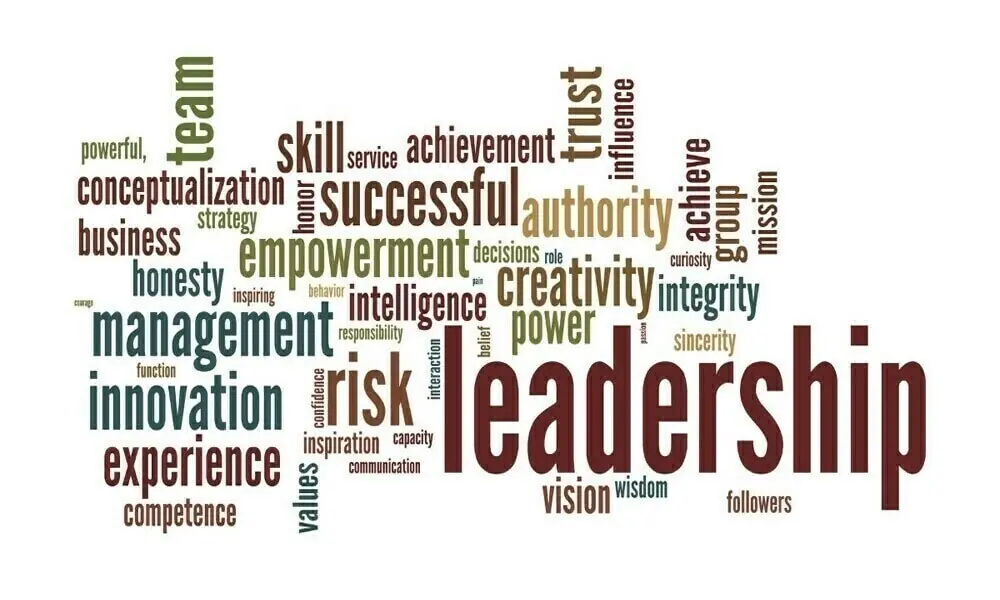

He is a great manager. He is a capable functional head. He delivers. He is diligent. His team likes him. But, there is something missing. This feedback is perplexing. This feedback is encouraging. This feedback is discouraging. Discouraging because if you are managing so well, what else do you want? Apparently, all the boxes are ticked. Seemingly, all criteria for promotion are fulfilled. But somewhere, something is amiss. In my recent meeting with an HR head to discuss a prospective coachee, this missing factor was the topic of an in-depth discussion. The HR described it as the X factor to lead. They felt that the individual under discussion was such a good manager that he was unable to make the transition to be a leader. This is not an uncommon complaint. Gartner and Center for Creative Leadership indicates that 60 percent of new managers fail within the first two years of being promoted to a leadership role.
The major reason for this fall from the leadership ladder is the assumption by the company that a good manager will be a good leader. While this may be true in certain cases, it is untrue in majority of the cases. The obvious reason is being that both roles require different skill sets. The very fact that as a manager your solid ten plus years has made you such a reliable candidate may work against your leadership ability. As a manger your ability to execute and get execution done matters. As a leader the ability to create, anticipate and precipitate matters more. These are not just additional tasks; they are a whole new horizon that most managers have not been exposed to. Let us look at where the mangers stumble in their rise to the top:
Stumble#1— The Mindset needs a reset- The thinking process that works for a manager does not work for a leader. The manager waits for the top leaders to hand over the yearly targets. He works with his team to achieve them. He is the firefighter ensuring goals are met in the toughening market conditions. He is basically and operational head who manages the workload in the given time and resources. Leadership requires a thinking process beyond the year, beyond the crisis, beyond the team. This reset required in the mindset becomes the biggest challenge in making that transition to the C-Suite. If we could download the thinking going on in a manager’s mind and that going on in the leader’s mind, we could see two different patterns. The problem with mind patterns is that they become hardwired when they happen every day for years. That is why the new patterns take time or just fail to make their way in the established patterns of managerial thinking.
Stumble#2— The prioritization remix- As a manager what matters more is different from the priorities that a leader matter to a leader. The manager will have a great role in cascading the vision, objectives of the top management to the frontline. They will look at the things from their own scope of activities. A branch manager will be prioritizing having a profitable branch. He will be focusing on the customer mix. He will be collating information from the team and sharing it with the head office. That changes as he becomes the regional manager or the zonal manager. His approach has to become more holistic and more integrated. His ability to select the right person for the right job, rotate talent, and develop synergies will count more. This may require more time, some push and lots of training.
Stumble#3— From functional to conceptual— Heading a whole function is more about handling moods, perceptions and lobbies than about technical prowess. The IT head may be a tech wizard but if he is not able to have a favourable impression in the leadership team, his brilliance may go waste. As an IT manager you may be developing great IT services and products but as an IT head, can you handle conflicting egos in the C-Suite?
To prevent from falling from the leadership grace the organisation must try:
Solution#1— Embark on the leadership journey— The real game changer is not the talent hunt but the leader hunt. This hunt should be done early and with a cogent plan. The first step is to design your own LPF, i.e., leadership potential framework. This framework should have identifiable and measurable traits and behaviours that you need to hunt for. The three main fundamentals that the hunting should spot search are CQ, i.e., does this manager have conceptual thinking ability? The next is his AQ, i.e., does this manager have the adaptability ability to manage 360 degree relationships? The third one is the EQ, i.e., how does the manager deal with his own and other people’s emotions? These need to be part of the observation and assessment leadership preparation plan. This process will help hunt and narrow on those who show signs of working beyond the job descriptions of managing.
Solution#2— Rotate the learning climb— The first screening may be performance. The second screening is the LPF assessment. In the third screening the manger is then rotated for short periods to different functions. If you are considering him for the Customer Quality Head, then put him in projects away from this function. His business horizon and knowledge about markets, supply chain, geo politics, etc, may be increased to enrich his thinking from just focusing as a team head.
Solution#3— Project leadership testing— The final point is to make him an understudy of the person he is supposed to replace. This is a sensitive area as this may create insecurity in people who may make it difficult for him to survive. That very test of coping with such people is also a test. The company and HR should ensure that if such an environment exists, enough support is available for the candidate in question to tackle such issues.
The most talented of individuals without learning and support becomes a case study of mismanagement and miscarriage of leadership. The key is early hunting, spotting the right behaviours and giving ample learning opportunities. In a coaching assignment that I did with such a manager, what worked was a patient pursuit of leadership maturity. He was a high performing manager and a low performing leader. The work that needed to be done was on his CQ and AQ. In the beginning the process was stuttering. It took over a year for it to become smooth. Presently, the same person who was being considered as “low” leadership potential is the most promising leader heading 25 countries. Managers are not born and leaders are not made. Ultimately, it is not a duel between nature “versus” nurture; it is the fuel between nature “and” nurture.
Copyright Business Recorder, 2026
The writer is a columnist, consultant, coach, and an analyst and can be reached at [email protected]























Comments
Comments are closed for this article.