


Soaring offshore FX swaps signal anxiety over Indian rupee outlook
- A spread around 100 seems very high. However, it is a broken market and (the spread) could go higher
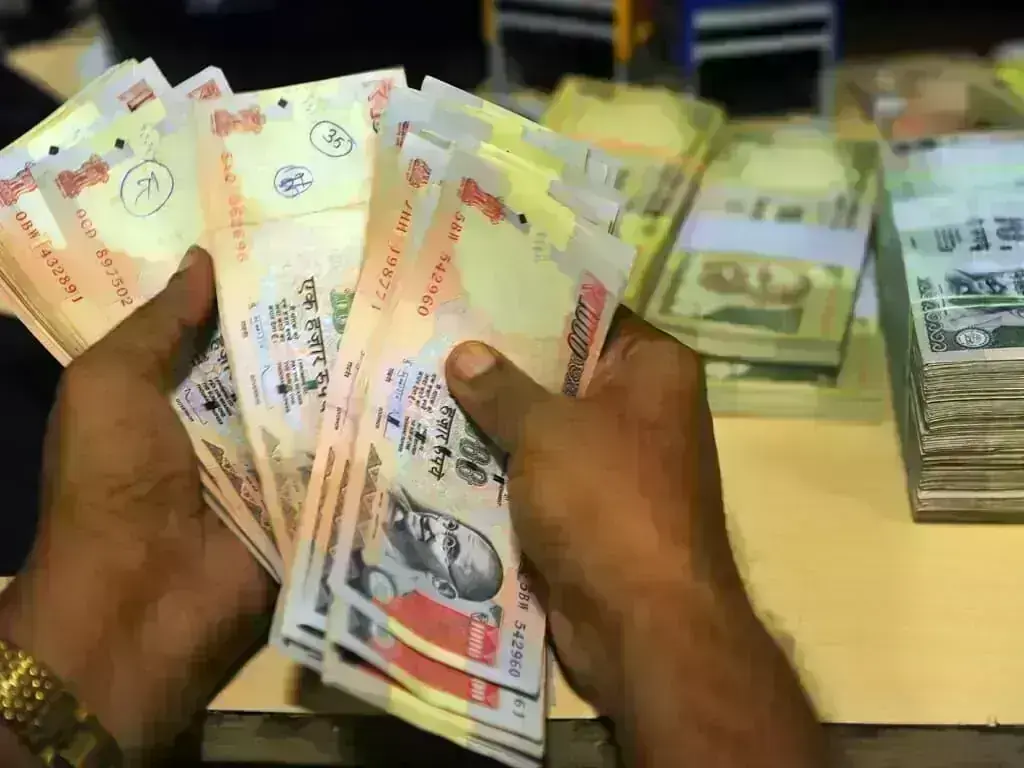
MUMBAI: The gap between offshore swaps used to wager on India’s policy rates and those that reflect the cost of hedging against a weaker rupee is widening, hinting at worries over the currency’s outlook as the Iran war threatens the net energy importer.
The one-year non-deliverable overnight index swap (NDOIS), a key gauge for India’s policy rate expectations, has climbed 50 basis points since the Middle East conflict started.
The one-year dollar/rupee non-deliverable currency swap, which factors in the cost of hedging rupee exposure, has jumped more than 90 bps, reflecting pressure from hedging and speculative flows.
The spread between the rates has widened to more than 100 basis points from 60 basis points before the war broke out on February 28.
This widening gap is largely driven by concerns over the rupee, considering its recent trajectory, a rates trader at a Singapore-based hedge fund said, declining to be identified as they are not authorised to speak to the media.
“A spread around 100 seems very high. However, it is a broken market and (the spread) could go higher.”
Indian rupee gets a breather, contradictory signals on Iran war keep traders cautious
OIL PAIN
A 40% jump in crude prices has intensified pressure on the rupee, which had already been under strain prior to the Iran war. The currency slid more than 1% over the last two sessions to near the 94-per-dollar mark.
While a pullback in oil offered marginal relief on Tuesday, the rupee has fallen more than 3% since the war began, despite interventions by the central bank across spot, forward and the non-deliverable forward markets.
Investors are betting on a prolonged oil price jolt by pushing rates higher, with NDOIS forecasting at least 50 basis points of rate hikes over the next year.
Analysts at Goldman Sachs expect India’s central bank to deliver two rate hikes over the remainder of 2026, noting that while inflation is within the 2%-6% tolerance band, the rupee has been under pressure, and the pass-through to retail prices is likely to be significant.
A 5% fall in the rupee adds about 35 basis points to retail inflation, as per central bank estimates.
“India is unlikely to operate sustainably at current policy settings if inflation moves closer to ~5-6%, given a neutral real rate of 1.4–1.9%. This suggests that tightening risks rise meaningfully under a sustained energy shock,” said Vivek Rajpal, Asia macro strategist at JB Drax Honore.





















Comments
Comments are closed for this article.