


India proposes changes to companies law to allow more buybacks, fast-track mergers
- The proposed changes give flexibility to some companies to do two buybacks a year with a gap of at least six months, according to the bill

NEW DELHI:AC India has proposed amendments to its companies law to allow some firms to undertake two share buybacks in a year from only one earlier, and to simplify procedures for “fast-track” mergers and acquisitions.
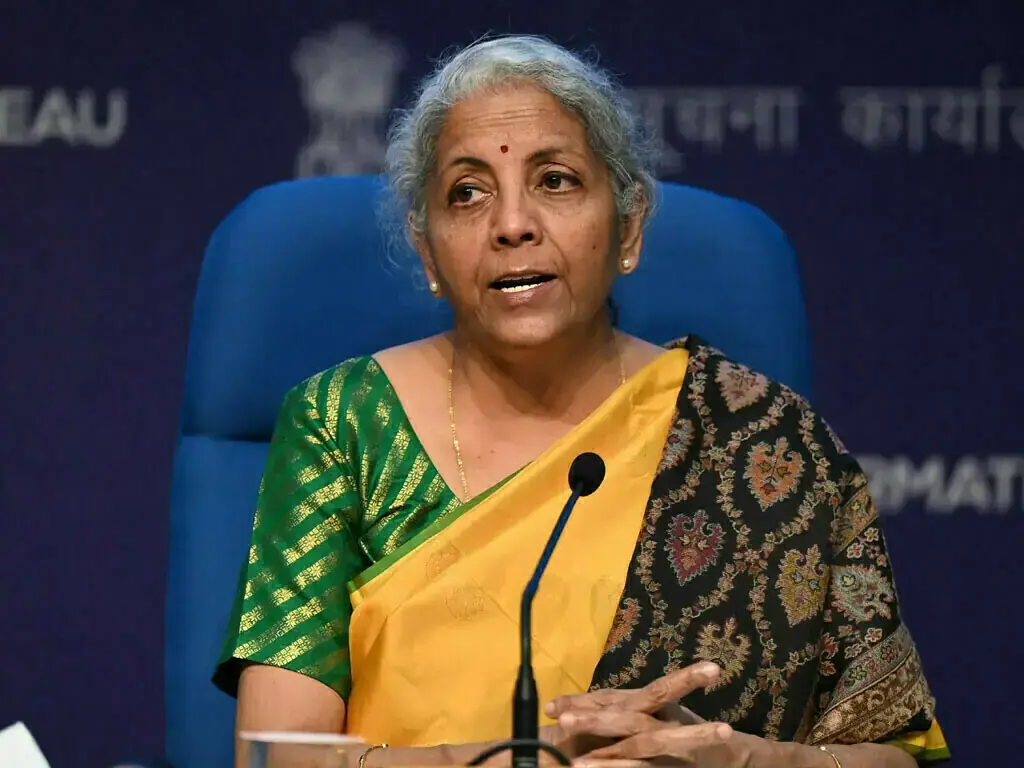
Finance Minister Nirmala Sitharaman on Monday presented the Corporate Laws (Amendment) Bill, 2026 in the lower house of the parliament, that aims to promote ease of doing business and simplify compliance and regulations. The bill will become a law after it is approved by both houses of the parliament.
The proposed changes give flexibility to some companies to do two buybacks a year with a gap of at least six months, according to the bill.
“Buy-back through tender offers is an efficient way of returning surplus funds to shareholders and it is proposed to allow prescribed class of companies to avail such mechanism,” it said. The category of companies would be notified by the federal government.
For companies with strong cash flows and low leverage, this could become a faster and more efficient tool for capital distribution than paying out dividends, while also giving promoters and boards greater agility in managing capital structure and shareholder value, said Atul Pandey, partner at law firm Khaitan & Co.
India’s privatisation drive derails because of weak investor interest
The government has also proposed decriminalising certain defaults under the companies law by replacing criminal provisions with civil penalties.
“The amendments aim to decriminalise more offences, enhance ease of doing business, and align India’s corporate framework with global best practices,” said Anjali Malhotra, a partner at law firm Nangia Global.
The bill also proposes to ease compliance for Alternative Investment Funds (AIFs) registered as limited liability partnerships (LLPs).
Permitting the setting up of AIFs as LLPs could help in clearly defining their liability and governance frameworks, Malhotra said.
Fast track mergers
The government has proposed simplifying of procedures for fast-track mergers and amalgamations in deals where shareholders holding at least 75% in both firms approve the transaction. This would include mergers among holding firms and subsidiaries, small companies and startups, Malhotra said.
India’s February retail inflation accelerates to 3.21% y/y
The merger application can be filed before the company law tribunal having jurisdiction over the transferee company, according to the bill.
The changes also clarify that companies undergoing liquidation under India’s insolvency law cannot pursue mergers or enter into compromising arrangements.
More powers to auditing regulator
The bill seeks to expand the powers of the auditing and accounting regulator, National Financial Reporting Authority, including broadening the definition of “professional misconduct” to cover violations of company law by auditors.
The bill proposes stricter enforcement, including imprisonment terms, debarring auditors, and fines for failing to comply with orders issued by the regulator.


























Comments
Comments are closed for this article.