


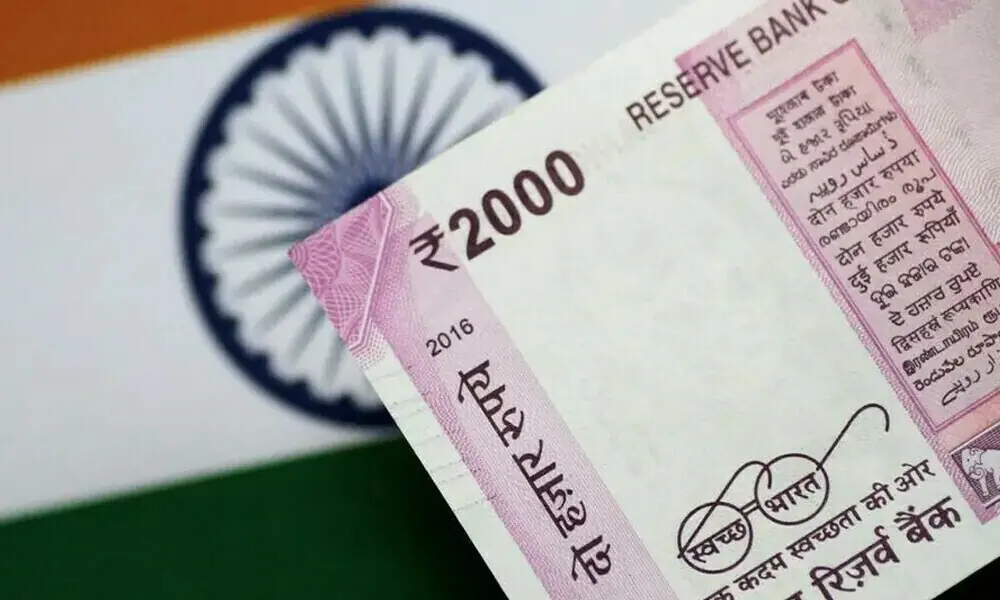

India is now the world’s 4th largest economy while Pakistan is 45th, and in PPP terms India is 3rd while Pakistan is 25th. India’s population is about 6 times that of Pakistan and with a much greater human resource it is only natural and expected that India’s economic performance would be higher than that of Pakistan. The pressing question is how much higher?
Based on current data, should India’s GDP both on a nominal and PPP basis be about 11 times that of Pakistan’s (USD 4.5 trillion vs USD 0.40 trillion and USD 19 trillion vs USD 1.8 trillion), and should India’s liquid foreign exchange reserves be 34 times higher than Pakistan’s (USD 717 billion vs USD 21 billion), and should India’s export of goods and services be 26 times higher than those of Pakistan (USD 825 billion vs USD 32 billion)?
A careful analysis shows that this vast disparity maybe due to different factors, but the overriding reason appears to be “education”! A more educated and skilled populace in India has resulted in higher economic productivity, innovation and global influence.
A higher adult literacy rate of 81 percent compared with Pakistan’s 63 percent, the lowest in South Asia, is derived from a robust and compulsory schooling system and many globally ranked universities which have successfully prepared Indians to compete for leading roles and positions in the highly competitive world market.
Although Pakistan’s Constitution mandates the State to provide free and compulsory education to all children aged 5 to 16, the 7th Population & Housing Census 2023 reported over 25 million out of school children, the highest in the world after Nigeria.
India, on the other hand, has just over 1 million out-of-school children, as reported by the Education Ministry. Thus, Pakistan faces an educational crisis as one in three children is not receiving any formal education!
The result is that Indianorigin executives have a significant global footprint in technology, consumer goods, finance, and broader corporate leadership.
For example, Indian-origin CEOs are leading technology companies such as Microsoft, Alphabet, Cadence Design SystemsGoogle, Adobe, IBM, YouTube, Micron Technology, Honeywell; there are CEO’s of consumer goods and corporate leadership namely Chanel Ltd., Cognizant, Starbucks; and heads of finance and healthcare such as President, World Bank Group and CEO of Vertex Pharmaceuticals, a major biotech company.
Indians are also rising in diverse sectors beyond tech -in consumer goods, luxury, telecom, biotech, and global finance. By contrast Pakistani-origin CEOs are far less represented in top Fortune 500 mega-cap leadership roles compared to Indian-origin executives; though this may not be solely capability driven as there are only some 0.8 million diaspora of Pakistan origin compared with some 5 million Indian diaspora in the US.
Having defined the shortfalls and the areas where we are falling behind is just the start of the process as the real challenge lies in making up for lost time, finding solutions, developing plans and taking concrete steps to bridge the gap.
What now needs to be done, and how should this be done? The country’s long-term prosperity and progress depends on recognition of the issues, and the overarching literacy challenge must be addressed on a war footing.
Aim for 70 percent literacy by 2030 and 80 percent by 2035. There must be visible and defined action in government plans with adequate resources carved out to achieve this. Our next article will focus on proposed plans for increasing literacy and setting achievable targets, plans, and resource allocation to this end.
Copyright Business Recorder, 2026




















Comments
Comments are closed for this article.