


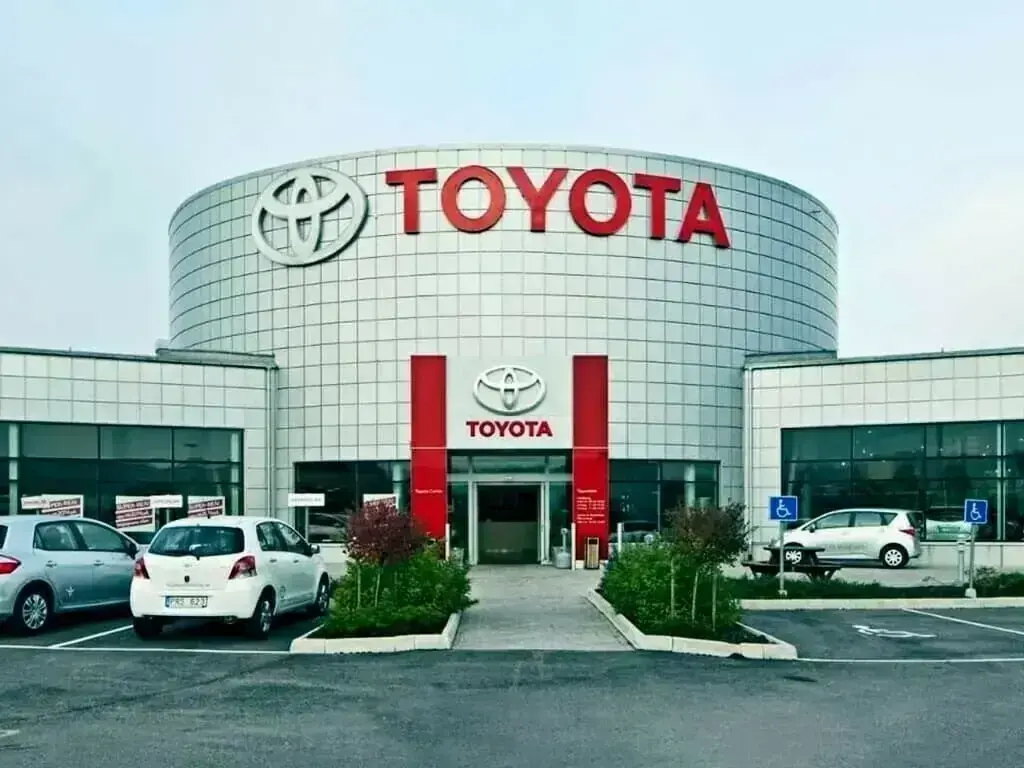

Indus Motors (PSX: INDU)is doing just fine. After spending the past two years in a state of daze, like others, volumes are recovering and so is the company’s bottom-line—not that it was ever really in trouble.
In Dec-25, volumes have surged by 67 percent driving a revenue growth of 33 percent as net margins held within a tight 9-11 percent band. As a legacy assembler, Indus Motors is coming out of a subdued demand cycle and entering an increasingly competitive landscape, but it remains stable as it continues to maintain market share.
This is not to say that the pressure is on existing OEMs to deliver. The company’s revenue and costs per unit have been declining, though the latter not fast enough to protect gross margins that have oscillated between 13 percent and 17 percent. As a result, net profit per unit sold has been falling as well, depending on the sales mix each quarter.
The company takes cost controls seriously. Its strength lies in contained overheads (within 2-3% of revenue), and negligible finance costs which are bolstered by a notable contribution of other income that are derived from cash advances and short-term investments.
In Dec-25, other income were 51 percent of after-tax earnings that adequately made up for reduced gross profits. Other income support continues to cushion earnings volatility. While Indus Motors is profitable, it increasingly relies on financial and ancillary buffers to smooth cyclical swings.
In contrast to Indus Motors is the rising Sazgar Engineering that is upending industry norms by outsizing per unit profits despite selling far lower volumes than Indus Motors.
Against Indus Motors margins of 13-17 percent, Sazgar’s are much higher—in the range of 24-25 percent. Though Indus Motors volumes are still double of Sazgar, the pace with which the company has grown its profitability is testament to the high-margin, moderate volume business model it boasts.
Indus Motors continues to be the volume leader and uncontested in terms of its operational discipline. But a market that is becoming more receptive to new entrants and premium positioning will give the company that much needed competition.
Is it business-as-usual in the Pakistani house of Toyota or will the company sprint into action? Does the company’s leadership care about relative profitability as it shares more of the market with new players, or is it sitting comfortable in the knowledge that it has scale, diversity and an enviable bottom-line that continues to grow.

























Comments
Comments are closed for this article.