


High inflation, weak growth push more Pakistanis into poverty, reveals govt report
- Both real household income and consumption have declined since 2018-19.
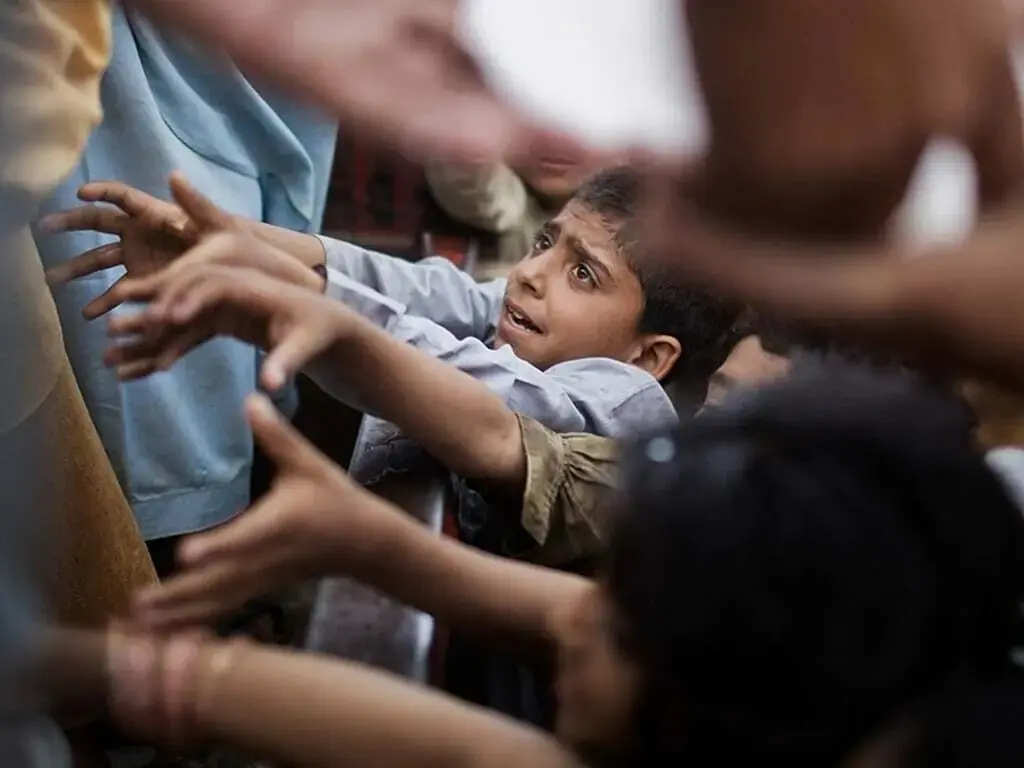

Pakistan’s poverty rate has climbed sharply in 2024–25 as years of high inflation, weak economic growth and repeated shocks eroded household purchasing power, according to the Poverty and Inequality Estimates 2024-25.
As per the report, both real household income and consumption have declined since 2018-19.
“Although nominal household income increased from Rs35,662 in 2015-16 to Rs41,545 in 2018-19 and further to Rs82,179 in 2024-25, this rise was far outpaced by inflation, causing real incomes to fall,” read the report.
The poverty figures reflect various macroeconomic pressures, mainly low GDP growth, high inflation that eroded households’ purchasing power, along with natural calamities and external shocks, “which had adverse welfare implications in these years, resulting in a rise in poverty”.
As a result, Pakistan’s poverty rate has increased under the 2024–25 estimates, with national poverty rising from 21.9% to 28.9%, while rural poverty saw a sharper increase from 28.2% to 36.2% and urban poverty from 11% to 17.4%.
Poverty in Punjab increased from 28.4 to 32%, Sindh recorded a rise from 29.7 to 35.9%, Khyber Pakhtunkhwa moved from 24.8 to 29.4%, and Balochistan, though starting from a lower base, rose from 21% to 26.5%.
Poverty & economic inequality escalate in 7-year span: Ahsan
The report noted that despite recent macroeconomic improvement, households experienced prolonged real income compression due to historically high inflation, energy price adjustments, exchange rate depreciation, and higher taxation, especially indirect taxes.
“These factors increased the cost of essential consumption while eroding purchasing power,” it said.
It revealed that nominal income growth has lagged cumulative price increases, resulting in sustained real income declines, particularly for fixed-income earners, informal workers and the farming community due to certain policy changes.
“Consequently, stabilisation has not yet offset the income losses and welfare deterioration experienced during and after the COVID-19 shock,” it said.

























Comments
Comments are closed for this article.