


Japan’s factory activity expands at fastest pace in four years, PMI shows
- The S&P Global flash Japan Manufacturing Purchasing Managers’ Index (PMI) rose to 52.8 in February from 51.5 last month
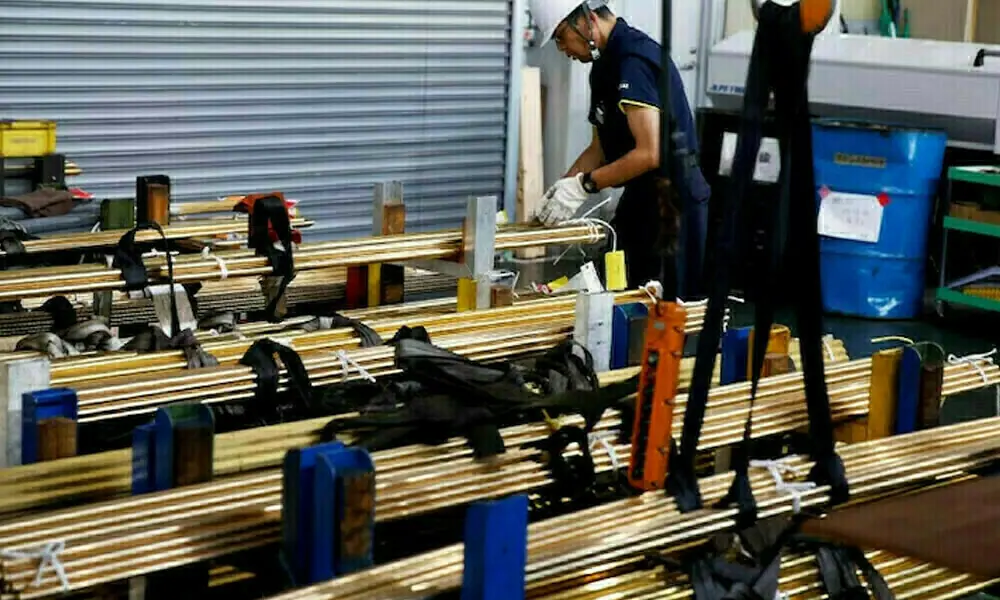
TOKYO: Japan’s manufacturing activity grew at its fastest pace in about four years in February, buoyed by strong domestic and overseas demand, a private sector survey showed on Friday, an encouraging sign for Prime Minister Sanae Takaichi’s economic revival plans.
The S&P Global flash Japan Manufacturing Purchasing Managers’ Index (PMI) rose to 52.8 in February from 51.5 last month, marking the strongest growth since May 2022.
Readings above 50 indicate growth in activity, while those below 50 signal contraction.
“The manufacturing industry saw a notable improvement in growth momentum, and broadly matched the solid pace seen across the service sector to suggest that the upturn has become more broad-based,” said Annabel Fiddes, Economics Associate Director at S&P Global Market Intelligence.
Key sub-indexes for both factory output and new orders extended their growth in February, with firms often noting solid underlying demand conditions and the positive impact of new product releases.
The robust overseas demand helped drive the fastest pace of growth in new export orders in eight years.
The services sector also maintained its robust performance, with the flash Japan services PMI rising to 53.8 from 53.7 in January.
This expansion was the quickest since May 2024.
The broadly upbeat results of the survey should provide encouragement to Takaichi, who took her Liberal Democratic Party to a sweeping election victory on February 8 on the back of promises to revitalise the economy and address cost-of-living pressures.
The flash Japan composite PMI, which combines both manufacturing and services activity, increased to 53.8 in February from 53.1 in January, marking the fastest pace of growth since May 2023.
“Improved demand conditions also shifted some pricing power back to firms amid marked cost pressures,” Fiddes said. Indeed, a rise in input costs prompted companies to increase selling prices at the quickest rate since May 2024.
Looking ahead, Japanese firms expressed increased optimism about future business activity, with sentiment reaching a 15-month high.
Companies are banking on continued strong demand for semiconductors and AI-related technology, while some firms were upbeat about the outlook following the election win by Takaichi’s ruling coalition.


















Comments
Comments are closed for this article.