BR100 Increased By (0.62%)
BR30 Increased By (0.87%)
KSE100 Increased By (0.41%)
KSE30 Increased By (0.4%)
BECO 6.08 Increased By ▲ 0.31 (5.37%)
BML 52.99 Decreased By ▼ -0.01 (-0.02%)
BOP 34.34 Increased By ▲ 0.35 (1.03%)
CNERGY 8.17 Increased By ▲ 0.06 (0.74%)
DCL 12.05 Decreased By ▼ -0.15 (-1.23%)
FCCL 53.41 Increased By ▲ 0.58 (1.1%)
FCSC 5.13 Increased By ▲ 0.06 (1.18%)
FFL 18.08 Increased By ▲ 0.13 (0.72%)
FNEL 1.32 Increased By ▲ 0.03 (2.33%)
HUMNL 10.93 Increased By ▲ 0.05 (0.46%)
KEL 8.13 Increased By ▲ 0.11 (1.37%)
KOSM 5.33 Decreased By ▼ -0.19 (-3.44%)
MLCF 87.13 Increased By ▲ 0.62 (0.72%)
NBP 187.09 Increased By ▲ 1.93 (1.04%)
PACE 10.67 Increased By ▲ 0.09 (0.85%)
PAEL 39.80 Increased By ▲ 0.38 (0.96%)
PIAHCLA 26.15 Decreased By ▼ -0.07 (-0.27%)
PIBTL 17.36 Increased By ▲ 0.69 (4.14%)
PPL 229.00 Increased By ▲ 0.82 (0.36%)
PRL 34.83 Increased By ▲ 0.15 (0.43%)
PTC 67.07 Increased By ▲ 1.74 (2.66%)
SEARL 90.62 Increased By ▲ 0.49 (0.54%)
SSGC 27.02 Increased By ▲ 0.42 (1.58%)
TELE 8.63 Increased By ▲ 0.35 (4.23%)
THCCL 58.55 Increased By ▲ 0.05 (0.09%)
TPLP 8.62 Increased By ▲ 0.40 (4.87%)
TREET 24.58 Increased By ▲ 0.05 (0.2%)
TRG 69.65 Decreased By ▼ -0.06 (-0.09%)
WAVES 9.95 Increased By ▲ 0.01 (0.1%)
WTL 1.29 Increased By ▲ 0.01 (0.78%)
By

ABIDJAN: Below-average rains in most of Ivory Coast’s key cocoa regions last week are expected to support the development of the next April-to-September mid-crop, farmers said on Monday.

Ivory Coast, the world’s top cocoa producer, is in its dry season which runs officially from mid-November to March, when rains are poor and scarce.

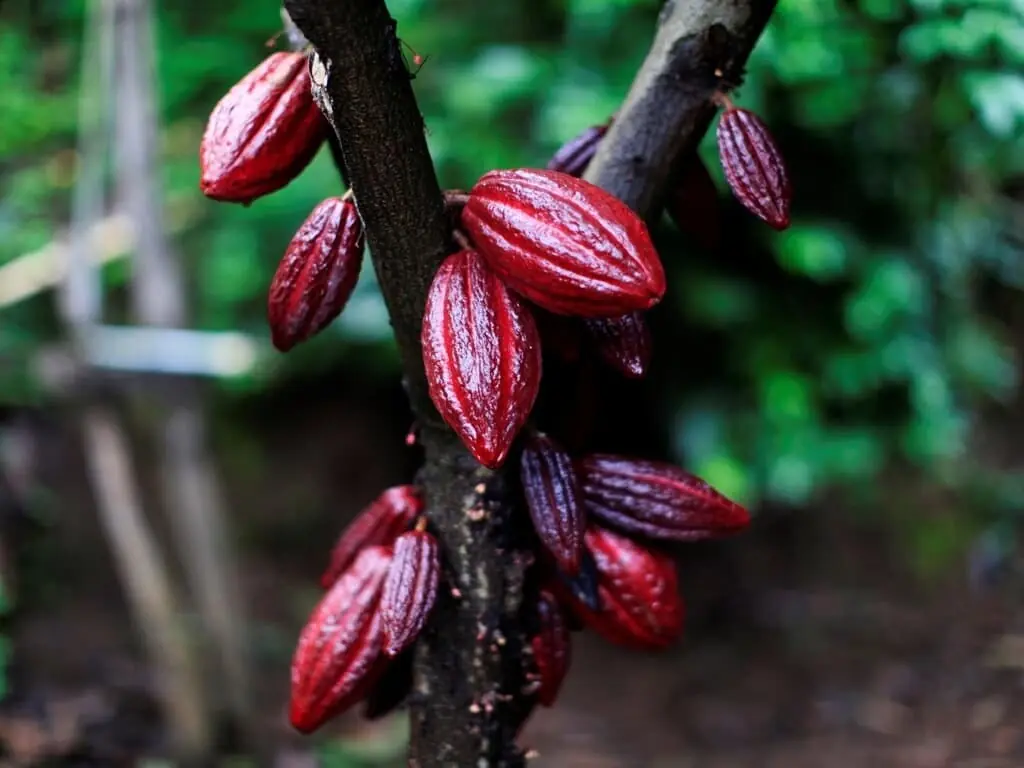
Farmers across Ivory Coast’s cocoa regions largely welcomed last week’s rainfall, saying it was sufficient to support the crop. They noted that flowers continue to proliferate on trees, with many transitioning into small pods.

Growers said February would be a critical month for determining the length and size of the mid-crop, noting that consistent weekly rainfall during the month would ensure a healthy harvest starting in May.

Farmers said regular rainfall in February would likely result in larger mid-crop beans compared to last year, adding that the harvesting period could also extend longer than the previous season.

Comments

200 characters remaining