


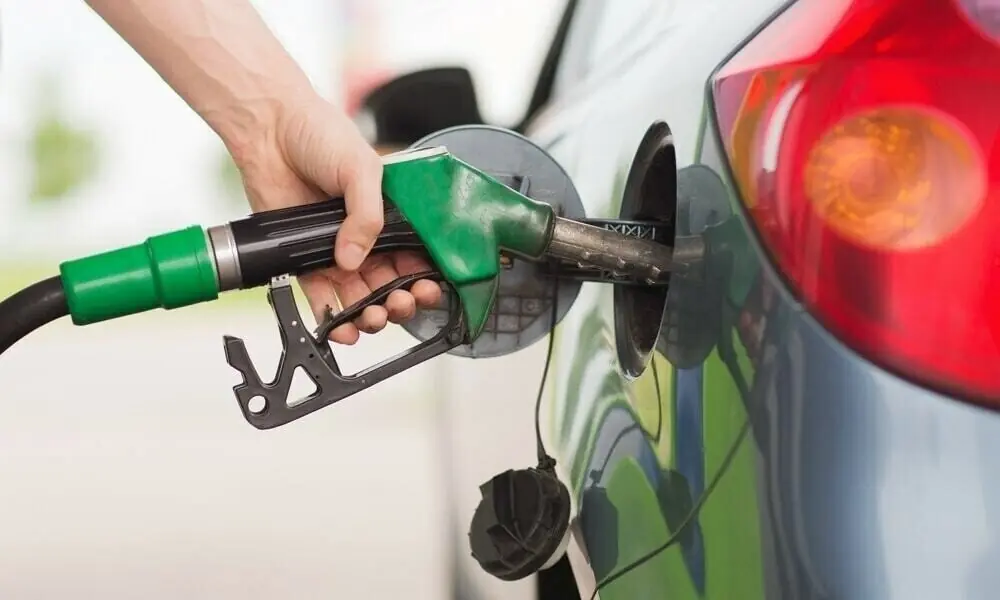

KARACHI: The Pakistan Business Forum (PBF) expresses grave concern over the persistently high petroleum prices in Pakistan and the widespread burden this places on households, businesses, and the national economy.
Despite international Brent crude trading at approximately USD 64 per barrel, with the actual cost of crude after freight, port charges, and refining standing at around PKR 125–126 per litre, consumers are forced to pay significantly higher prices at the pump due to excessive government taxation and associated charges.
PBF President Khawaja Mehboob Ur Rehman said as of the latest fortnightly notification, petrol is priced at PKR 253.17 per litre and high-speed diesel at PKR 257.08 per litre, of which nearly PKR 94–97 per litre consists of government taxes and levies, including approximately PKR 79–80 per litre as Petroleum Development Levy, PKR 2.5 per litre as Climate Support Levy, and PKR 12–15 per litre as customs and other charges, while the standard 18% GST is currently not applied to petrol and diesel. In addition, consumers also pay dealer margins of roughly PKR 8–9 per litre, which further contributes to the final pump price.
President PBF said this heavy taxation and margin structure means that nearly 40% of the fuel price consists of government levies, leaving the public to bear disproportionate burden that directly increases transportation costs, inflates the price of goods and services, raises electricity and utility bills, and diminishes household purchasing power, affecting salaried individuals, daily wage earners, farmers, and small businesses alike.
The economic impact is profound, with high petroleum prices driving cost-push inflation, reducing industrial competitiveness, discouraging investment, and slowing overall economic growth.
Similarly the agricultural sector is particularly vulnerable, as diesel is critical for tractors, irrigation pumps, and transport of produce. Rising fuel costs increase operational expenses for farmers, reduce profitability, discourage mechanization, and ultimately contribute to higher food prices, affecting all Pakistanis.
For businesses, high fuel prices and taxes inflate the cost of goods, transportation, and services, eroding competitiveness both locally and internationally, while creating uncertainty that deters new investment and limits job creation.
Pakistan Business Forum urges the Government of Pakistan to rationalize petroleum levies in line with global crude prices, reduce the Petroleum Development Levy to provide immediate relief, adopt a transparent fuel pricing mechanism, treat petroleum taxation as an instrument for economic stability rather than a short-term revenue tool, and support the agricultural sector with targeted fuel subsidies or exemptions to sustain productivity and stabilize food costs.
“When the real cost of fuel after refining is around PKR 126 per litre, yet consumers are compelled to pay PKR 253–257 per litre at the pump, the burden becomes unsustainable”.
Excessive petroleum taxation and high dealer margins are now a significant drag on households, agriculture, and businesses, fuelling inflation, discouraging investment, and impeding economic growth.
Urgent corrective measures are required to alleviate the suffering of the public and revive economic activity in the country.
Copyright Business Recorder, 2026




















Comments
Comments are closed for this article.