


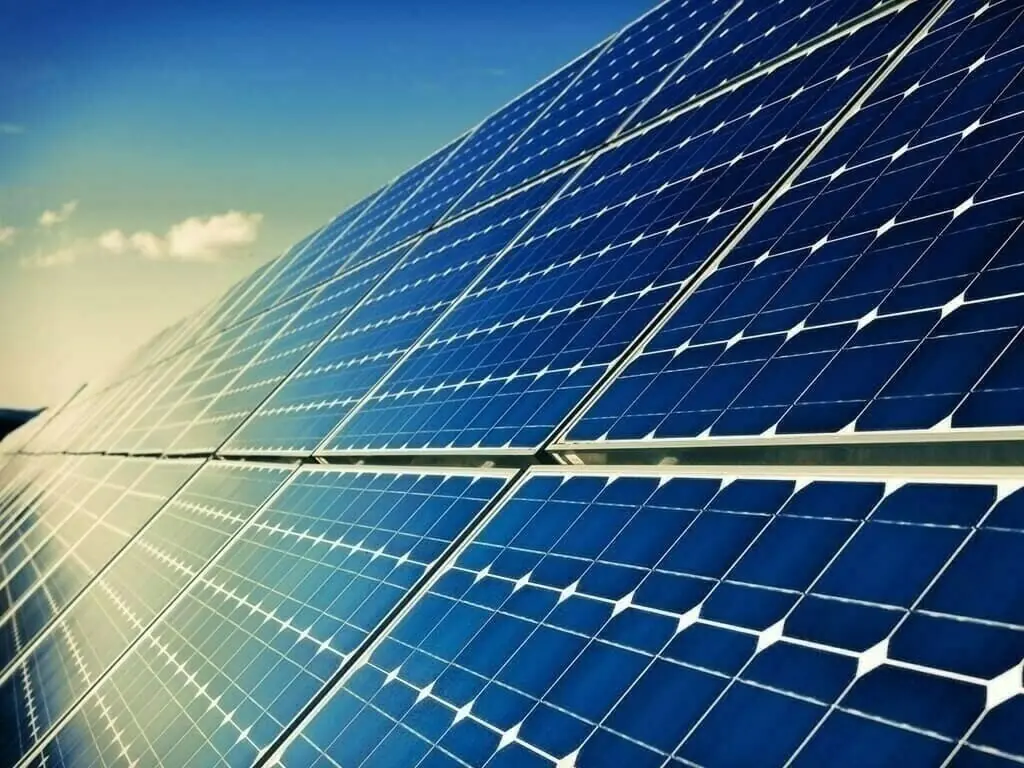

Proposed changes to Pakistan’s net metering framework, particularly the reduction in solar buyback rates, had the potential to mark a decisive shift in the country’s renewable energy policy. Intended to address mounting financial pressures on non-solar consumers and power distribution companies (Discos), the proposed reforms ultimately stalled amid public backlash.
Yet the underlying challenges remain unresolved. If Pakistan is to ensure long-term grid stability, equitable cost-sharing, and a sustainable solar transition, further policy refinement is unavoidable.
The discussion around net metering reform gained momentum during policy-level engagements between the federal government and the International Monetary Fund under the ongoing USD 7 billion loan programme. Energy sector reforms, revenue measures, and debt reduction were central to these negotiations, alongside proposals such as a carbon levy on fossil fuels, additional charges on coal-based power generation, and revisions to the net metering tariff regime. Within this broader reform agenda, rooftop solar emerged as a critical, but contentious, component.
Globally, countries facing high rooftop solar penetration have moved away from traditional net metering towards net billing systems. Under net billing, exported electricity is compensated at rates closer to wholesale prices rather than full retail tariffs. Germany, Australia, and several US states have already made this transition. California’s Net Energy Metering (NEM) 3.0 policy, implemented in 2023, reduced export compensation to roughly a quarter of the retail rate, ensuring solar prosumers continue to benefit from self-consumption while contributing fairly to grid costs. This approach reflects an important principle: the grid remains a shared asset that must be paid for by all users.
In Pakistan, the abrupt proposal to reduce the buyback rate from PKR 27 to PKR 10 per unit, followed by a subsequent attempt to revise it to PKR 11.3, triggered widespread public opposition and was eventually halted. However, the rationale behind the proposal was not without merit. Under the existing framework, non-solar consumers effectively subsidize rooftop solar users by bearing a disproportionate share of fixed grid costs, including transmission, distribution, and capacity payments.
The technical challenges associated with net metering further compound the issue. Most solar power is exported to the grid during daylight hours, when demand is relatively lower. Pakistan’s peak demand, however, occurs late at night and in the early morning hours, when solar generation is unavailable. High solar penetration has also resulted in voltage fluctuations and reverse power flows in certain localities, particularly where behind-the-meter installations are concentrated.
A study titled The Distributed Divide by Arzachel highlighted that increased solar penetration has reduced grid demand and energy sales by 8 to 10 percent. Even a 5 percent reduction in demand was estimated to shift a financial burden of PKR 131 billion onto non-solar consumers. Subsequent assessments by the Ministry of Energy placed this cost shift at approximately PKR 159 billion in the last fiscal year alone, underscoring the scale of the challenge.
International experience offers several policy tools to address these distortions. Australia, for instance, replaced flat solar export rates with time-of-use (TOU) pricing, aligning compensation with system demand. Spain introduced fixed monthly charges for solar prosumers to ensure contributions towards grid maintenance. Such measures recognise that while distributed generation delivers environmental and energy security benefits, it must be integrated in a manner that preserves system-wide financial sustainability.
Beyond tariff reform, accelerating the adoption of Battery Energy Storage Systems (BESS) is essential to ensuring the sustainable integration of rooftop solar in Pakistan. Storage enables consumers to use surplus solar energy during peak hours, reducing pressure on the grid, mitigating voltage instability and reverse power flows, and lowering dependence on centralised generation.
Targeted policy measures such as concessional financing, incentives for peak-hour discharge, and a clear regulatory framework for distributed storage, alongside a modest fixed grid charge for net-metered consumers linked to connection capacity, can strengthen grid resilience while ensuring fair recovery of network costs and funding for critical infrastructure upgrades.
Further reforms could include differentiated feed-in tariffs that encourage storage-backed solar generation. For example, lower daytime export rates paired with higher evening or nighttime compensation would incentivise batteries and align supply with demand. Updating the Distribution Code to accommodate Distributed Energy Resources (DERs), enable controlled curtailment, and manage oversupply will also be critical as solar penetration deepens.
Finally, conducting a comprehensive Distributional Equity Assessment would allow policymakers to quantify the social and economic impacts of net metering reforms across consumer groups. Such an evidence-based approach would help move the debate beyond headline numbers and towards a balanced, transparent policy pathway.
Pakistan stands at a pivotal moment in its energy transition. Revising net metering tariffs alone is insufficient, but it remains a necessary starting point. By adopting net billing, TOU pricing, storage incentives, and grid modernization, the country can ensure that solar energy continues to grow without destabilising the grid or unfairly burdening non-solar consumers. The objective should not be to discourage rooftop solar, but to integrate it responsibly into a resilient, equitable, and sustainable power system.
Copyright Business Recorder, 2026
ALSO WATCH:
The writer is a well-known columnist



















Comments
Comments are closed for this article.