


South Korean shares approach record levels, set for best year since 1999
- The benchmark KOSPI erased early losses on Tuesday to rise as much as 0.14% to 4,226.36
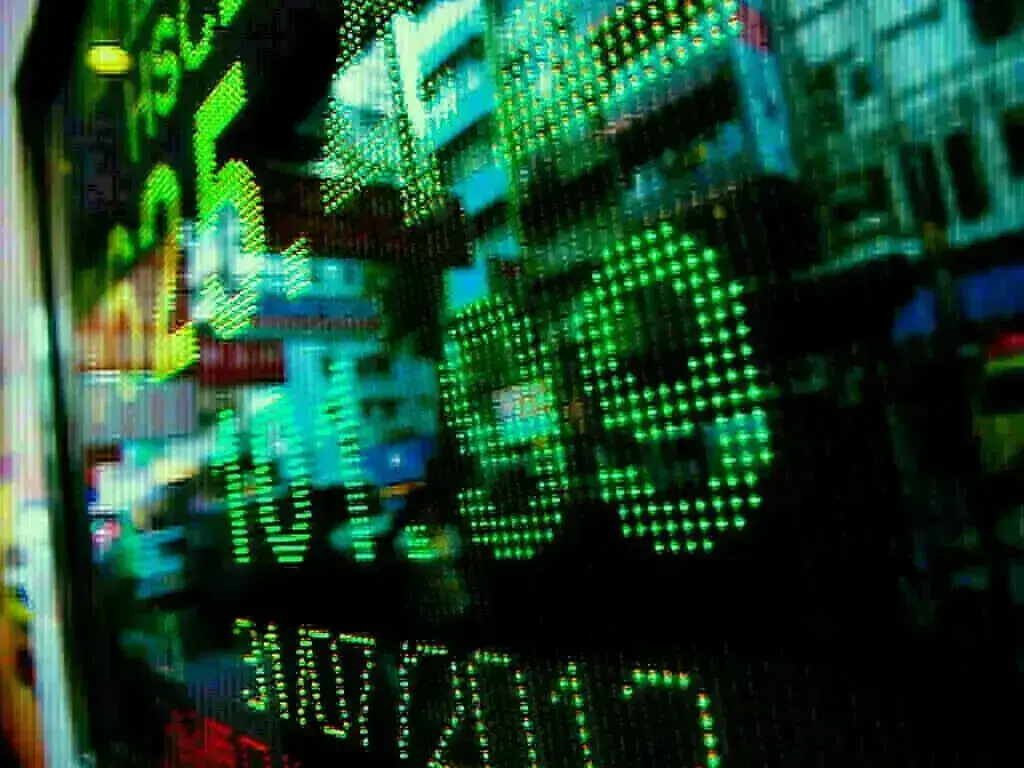
SEOUL: South Korean shares were set to post their biggest yearly jump in more than two decades on a chipmaker rally driven by the global artificial intelligence boom and the new government’s market reforms.
The benchmark KOSPI erased early losses on Tuesday to rise as much as 0.14% to 4,226.36, just short of an all-time high of 4,226.75 hit on November 4.
The index is set to end the last trading day of the year with an annual gain of 76%, the most since 1999.
The KOSPI has been the world’s best performing major stock market in 2025, outpacing gains of 21% in world stocks as well as a 27% increase in the broader Asian market.
“We expect the KOSPI, still undervalued, to be on its own upward trend next year, as favourable external conditions, the semiconductor up-cycle and the government’s policy drive make the it even more attractive,” said Daishin Securities analyst Lee Kyoung-min, who set next year’s target at 5,300.
Since taking office on June 4, President Lee Jae Myung’s administration has introduced various market reforms to address the so-called “Korea Discount”, a tendency towards undervaluation compared with global peers due to opaque governance structures and low dividend payouts.
Lee’s administration introduced revisions to the Commercial Act to better protect minority shareholder’s interests and also seeks an upgrade to developed market status, as South Korea is currently categorised as an emerging market by global index provider Morgan Stanley Capital International (MSCI).
This year’s rally has been driven by heavyweight chipmakers: Samsung Electronics rose as much as 1.4% and peer SK Hynix jumped 3% to both of their all-time highs on Tuesday.
The two chipmakers, accounting for more than 40% of the benchmark index by market capitalisation, are set for gains of more than 120% and 270% on the year, respectively.
Annual exports from Asia’s fourth-largest economy surpassed $700 billion for the first time this year, despite a hit from US President Donald Trump’s tariffs.
Semiconductor shipments surged on AI demand, which analysts expect to remain robust through next year.
Among other sectors, financial groups have risen 70% and securities firms have doubled in 2025 on optimism around the government’s push to boost the stock market.
Citi, which has a target of 5,500 for the KOSPI, forecasts upside of 37% through 2026, the biggest among emerging markets.
It maintained an “overweight” rating for South Korea in a recent report, citing strong earnings growth and continued policy push.
The won has strengthened 2.5% so far this year to 1,436.0 per dollar, set to snap four consecutive years of losses.
It was hovering near its weakest level in more than 16 years until last week, when the government stepped up efforts to stabilise the currency.



















Comments
Comments are closed for this article.