


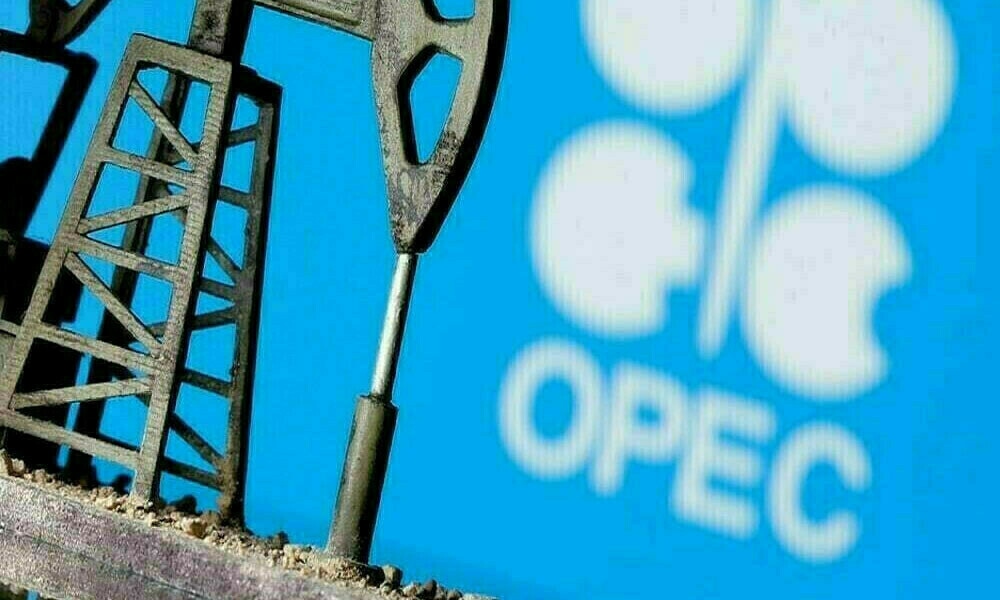

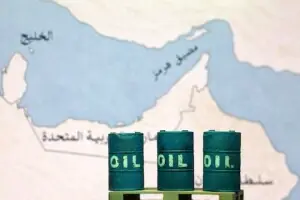
Opec Plus has opted for continuity at a time when the oil market is steadily losing altitude.
The group’s decision to keep output unchanged for the first quarter of 2026 is less about discipline and more about accepting the limits of what supply management can achieve when demand signals are turning soft.
Brent has already shed 15 percent this year and is hovering near the low sixties, a level that would have seemed improbable when the group began releasing barrels back into the market last April.
Since then, roughly 2.9 million barrels per day have been added, yet prices have not responded in the way producers had hoped. The pause in further increases is an acknowledgment that the push to claw back market share was starting to collide with an uncomfortable surplus.
The mood within the alliance reflects a shift from bravado to preservation. Analysts close to the group have framed the decision as a preference for stability over ambition, which is not surprising given how quickly the outlook has deteriorated. The supply cushion remains large and inventories in key consuming regions are moving up rather than down. For OpecPlus, holding steady looks safer than risking another price leg lower by ramping up prematurely.
The geopolitical backdrop adds a layer of uncertainty that makes restraint even more valuable. Washington’s renewed attempt to broker peace between Russia and Ukraine has injected fresh speculation into the oil market. If a deal materializes and sanctions ease, Russian barrels that are currently rerouted or constrained could return to the mainstream market and deepen the supply glut. If talks fail, further sanctions or a tightening of enforcement could reduce Russian flows and swing the balance back in OpecPlus’favour. Either scenario is unpredictable enough for producers to prefer avoiding new commitments until the picture clears.
The group still has a sizeable buffer of voluntary cuts amounting to more than 3.2 million barrels per day. These cuts represent about three percent of global demand and are split between long standing reductions that run until the end of 2026 and the temporary curbs introduced by eight members earlier this year. None of these were touched in the latest meetings, which reinforces the read that the group does not want to risk destabilizing a fragile market.
Where Opec Plus will find no easy consensus is on future capacity and quota baselines. The decision to commission a formal assessment of maximum production capacity between January and September next year is a reminder that behind the public show of unity, quota politics remain the group’s biggest fault line. Countries like the UAE that have invested heavily in boosting capacity want higher baselines. Others with declining output are resisting adjustments that could expose their erosion. Angola’s exit in 2024 over a quota dispute is still fresh and the risk of similar fissures persists.
Meanwhile, the latest US data has only added to the sense of oversupply. Crude, gasoline and distillate inventories rose again last week, underscoring that the market is struggling to absorb available barrels even before any breakthrough in peace negotiations. Prices have nudged up on news that US Russia talks failed to produce a compromise, but the gains are modest because traders know that demand softness and inventory trends matter more than diplomatic soundbites.
For now, the market is drifting, with nervousness amplified by geopolitics and the slow grind of weakening fundamentals. OPEC Plus has chosen to sit still rather than steer aggressively. Whether that proves prudent will depend less on what the group does next and more on what happens in eastern Europe, on the Black Sea and in the inventories that continue to rise across the Atlantic.















Comments
Comments are closed for this article.