


China’s yuan climbs to 13-month high, lifted by Fed cut bets and year-end demand
- The onshore yuan rose to 7.0815 per dollar
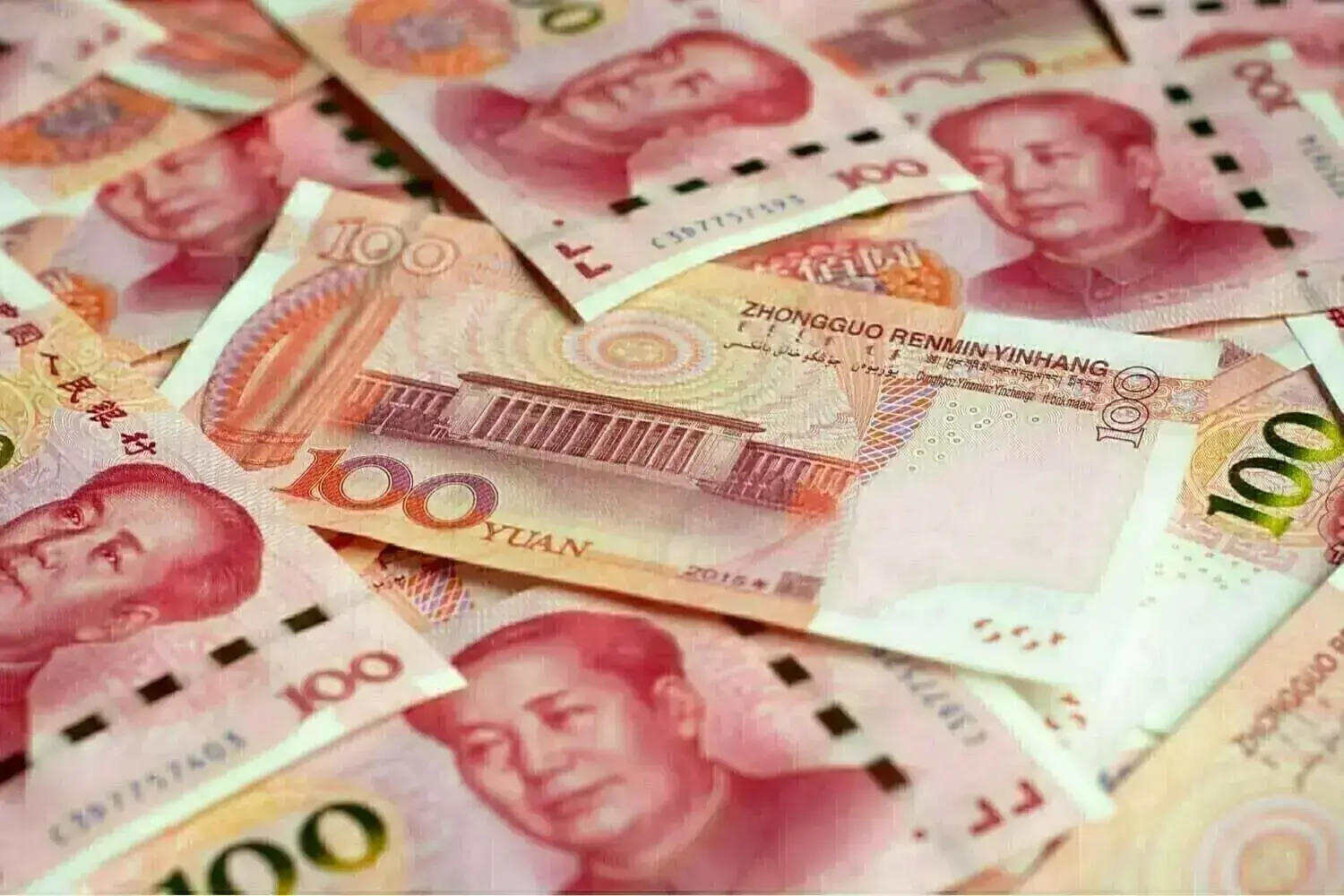

SHANGHAI: China’s yuan climbed for a fourth session to a new 13-month high against the dollar on Wednesday, after the central bank guided the market higher in tandem with a weaker US currency as traders ramped up bets of a Federal Reserve rate cut next month.
The yuan’s strength also reflects higher year-end demand from companies, as they typically settle more of their dollar receipts to fulfil various administrative requirements and pay their employees, traders said.
The onshore yuan rose to 7.0815 per dollar as of 0412 GMT, the highest level since October 14, 2024.
Its offshore counterpart followed suit and tacked on 0.06% to 7.0786 per dollar.
Prior to the market’s opening, the People’s Bank of China (PBOC) set the midpoint rate at 7.0796 per dollar, its strongest since October 14, 2024 and 29 pips firmer than a Reuters’ estimate of 7.0825. The spot yuan is allowed to trade 2% either side of the fixed midpoint each day.
A combination of positive factors – including dovish remarks from Fed officials, a call between top Chinese and US leaders, and hopes for easing Russia-Ukraine tensions – boosted the yuan and supported market sentiment, analysts at China Merchants Bank said in a note.
The pace of gains in the yuan may ease off, “but the overall appreciation trend versus the dollar remains unchanged for the rest of this year,” they said.
They also noted that the one-month dollar/yuan risk reversal , a gauge that measures currency sentiment in the options market, retained its downward trend and suggested markets are expecting further upside for the yuan.
The Chinese currency has shrugged off a trade war, slow growth, rock-bottom interest rates and a slump in foreign investment, to head for its sharpest annual gain since the pandemic year of 2020.
On the domestic front, traders and analysts said they would monitor the upcoming Politburo meeting and the Central Economic Work Conference (CEWC) in December for possible hints on the policy agenda for next year.


























Comments
Comments are closed for this article.