


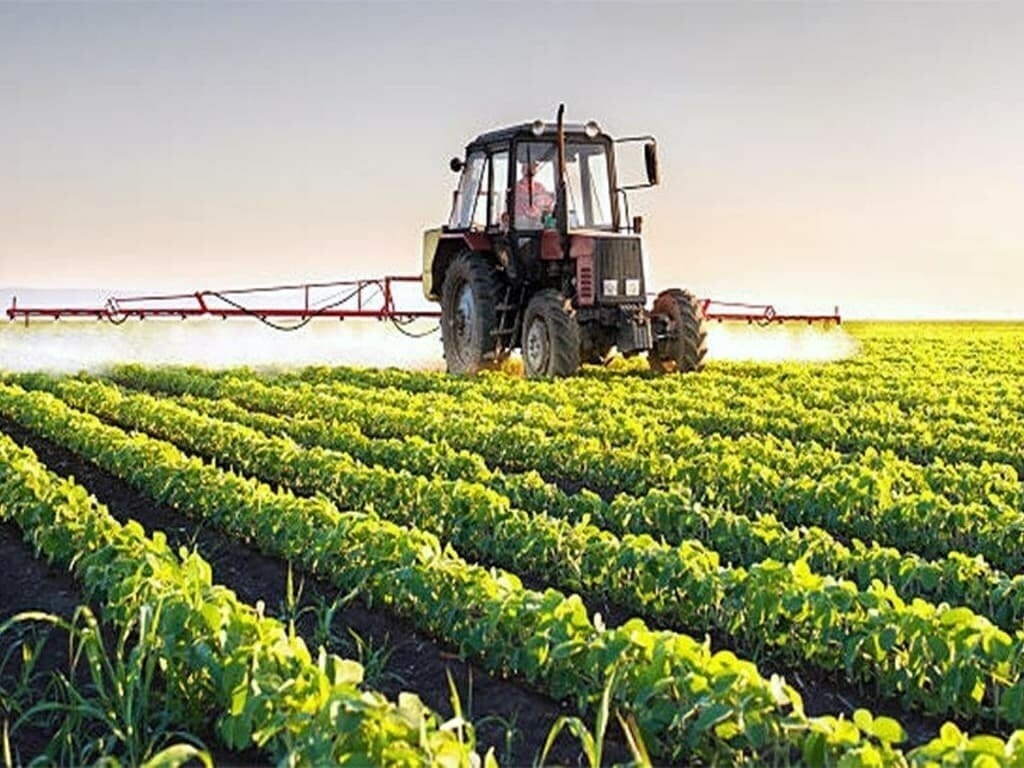

Agriculture across the world is undergoing one of the biggest transitions in its history. For centuries, farming relied heavily on human experience, traditional knowledge, and unpredictable weather conditions. Today, a quiet revolution is reshaping fields, markets, and farming decisions: the rise of Information and Communication Technologies (ICTs). From smartphones to satellite imagery and digital advisory systems, ICTs are becoming powerful tools that help farmers make smarter decisions, reduce losses, and improve their livelihoods.
What makes this transformation remarkable is that it is not limited to advanced economies alone. Even in developing countries where smallholder farmers form the backbone of food production ICTs are steadily reshaping agricultural practices. Whether it is a farmer in Punjab checking crop prices on a mobile app or a grower in Kenya using solar-powered sensors to monitor soil moisture, the impact is becoming visible and meaningful.
Information at farmers’ fingertips
One of the most immediate changes brought by ICTs is the availability of real-time information. Previously, farmers relied on guesswork, neighbours, or local traders for advice. This often resulted in poor timing for planting, harvesting, or selling crops. Today, a simple mobile phone can provide accurate weather forecasts, early warnings about droughts or floods, and step-by-step advisory messages tailored to specific crops.
This shift is especially valuable in regions like South Asia and Africa, where climate variability threatens agricultural stability. A farmer who receives a timely alert about an upcoming heatwave can adjust irrigation plans, protect livestock, or delay fertilizer application. These small decisions, supported by reliable information, significantly improve crop performance and reduce unexpected losses.
Digital advisory services and mobile apps
Over the past decade, hundreds of agricultural mobile apps and platforms have emerged, offering guidance on pest management, fertilization, seed selection, market trends, and even financial planning. Some apps use pictures taken by farmers to identify pests or diseases with reasonable accuracy. Others provide voice messages in local languages for farmers who prefer audio instructions to text.
These advisory tools are making expert knowledge more accessible. Instead of travelling long distances to consult an agronomist or waiting for extension workers who may only visit a village once a season, farmers can access tailored advice anytime. This not only saves time and cost but also empowers farmers to make confident decisions.
Precision agriculture: doing more with less
Precision agriculture, once considered a technology for large, commercial farms, is gradually reaching smallholder farmers. ICTs play a central role by collecting and analysing data that helps farmers use inputs more efficiently. Sensors, drones, and GPS-based tools can measure soil moisture, nutrient levels, and crop health. These technologies help farmers apply the right amount of water, fertilizer, or pesticide exactly where it is needed.
Even simple ICT-based tools like smartphone cameras and location-based apps can support precision farming at a smaller scale. For example, apps that scan leaves for nutrient deficiencies or disease symptoms allow farmers to act early and avoid severe crop damage. As these tools become more affordable, they reduce waste, lower production costs, and improve yields.
Expanding access to markets
ICTs are not limited to production they are also transforming how farmers sell their produce. In many developing countries, farmers traditionally relied on middlemen who offered low prices and controlled market information. Digital platforms are helping farmers bypass inefficiencies by linking them directly with buyers, processors, retailers, and even exporters.
Mobile-based market information systems now provide daily price updates from multiple marketplaces. Farmers can compare prices and decide the best place and time to sell their produce. Some platforms allow farmers to book transportation, access storage facilities, or negotiate prices through online marketplaces. This increased transparency boosts incomes and reduces exploitation.
E-commerce is also entering the agricultural space. In some regions, consumers buy fresh vegetables and fruits directly from farmers through mobile platforms. These new marketing channels create trust and shorten the supply chain, benefiting both farmers and consumers.
Digital finance and insurance
One of the biggest challenges for small farmers has always been access to credit, insurance, and safe financial systems. ICTs are changing this landscape by making digital financial services more widely available. Mobile banking, digital wallets, and branchless banking platforms allow farmers to save money, receive payments, and take out loans without visiting a bank.
ICTs are also improving agricultural insurance. Satellite imagery and weather-based indices help insurers assess risks more accurately, making insurance more affordable for smallholders. In case of crop failure due to drought or floods, payouts can be processed quickly using digital records, reducing long waiting times and paperwork. These financial tools increase farmers’ resilience and help them invest in better seeds, machinery, and technologies.
Strengthening agricultural extension systems
Agricultural extension systems in many countries are overstretched. One extension officer may be responsible for thousands of farmers, making regular field visits nearly impossible. ICTs support these systems by bridging communication gaps. Virtual training sessions, WhatsApp advisory groups, online demonstration videos, and automated SMS messages help extension specialists connect with farmers more effectively.
During emergencies, such as pest outbreaks or extreme weather, ICTs allow rapid dissemination of preventive measures and safety instructions. This quick response can save entire crops and prevent economic losses.
Youth engagement and innovation
ICTs are also playing a key role in attracting young people to agriculture. Traditionally seen as a difficult and low-status occupation, farming is gradually becoming more appealing as digital tools make it more efficient, exciting, and profitable. Young entrepreneurs are developing agricultural apps, drone services, digital marketplaces, and climate-smart solutions that reshape how farming works.
This growing involvement of youth is vital for the future of agriculture. It brings new skills, fresh ideas, and technological innovation to a sector that desperately needs modernization.
The road ahead: challenges and opportunities
Despite these advancements, challenges remain. These are limited internet connectivity, low digital literacy, and the high cost of advanced technologies, slowing down adoption in many regions. Farmers may also struggle to trust digital tools without adequate training or local support. Addressing these barriers requires coordinated efforts from governments, private companies, NGOs, and academic institutions.
However, the opportunity is immense. As ICTs become cheaper and more user-friendly, their impact on agriculture will continue to grow. The combination of mobile connectivity, data analytics, AI, and geospatial tools has the potential to transform farming into a more sustainable, profitable, and climate-resilient sector.
Conclusion
ICTs are no longer optional in agriculture, they are becoming essential. By improving access to information, enhancing decision-making, expanding markets, and enabling financial inclusion, ICTs give farmers the tools they need to navigate a rapidly changing world. For smallholder farmers, especially those in vulnerable regions, digital technologies offer hope for better productivity, reduced risks, and improved livelihoods.
As the world faces rising food demands and increasing climate pressures, ICTs will play a central role in shaping the future of agriculture.
Copyright Business Recorder, 2025
The writer is affiliated with the School of Management, Jiangsu University, P.R. China, and the Department of Agribusiness and Entrepreneurship Development, MNS-University of Agriculture, Multan, Pakistan. Connect with him on LinkedIn: linkedin.com/in/mananaslam




















Comments
Comments are closed for this article.