


Pakistan-Afghanistan talks in Istanbul end in deadlock
- Pakistan presents evidence of cross-border terrorism to mediators Qatar and Türkiye
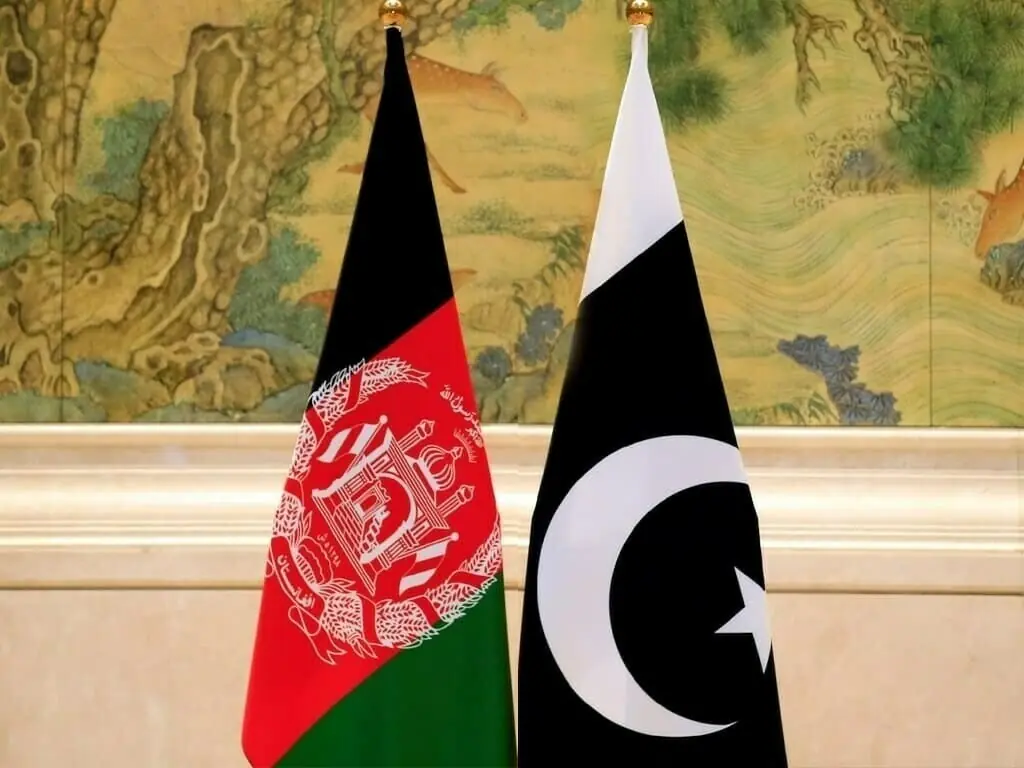

The latest round of talks between Pakistan and Afghanistan, held in Istanbul under the mediation of Qatar and Türkiye, ended in a deadlock as Islamabad reiterated its demand for an end to cross-border terrorism from Afghan soil, Aaj News reported.
According to officials, Pakistan on Friday presented concrete evidence of terrorist activities emanating from Afghanistan to the mediators. Islamabad’s delegation, comprising senior military officials, emphasized that preventing terrorism from Afghan territory remains Pakistan’s foremost demand.
Minister for Information and Broadcasting Attaullah Tarar said Pakistan appreciated the mediation efforts of Türkiye and Qatar, adding that ensuring that Afghan soil is not used against any country is Afghanistan’s responsibility.
He noted that the Taliban administration had failed to fulfill its commitments under the Doha Peace Agreement.
Pakistan rejects Kabul’s border firing claims, urges respect for ceasefire
“Pakistan harbours goodwill towards the Afghan people and wishes for a peaceful future for them, but it will not support any actions of the Taliban government that go against the interests of the Afghan people or neighbouring states,” he said, adding that Islamabad would continue to take all necessary steps to safeguard its citizens.
Earlier, Foreign Office spokesperson Tahir Hussain Andarabi said in his weekly briefing that Pakistan had shared irrefutable evidence and specific demands with the mediators during the Istanbul talks.
“The mediators fully endorsed Pakistan’s stance,” he said, reiterating that Afghan soil must not be used for terrorism against Pakistan.
“Pakistan seeks peace, stability, and cooperation in the region; however, there can be no leniency or compromise on terrorism,” Andarabi stressed.
Pakistan, Afghanistan return to Istanbul for more peace talks
He also addressed the issue of water rights, stating that any violation of the Indus Waters Treaty would not be acceptable.
“Water is a matter of survival for Pakistan, and the country will take all possible measures to protect its water rights,” he said.
The Afghan delegation included Intelligence Chief Abdul Haq Wasiq, Deputy Interior Minister Haji Najib, senior Taliban leader Anas Haqqani, and Doha-based Afghan envoy Suhail Shaheen.
During the talks, both sides discussed the establishment of a verifiable and effective mechanism to curb cross-border militant activities.
Meanwhile, reports indicated that even as the talks were underway, Afghan forces violated the ceasefire along the Chaman border and opened unprovoked fire at Pakistani posts. Pakistani security forces responded effectively and responsibly, controlling the situation.

























Comments
Comments are closed for this article.