


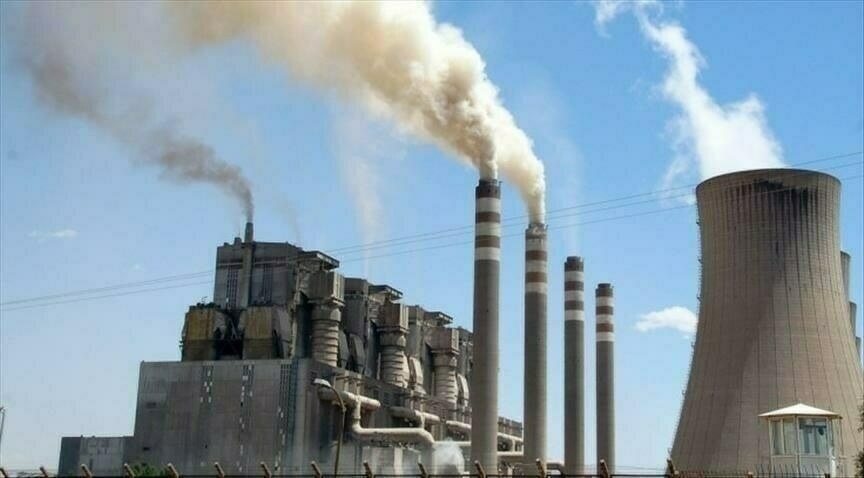

KARACHI: After decades of reliance on imported and local fossil fuels, Pakistan is shifting towards cheaper and cleaner choices. In FY24, shrinking energy supplies and declining consumption defined Pakistan’s energy story. Weak demand and rising fuel costs are driving a gradual move away from fossil fuel dependence.
Economic pressures reshape energy use The Pakistan Energy Market Review (PEMR) 2025 by Renewables First reveals that Pakistan’s primary energy supplies declined for the second consecutive year in FY24, while final energy consumption dropped sharply due to affordability constraints and weaker industrial and agricultural demand.
Crude oil production has dropped by 25 percent past decade, and domestic gas output continues to decline, increasing reliance on expensive imported LNG. Coal consumption is also alling, with most of the remaining demand now being met through local coal instead of imports.
Despite this shift, pressures remain. LNG imports are straining foreign reserves as industries move away from them due to high costs. These imports are now being redirected toward households, adding to already heavy electricity bills. Long-term LNG contracts have also created a surplus at a time when industrial and captive consumption is falling. Together with the rupee’s volatility against the dollar, these factors are adding stress to the energy system.
“LNG served as our fallback fuel, but it is only a temporary bridge,” said Huma Naveed, Data Analyst at Renewables First. “This mismatch between supply and demand calls for planners to integrate the country’s growing use of renewable energy into future energy strategies.”
Gas-sector circular debt has climbed to PKR 3.2 trillion by March 2025, highlighting the urgent need for reforms across the gas supply chain
Solar is offsetting fossil fuel use Pakistan’s energy market is undergoing a consumer-led transformation as the country moves beyond short-term fixes towards a lasting shift from fossil fuels to renewables. Non-fossil energy supplies, including hydel, nuclear, and solar, have grown by nearly 50 percent since FY21, while fossil-based supplies have continued to shrink. Coal’s share in the energy mix is declining, mainly due to market dynamics, as rising costs make it less competitive.
Copyright Business Recorder, 2025




















Comments
Comments are closed for this article.