


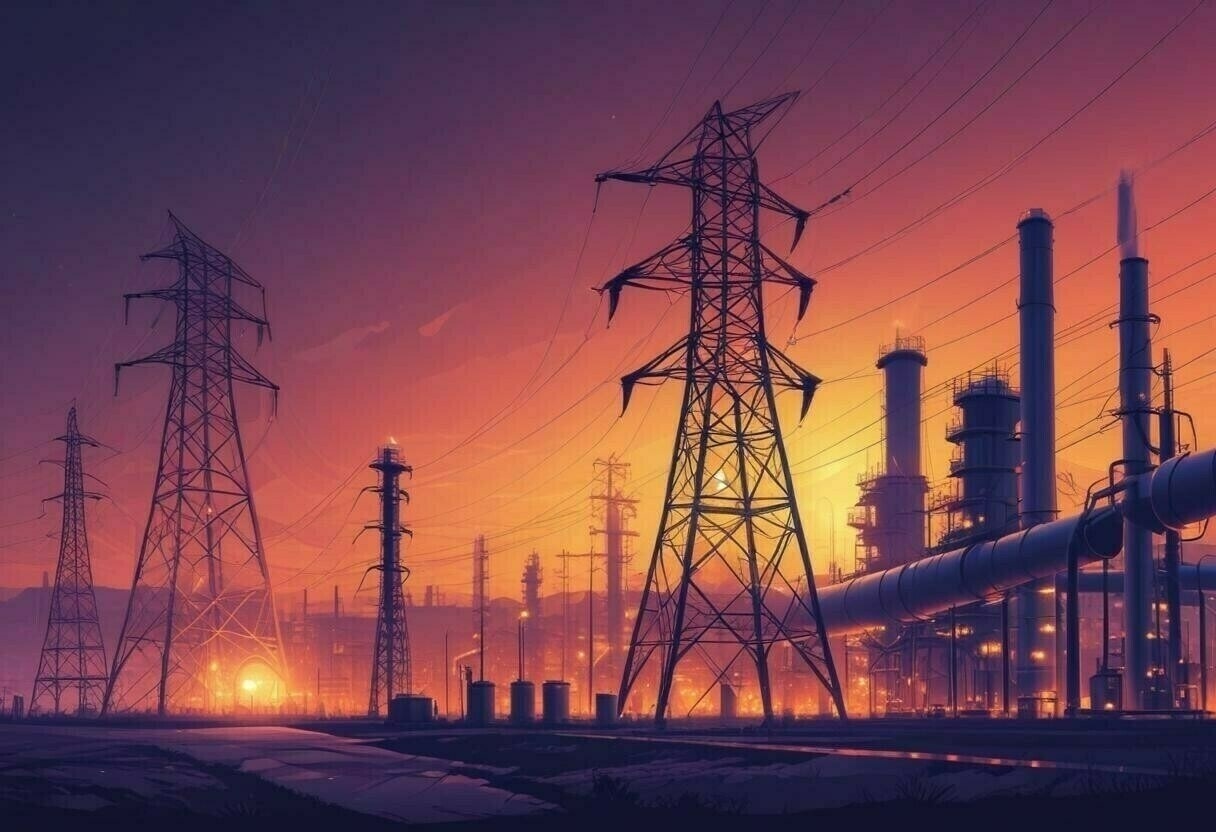
EDITORIAL: Pakistan’s power sector is inching closer to a long-delayed transition from the single-buyer model to the Competitive Trading Bilateral Contracts Market (CTBCM). With the Power Division finally unveiling the auction framework under ISMO, and a first tranche of 800MW wheeling demand identified, the market reform has moved from theory to tentative practice.
But clarity of design and consistency of implementation will determine whether this experiment in liberalisation delivers relief, or merely adds another layer to the existing morass.
For decades, Pakistan’s electricity system has revolved around CPPA-G as the sole buyer of power, contracting with generators under long-term PPAs and reselling to distribution companies. While administratively convenient, this structure has proven fiscally unsustainable, locking in capacity payments, discouraging efficiency, and fuelling the circular debt.
CTBCM, first envisaged in 2017, seeks to dismantle this monopoly by allowing multiple buyers and sellers to contract directly, with ISMO ensuring system integrity and settlement. In theory, such competition can incentivise cost-effective generation, crowd in private investment, and give consumers — especially bulk power users — genuine choice.
The newly announced auction framework is a crucial building block. Notably, hourly generation profiles and hourly marginal costs will now be taken into account for settlement. This shift is a welcome move, as it reflects the true variability of supply and demand rather than smoothing imbalances across the month. If properly implemented, it should improve system efficiency, encourage least-cost dispatch, and open the door for renewables to compete fairly in the market. Transparent bidding, defined eligibility criteria, and streamlined wheeling arrangements can allow industries to source cheaper and cleaner electricity, spurring competitiveness and greening the energy mix.
Yet formidable pitfalls remain. Chief among them is the treatment of stranded costs — legacy capacity built under the single-buyer regime that may go underutilised in a liberalised market. Unless fairly allocated, this risk could re-inflate circular debt or undermine investor confidence. Likewise, the Use of System Charges (UoSC) framework needs greater clarity; accusations of double counting of costs must be addressed if the market is to command credibility. On the demand side, payment recoveries remain weak, and without reforms at the DISCO level, a competitive wholesale market risks being undermined by the same old financial leakages.
The Power Division’s assurance of a commercial go-live by September is welcome, but caution is warranted. Market liberalisation is not a panacea; it requires robust regulation, political will, and technical preparedness. A half-implemented CTBCM risks exacerbating inefficiencies instead of curing them.
For Pakistan, the stakes are high. A transparent and competitive power market can unlock investment, reduce forex-intensive fuel reliance, and empower consumers. But unless stranded costs, tariff rationalisation, and governance reforms move in tandem, CTBCM may remain another acronym in the lexicon of unfulfilled reforms. The coming months will reveal whether policymakers have the resolve to follow through.
Copyright Business Recorder, 2025


















Comments
Comments are closed for this article.