


Israel orders seizure of 187 crypto wallets it links to Iran’s Revolutionary Guards
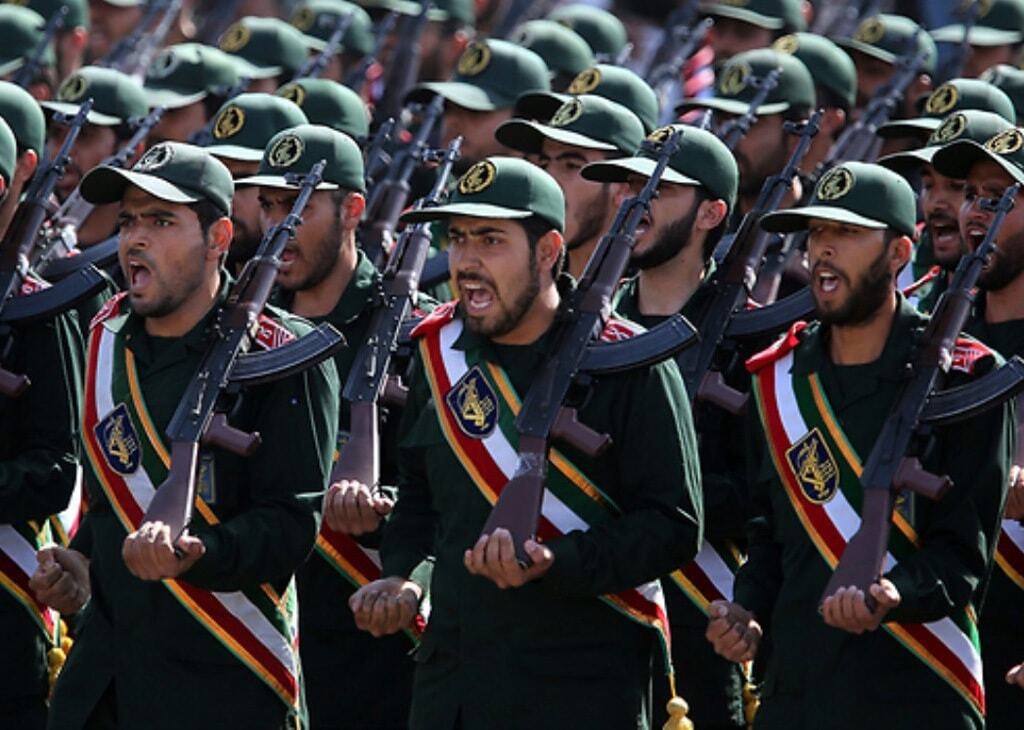
JERUSALEM: Israel’s counter terror financing body has ordered the seizure of 187 crypto wallets it says belong to Iran’s Revolutionary Guards, according to a notice on a government website.
Cryptocurrencies enable people to send money around the world without using the mainstream financial system. The underlying blockchain technology creates a record of transactions where senders and receivers are identified only by their wallet addresses, which are a string of letters and numbers.
Israel’s National Bureau for Counter Terror Financing, part of the country’s defence ministry, did not say how it had identified the wallets or what volume of funds were involved in its seizure order.
Blockchain analysis company Elliptic said on Monday the wallets had previously received $1.5 billion worth of a cryptocurrency called Tether, or USDT.
Elliptic said it was not possible to verify whether the $1.5 billion worth of transactions - which mostly took place in the last 12 months - were directly linked to Iran’s Revolutionary Guards.
“It is not possible to verify whether all of these transactions are directly linked to the IRGC since some of the addresses may be controlled by cryptocurrency services and could be part of wallet infrastructure used to facilitate transactions for many customers,” Elliptic said.
Iran’s Revolutionary Guards’ public relations office did not comment.
The Islamic Revolutionary Guards Corps is separate from Iran’s regular armed forces but considered part of the Iranian state.
Israel has long seen Iran as the biggest threat in the Middle East and accuses it of funding militant operations in the region, which Iran denies.
Elliptic said that, of the 187 wallets, 39 were “blacklisted” by Tether on September 13, meaning that $1.5 million worth of cryptocurrency held by those addresses is frozen.
The remaining wallets have “very little” left in them, said Tom Robinson, co-founder of Elliptic.
A spokesperson for Tether did not comment directly on the seizure order or Elliptic’s findings, but said that “Tether regularly cooperates with numerous law enforcement agencies, including the NBCTF, to freeze illicit funds.”
Regulators and lawmakers around the world have long warned about crypto’s role in illicit finance.





















Comments
Comments are closed for this article.