


Pakistan continues to be among top 10 countries hardest hit by climate change: Dar
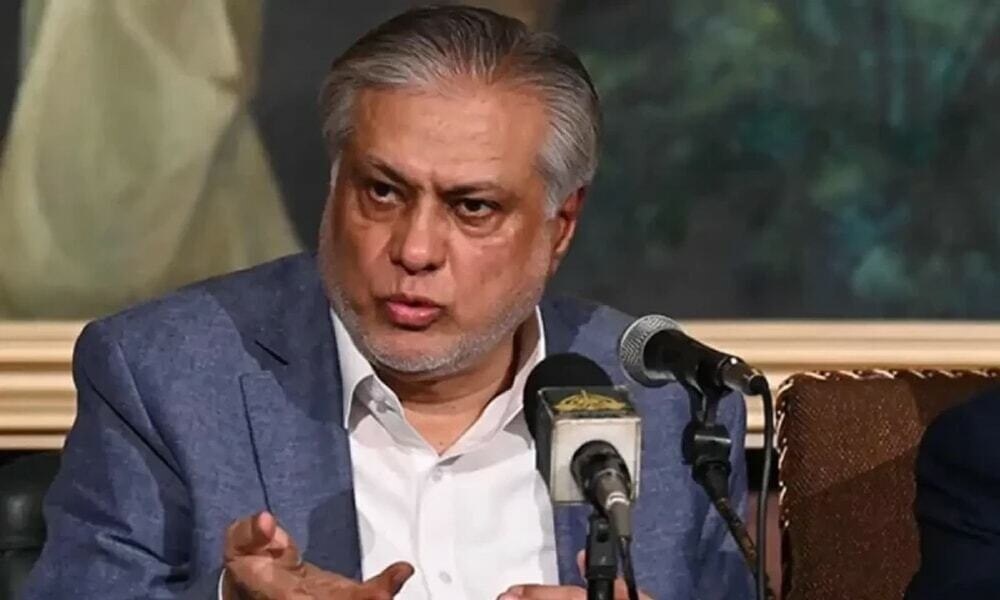
ISLAMABAD: Senator Mohammad Ishaq Dar, Deputy Prime Minister/Foreign Minister, on Monday said it is unfortunate that Pakistan continues to be among the top 10 countries hardest hit by climate change, despite contributing less than one percent to global emissions.
“Pakistan is once again facing the ravages of devastating floods that have displaced millions, inflicted colossal human and economic losses, and pose a serious challenge to our recent gains in achieving sustainable development. But we refuse to remain passive,” he said.
Dar stated this while addressing the Curtain Raiser Ceremony for the upcoming Inter-Parliamentary Speakers’ Conference (ISC) scheduled to be held in November this year. The DPM/FM reaffirmed Pakistan’s commitment to multilateralism, parliamentary diplomacy, and peaceful resolution of disputes in accordance with the principles of the United Nations’ Charter.
“Through our leadership in climate diplomacy and strong advocacy for climate justice, Pakistan is helping to shape the global conversation on this topic. We must also address the existential threat posed to millions worldwide by climate change. We are committed to being a voice for the vulnerable and a driver of collective climate action,” he added.
Dar highlighted Pakistan’s election to the United Nations Security Council for the 2025–2026 term, emphasizing the nation’s leadership in advancing climate justice and its advocacy for reforming the global financial architecture.
He noted that the ISC reflects bipartisan support and serves as a vital platform for dialogue, trust-building, and cooperation between the executive and legislative branches.
Today, he emphasized humanity faces numerous interlinked crises, threatening international peace and security, economic stability, and sustainable development. Long-standing unresolved disputes - from Kashmir to Palestine - continue to pose a threat to regional and international peace and security.
There is an increasing tendency towards resorting to unilateralism and defiance of the UN Charter. We are witnessing the adverse impacts of climate change and climate-induced disasters as we speak. The structural deficiencies in the international financial system are aggravating global inequalities and poverty, and undermining our developmental goals, he pointed out.
Parliamentary diplomacy, in the form of the Inter-Parliamentary Speakers’ Conference (ISC), can play an important role in this regard by promoting dialogue, mutual respect, and engagement. Dar highlighted, “Such initiatives reflect Pakistan’s broader foreign policy, which is rooted in the principles of the UN Charter, sovereign equality of states, non-interference, right to self-determination, and the peaceful settlement of disputes.”
Copyright Business Recorder, 2025


















Comments
Comments are closed for this article.