


‘Engaging women in entrepreneurship is smart economics’
- By scaling digital inclusion, Pakistan can integrate millions of women entrepreneurs into the formal economy, experts say
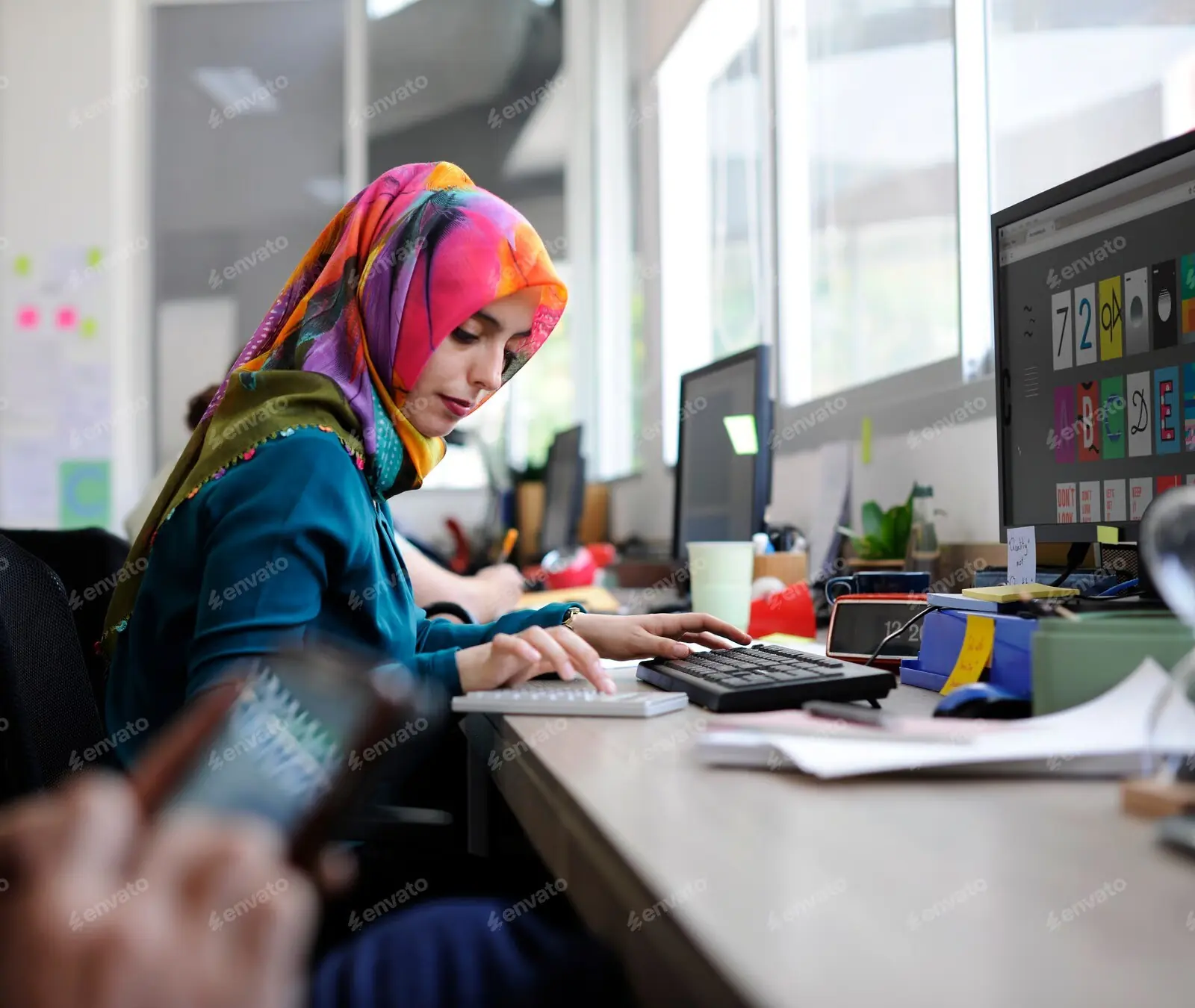

Empowering women’s entrepreneurship can explore and harness the untapped engine of Pakistan’s economic growth, experts say.
Speaking to Business Recorder, they said that with women comprising nearly half of Pakistan’s population, the country stands at a crossroads: continue with an underutilized workforce or unleash a powerful driver of economic growth through women’s entrepreneurship.
They said female labour force participation hovers at around 24.5%, barely half the global average of 51%, while men’s participation stand near 81%, reflecting one of the widest gender gaps in the world. Only about 1% of Pakistani women are engaged in entrepreneurial activity—among the lowest in South Asia—compared to men, who are nearly three times more likely to start and run businesses.
Engaging women in entrepreneurship is not just a matter of equity; it is smart economics, with the potential to boost GDP by up to 30%.
“Women’s entrepreneurship is not just a matter of gender equality—it’s an economic imperative,” said Dr Subeika Rizvi, a leading academic and advocate for financial inclusion.
She said government bodies such as the State Bank of Pakistan (SBP), Small and Medium Enterprises Development Authority (SMEDA), and chambers and bodies of traders and industrialists have initiated concessional loans, incubation centers, and women-led expos.
But efforts must be scaled, especially for rural women. International agencies have offered seed funding, mentorship, and digital tools, yet barriers like mobility restrictions, societal norms, and weak networks remain.
Dr Rizvi’s work directly tackles these issues; with a PhD in Women’s Entrepreneurship—drawing on historical figures like Hazrat Khadija (RA) and modern models—she has pioneered digital financial literacy programs, women-focused incubation strategies, and capacity-building workshops adopted by universities, chambers, and NGOs.
She has made a measurable impact through training and capacity-building programs for women in underprivileged areas, equipping them with financial literacy, digital competencies, and the entrepreneurial mindset necessary for economic independence and community upliftment.
She urges academia to move from passive instruction to active enablement through entrepreneurship training, financial literacy, and digital skills, creating a generation of women who not only dream but execute their business ideas with confidence. Her blueprint offers a scalable model for economic transformation in Pakistan and beyond.
Women can help Pakistan generate billions
Talking to Business Recorder, CEO Datavault and member at the Forbes Technology Council Mehwish Salman Ali said women-led businesses represent less than 5 per cent of registered enterprises in Pakistan. Pakistan has one of the lowest female labor force participation rates in South Asia at around 21 per cent.
“Unlocking women’s entrepreneurship is not about charity; it is about growth. If even one-third of our women-led microbusinesses scale to small enterprises, Pakistan could generate billions in new value creation. What is needed is easier credit access, mentoring networks, and fair digital visibility so women can build scalable businesses,” she said.
According to her, digital platforms can become a bridge between women entrepreneurs and economic opportunity. Mobile money and digital wallets have already shown promise, with over 60 million active accounts in Pakistan, yet only a small fraction are owned by women.
Expanding women’s access to mobile banking, e-commerce marketplaces, and online credit scoring can lower traditional barriers. If supported with training and trust-building, these platforms can allow women to transact, save, and borrow without dependence on physical intermediaries. By scaling digital inclusion, Pakistan can integrate millions of women entrepreneurs into the formal economy and unlock sustainable, broad-based economic growth.
Meanwhile, President and CEO Pakistan Institute of Entrepreneurship and Chairman Computer Society of Pakistan Tahir Mahmood Chaudhry said that as Pakistan’s entrepreneurial landscape evolves, digital platforms are emerging as powerful tools to bridge the financial inclusion gap for women entrepreneurs, who despite contributing significantly to local economies still face limited access to financial services, investment opportunities, and business networks due to structural, cultural, and informational barriers.
Chaudhry said digital platforms such as DigiSkills.pk, JazzCash, and Easypaisa have already demonstrated transformative potential by enabling women to access digital payments, participate in e-commerce, and receive online training in business and financial management—allowing them to bypass traditional constraints, connect with customers directly, and manage finances efficiently.
He said by leveraging evidence-based research alongside technology-driven interventions, Pakistan can create a comprehensive framework that not only empowers women entrepreneurs and drives sustainable business growth but also strengthens the nation’s economic resilience in the global market.




















Comments
Comments are closed for this article.