


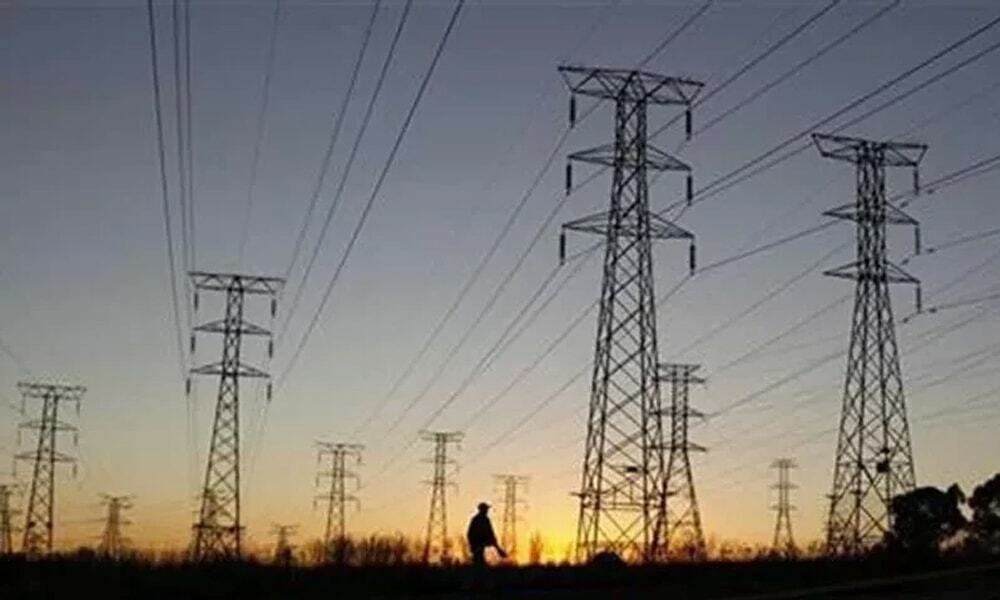

Pakistan’s energy landscape is a riddle that shouldn’t exist. On paper, the country has enough installed capacity to keep every home lit, every shop open, and every factory humming. Yet, each year, the familiar pattern returns: the power flickers, the fans grind to a halt, and industries slow to a crawl while the bills keep climbing.
At the center of it all sits the so-called “circular debt”, a term we’ve repeated so often it risks sounding harmless. In truth, it’s a chain of unpaid obligations that stretches from power distributors to generators and fuel suppliers. When the first payment is missed, the dominoes fall, and the entire machine begins to stall.
The real damage starts at distribution. Many state-run DISCOs are chronically behind in bill recovery. In some areas, their collection rates are so poor that even basic running costs can’t be covered. Those shortfalls pass straight to the Central Power Purchasing Agency, which then delays payments to generation companies and Independent Power Producers.
Fuel suppliers wait months for dues, plants scale down operations, and even fully functional capacity sits unused. It’s a vicious loop where inefficiency is quietly absorbed while efficiency brings little reward.
The financial weight of this is hard to ignore. In the last fiscal year, Pakistan spent close to PKR 1.9 trillion just on capacity charges; the money was paid to keep plants on standby regardless of whether their electricity was needed. Installed capacity already overshoots peak demand, but the outages continue in both rural and urban areas. The IGCEP 2024–34 promised to bring more renewables into the mix, but progress is crawling.
Policy bottlenecks, regulatory indecision, and a shortage of skilled manpower have left that promise half-fulfilled. It’s telling that Pakistan ranks near the bottom 113th out of about 120 countries on the Energy Transition Index, with a readiness score that barely scratches 34.
More capacity will not save us. The real challenge is to make better use of what’s already in place. That means returning to long-range, integrated planning something we haven’t seriously done since the 1980s. Instead, we’ve relied on piecemeal expansion: the wrong fuel mix here, a stranded power plant there, transmission lines unable to carry electricity from surplus areas to deficit zones.
A competitive electricity market would change the incentives. Remove the red tape around wheeling and net metering, and you’d see industries in Faisalabad or Karachi feeding surplus power back into the grid. That would not just relieve the national system but also create a culture where electricity is both produced and consumed more wisely.
Money management is equally urgent. The current system of blanket subsidies and uniform tariffs hides waste and shields inefficiency. Shifting to region-based tariffs would force each DISCO to confront its own losses, instead of passing them on to the national pool.
Ending untargeted subsidies could free up funds for two crucial priorities: shielding low-income households from energy poverty and upgrading the ageing transmission and distribution network. And we must stop shoving circular debt into the next fiscal year. That habit only delays the reckoning, ensuring the problem returns in an even worse form.
Governance, of course, runs through every part of this crisis. Political meddling and patronage hiring have drained the sector of technical skill. Without merit-based appointments, performance-linked contracts, and clear accountability, the best plans will crumble in execution. Regulators like NEPRA must have the independence to enforce contracts, adjust tariffs promptly, and fine chronic defaulters without political vetoes.
Technology could be the quiet fix that changes the rules. Rolling out smart meters across the country would make billing more accurate, cut theft, and replace crude, revenue-based load shedding with data-driven targeting. It would also reassure paying customers that they won’t be punished for the defaults of others; a small but vital shift in public trust.
The truth is Pakistan’s energy crisis is not about generating more megawatts; it’s about governing them better. Without reform, the sector will keep draining the treasury, discouraging investors, and holding back industrial growth. The energy grid should be treated as the backbone of economic stability, not as a political display piece.
If we plan over decades rather than months, open the market to competition, target subsidies, modernize the grid, and professionalize management, we can turn surplus capacity into a real competitive advantage.
The alternative is familiar: spiraling debt, idle plants, wasted resources, and another year of missed opportunities. We already have the machinery to power the future but machinery without direction is just metal, waiting for the will to make it work.
Copyright Business Recorder, 2025
The writer is an Assistant Chief (Policy) at the Pakistan Institute of Development Economics (PIDE). She can be reached via Email at: [email protected]















Comments
Comments are closed for this article.