


Reciprocal tariff: Pakistan officials to meet Trump administration, Bloomberg reports
- State Department spokesperson says she will attend the meeting
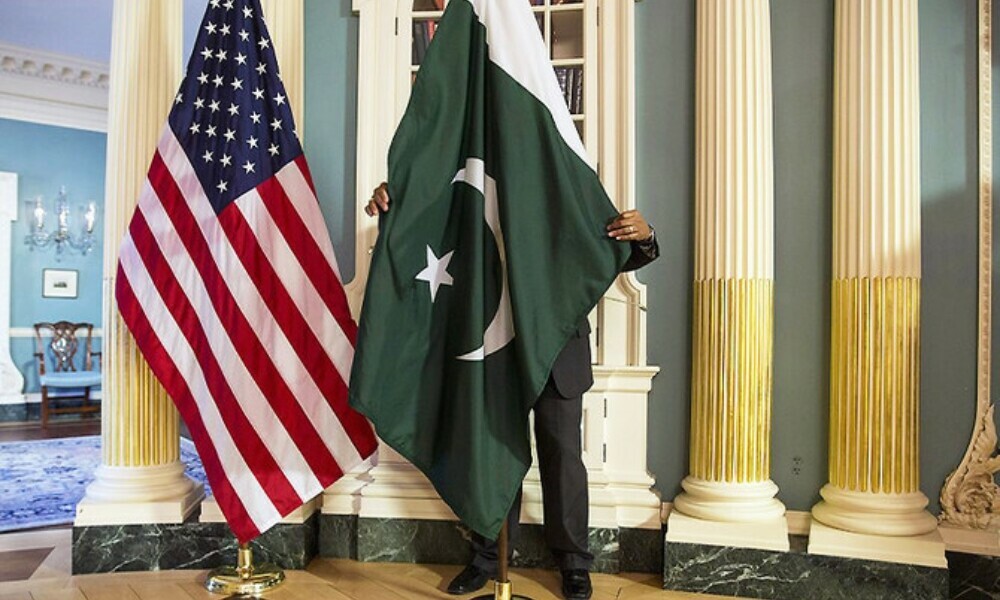

A Pakistani delegation will soon meet the administration of US President Donald Trump in a bid to reach an agreement on a trade deal, Bloomberg quoted US State Department Spokesperson Tammy Bruce as saying.
In a US Department of State press briefing a day ago, Bruce said she will attend the meeting between the Pakistani delegation and US officials.
Deputy Prime Minister and Foreign Minister Senator Mohammad Ishaq Dar is currently visiting the United States to attend high-level signature events of Pakistan’s UN Security Council (UNSC) presidency in New York, as well as for important bilateral engagements in Washington, as per the Foreign Office (FO).
Islamabad is looking forward to the 29% reciprocal tariffs to be lifted that the Trump administration levied initially, Bloomberg said. The South Asian country has proposed to increase imports of soybeans and cotton, while it already is the second-largest buyer of US cotton by value, after China. Whereas, Pakistan’s biggest export destination is the United States.
Bilateral ties between Pakistan and US have improved in recent times, with Trump’s holding a rare meeting with Field Marshal Asim Munir at the White House.
The FO stated on July 19 that FM Dar’s visit is an indication of Pakistan’s increasing importance in both its relations with the US and the global landscape.
Aurangzeb meets US Secy Commerce
Moreover, in order to complete a trade agreement, Finance Minister Muhammad Aurangzeb has also visited the United States and met with US Secretary of Commerce Howard Lutnick and US Trade Representative Jamieson Greer in Washington recently to advance economic cooperation, as per the Ministry of Finance.
Reuters last week reported that the negotiations, focused on reciprocal tariffs, are part of a broader push to reset economic ties at a time of shifting geopolitical alignments and Pakistan’s efforts to avoid steep US duties on exports.






















Comments
Comments are closed for this article.