


Around 3m bales of cotton arrive at ginning factories
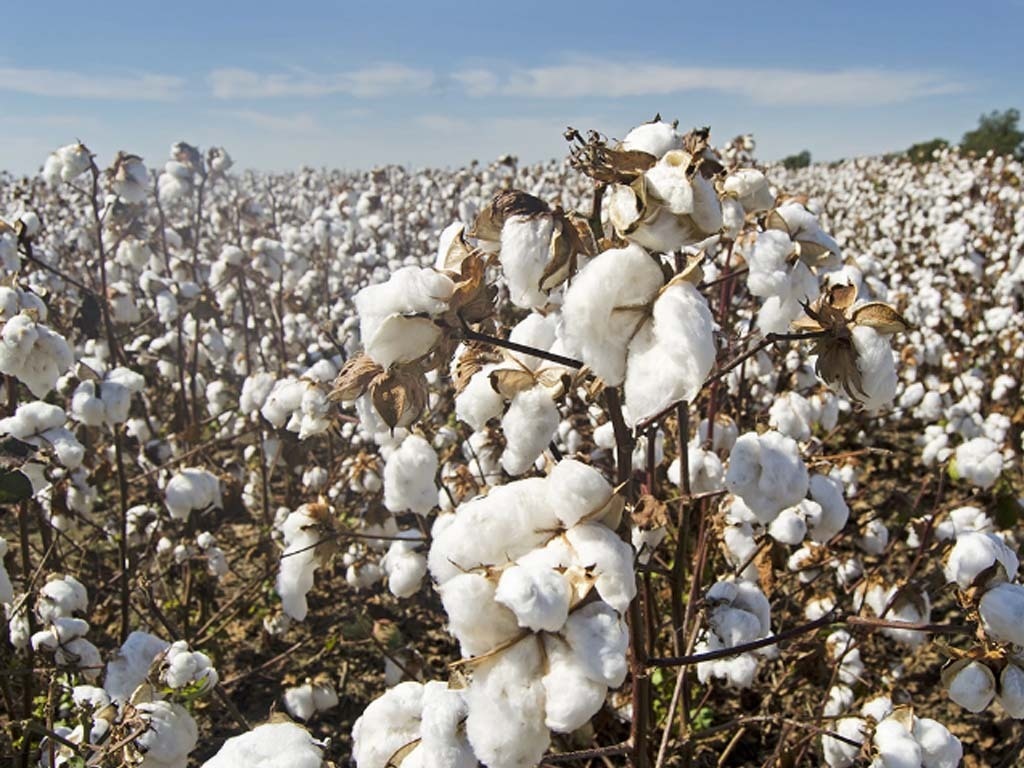

LAHORE: The current state of cotton crops in the country has become a major cause for concern.
According to a report released today by the Pakistan Cotton Ginners Association (PCGA), covering data up to July 15, 2025, only 297,751 cotton bales have arrived at ginning factories across the country. This marks a significant drop compared to the 442,041 bales received by the same date last year, reflecting a decline of over 32%. This sharp reduction poses a serious threat to the national economy and the textile industry.
Punjab’s situation appears relatively better, with 145,101 bales received so far, showing an increase of nearly 27% compared to the same period last year. Several districts in Punjab have reported improved yields, including Khanewal (28,825 bales), Vehari (33,950 bales), Dera Ghazi Khan (19,397 bales), and Rajanpur (9,200 bales), all indicating notable growth.
Similarly, Multan (3,700 bales), Faisalabad (3,037 bales), and Layyah (3,970 bales) have contributed to the supply. However, Rahim Yar Khan recorded a drastic decline, receiving only 15 bales—a drop of over 99% compared to last year.
Sindh’s overall performance remains alarming, with only 152,650 bales reported this year against 327,666 bales during the same period last year, marking a decline of over 53%. Sanghar, the largest contributor, supplied 130,037 bales, though this is less than half of last year’s figures.
Other districts, including Mirpur Khas (5,100 bales), Nawabshah (1,100 bales), and Jamshoro (1,500 bales), reported minimal arrivals, while several districts failed to report any bales, highlighting a deepening crisis.
Balochistan’s output is also unsatisfactory, with only 5,100 bales received so far, down from 11,200 bales last year—a decline of over 54%. Head Transfer of Technology Central Cotton Research Institute Multan Sajid Mahmood told Business Recorder that overall, while Punjab shows some improvement in cotton production, Sindh’s drastic shortfall has severely impacted the country’s total output. Factors such as water scarcity, poor seed quality, pest infestations, and extreme weather have damaged crops in Sindh.
In a positive development, the recent agreement between the Pakistan Cotton Central Committee (PCCC) and the All Pakistan Textile Mills Association (APTMA)—facilitated by the Ministry of National Food Security and Research—has seen textile mills committing to clear long-pending cotton cess dues.
If implemented promptly and in good faith, this agreement could not only revive research initiatives but also stabilize future cotton production, ensuring long-term benefits for the sector.
While, commenting on the report cotton analyst Naseem Usman told Business Recorder that during the fiscal year 2024-25, Pakistan imported 65 lac bales of cotton, each weighing 155 kg. So far in the current fiscal year, 2025-26, imports have risen sharply to 75 lac bales, valued at approximately $2.5 billion.
Usman also noted that edible oil worth $1 billion has been imported during the same period. Additionally, under the Export Facilitation Scheme, imports of linen and cloth have exceeded $1 billion. These figures reflect growing demand and trade activity in key commodity sectors.
Copyright Business Recorder, 2025




















Comments
Comments are closed for this article.