


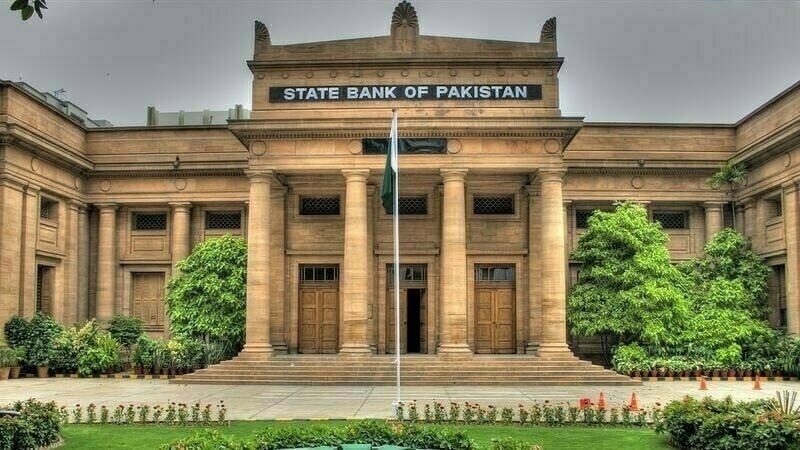
SBP’s foreign exchange reserves are growing — and that is comforting news. According to the central bank, reserves reached $14.5 billion by the end of June, surpassing the IMF’s target of $13.9 billion and exceeding even the Governor’s own projections.
The hard work is paying off. SBP has been persistent in buying dollars from the interbank market, and now, finally, the international commercial financing channel has reopened. The next move is to tap into the international bond market — starting with the Panda bond, followed by a Eurobond issuance.
SBP’s reserves increased by $5.1 billion in FY25, reaching $14.5 billion. This is primarily due to its active dollar purchases from the interbank market — $6.2 billion during the first nine months of FY25, as per SBP data. A portion of these dollars was used to service government debt (both principal and interest), while the remainder was added to the reserves.
However, despite all this buying — which drained liquidity from the interbank market and suppressed imports, curbing economic growth — SBP’s reserves had dropped to $9.1 billion just ten days before the fiscal year-end. BR Research spoke to the Governor at the time, and he confidently projected a recovery to $14 billion. He not only met the target but surpassed it.
The Finance Ministry also deserves credit. It secured timely Chinese rollovers and, crucially, reentered the international commercial loan market after a lull of 2–3 years. That is the breakthrough the government had been eyeing. A $1 billion loan was secured from Dubai Islamic Bank, with Standard Chartered acting as co-advisor. Market sources suggest the interest rate is around 7.3 percent, while ministry officials claim it is slightly below 7 percent, citing last-minute improvements in terms. Either way, a rate of 7.3 percent is an achievement — anything better is a bonus.
The remainder of the inflows includes various Chinese rollovers, which, according to the Finance Ministry, came with no change in interest rates.
The IMF’s target for FY26 is to reach $17.7 billion in reserves. Neither the government nor SBP can afford complacency. The central bank must continue extracting dollar surpluses from banks in the interbank market. This strategy helps prevent import-led demand from surging and keeps the current account in surplus — though it may also keep the 4.2 percent GDP growth target out of reach.
Still, reserve buildup alone will not be enough to restore investor confidence. Reopening the international debt capital market is essential — and for that, improved credit ratings are crucial. The Finance Ministry is reportedly engaging with Fitch and Moody’s to either upgrade Pakistan’s rating or at least improve its outlook, using the $14.5 billion reserves as a key argument.
If successful, the plan is to raise $200–250 million through a Panda bond in China. In the second half of FY26, the ministry aims to issue a Eurobond. There is still a long way to go, and the road ahead remains bumpy. Fingers crossed.

















Comments
Comments are closed for this article.