


Indian rupee ends at record closing low amid Mideast tensions, likely central bank support aids
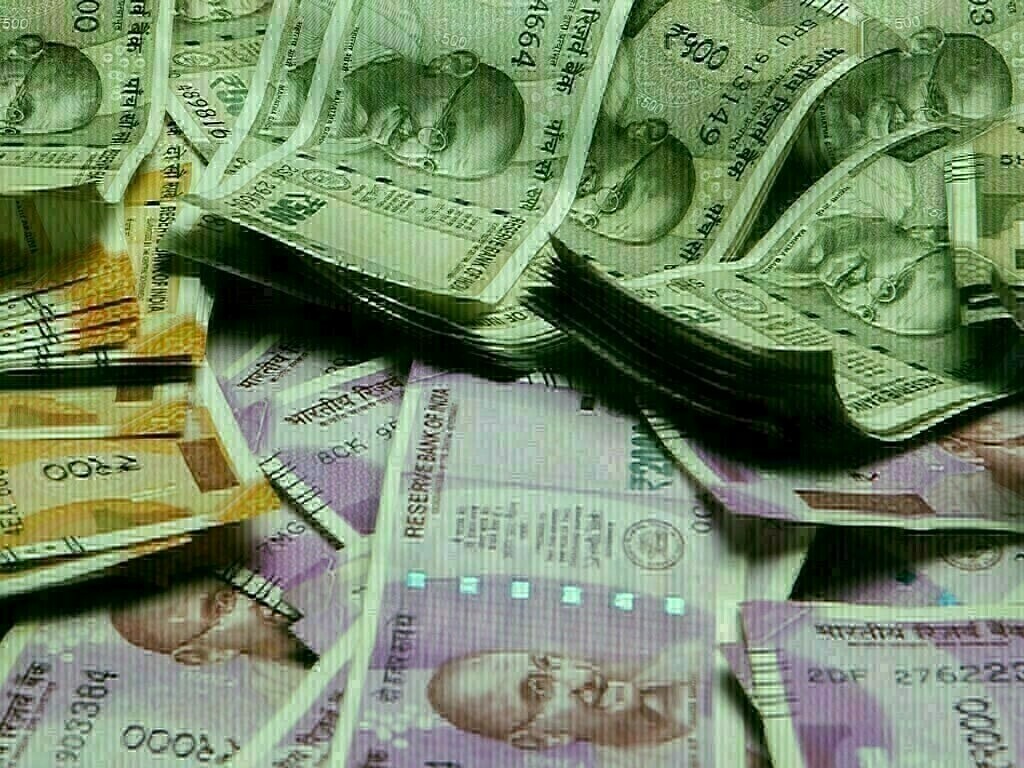

MUMBAI: The Indian rupee fell to its weakest closing level on record on Monday as rising Middle East tensions weighed on Asian currencies and risk assets but potential dollar sales by the Reserve Bank of India helped curb the local unit’s losses.
The rupee ended at 83.4500 per U.S. dollar compared with 83.4125 at close on Friday. The domestic currency had touched its lifetime low of 83.4550 earlier this month.
“Foreign inflows have been robust, which is helping… while the central bank has also been actively intervening in the markets to curb volatility in the local unit,” said Sugandha Sachdeva, founder of SS WealthStreet, a New Delhi-based research firm.
Indian rupee weakens tracking most Asian peers, forward premiums decline
However, if the situation in the Middle East deteriorates, there could be “increased pressure” on the rupee, she said, adding that the outlook for the domestic unit hinges “significantly” on Israel’s response to the recent attack by Iran.
Asian currencies were mostly lower following Iran’s retaliatory attack on Israel over the weekend. The war in Gaza, which Israel invaded after an attack by Hamas on Oct. 7, has ratcheted up tensions in the region.
The dollar index, which measures the greenback against a basket of six major currencies, was trading near 106.
Apart from the crisis in the Middle East, investors will be eyeing movement in U.S. Treasury yields.
The 10-year U.S. Treasury yield inched higher amid changing Federal Reserve policy expectations after higher-than-expected U.S. inflation data. Investors now see only about two rate cuts this year.
“We no longer think policymakers will gain the confidence they (Fed) need to start cutting in June, or even at the following three meetings, absent clear signs of labour market deterioration,” BofA Securities said in a note.
“We now expect the Fed to start cutting rates in December.”


















Comments
Comments are closed for this article.