



JOHANNESBURG: The South African rand was stable in early trade on Friday, after tumbling over 6% this week on concerns over global economic growth amid an escalation in risk-off sentiment. At 0720 GMT, the rand traded at 18.7025 against the dollar , not far from its previous close of 18.6850.
The dollar last traded at 102.51, around 0.06% stronger against a basket of global currencies. The rand slumped this week after rating agency Fitch on Tuesday downgraded the United States from AAA to AA+, fuelling risk-off sentiment and putting pressure on emerging market currencies.
Anezka Christovova, an emerging markets strategist at JP Morgan, on Thursday said further rand weakness was expected after the South African currency deviated from normal drivers.
The rand had performed well on reduced intensity in rolling blackouts in June, which drove the market to price out idiosyncratic risks, Christovova added.
South African rand edges lower after tumble on Chinese data
However, the power cuts, locally referred to as “loadshedding”, increased in intensity in July. “We believe there is a substantial element of ‘noise’ and ‘luck’ in month-on-month performance, with July’s intensity of loadshedding reversing closer to trends,” Christovova said.
“Our economist expects a more sustained improvement in energy availability only in H2 2024.” Local and global investors alike will turn their focus towards US payroll data due later on Friday for signs on the health of the world’s biggest economy, which could move the rand in the absence of local data points.
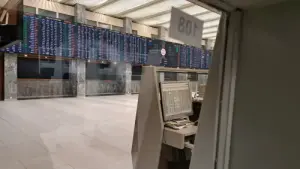
Shares on the Johannesburg Stock Exchange were slightly stronger in early trade, with both the blue-chip Top 40 and broader all-share indexes up over 0.1%.
South Africa’s benchmark 2030 government bond was marginally weaker in early deals, with the yield up 1 basis point to 10.450%.






















Comments
Comments are closed for this article.